You feel it fast with a rower. Ten minutes in, your legs are working, your back is engaged, your heart rate is climbing, and the workout feels more athletic than just jogging in place. That is why a solid rowing machine review matters – this is one of the few home cardio options that can genuinely pull double duty for conditioning and full-body training.
The catch is that not every rower feels good to use, and the differences are bigger than they look on a product page. Some machines are smooth and quiet enough for early-morning sessions in an apartment. Others are better for hard intervals, heavier users, or taller athletes who need more rail length and stronger build quality. If you want better results and fewer regrets, you need to look past the headline specs.
What actually matters in a rowing machine review
The first thing most shoppers notice is resistance type, and that is a smart place to start. Air rowers usually feel the most natural for intense training because resistance increases as you pull harder. They are a favorite for HIIT, performance work, and anyone who wants that gym-style rowing feel. The trade-off is noise. If your schedule starts before the rest of the house wakes up, air resistance may feel less like a win.
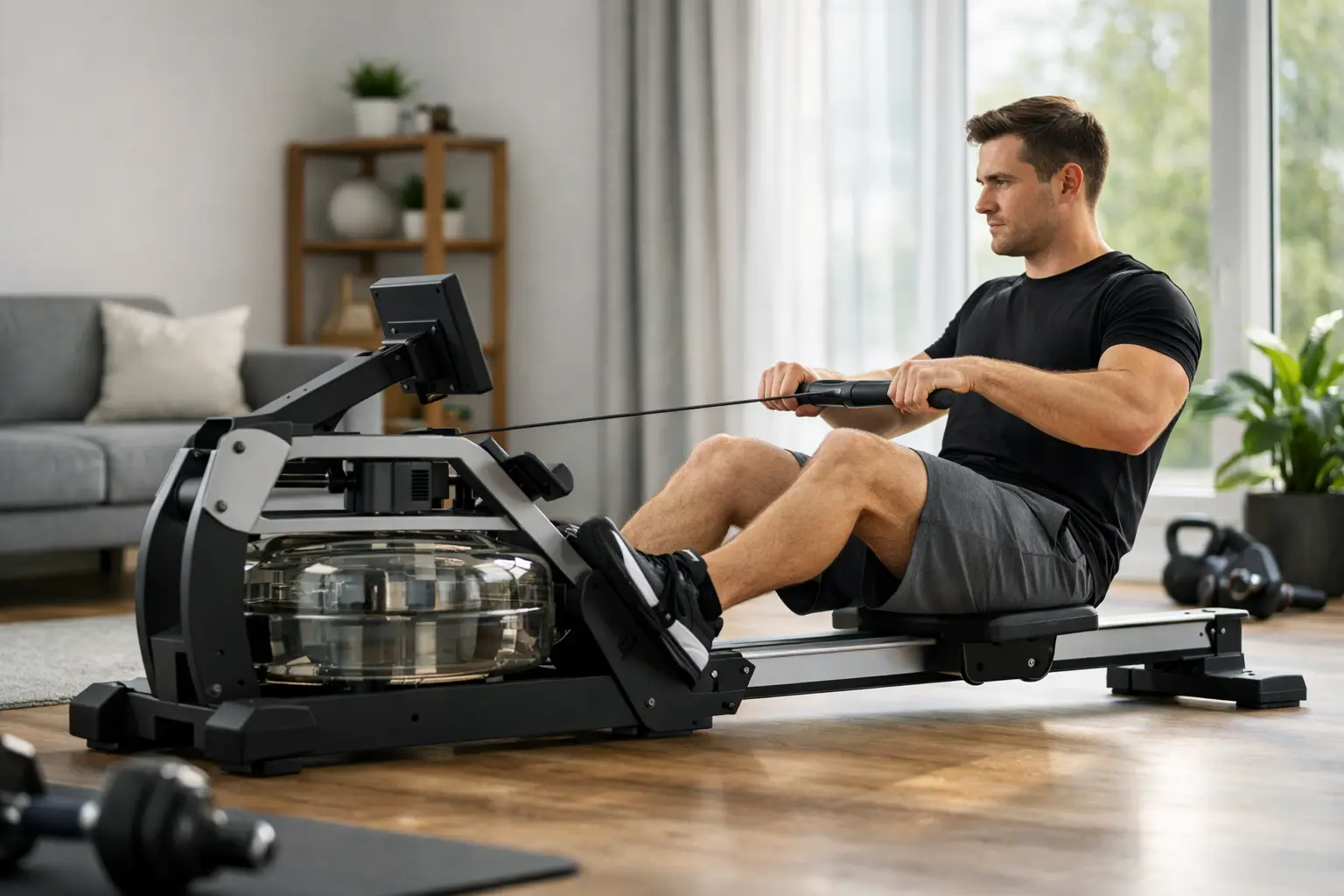
Magnetic rowers are quieter and often more living-space friendly. They tend to work well for beginners, steady-state cardio, and people who want a smoother, more controlled stroke. The downside is that some lower-end models can feel less dynamic, especially if you are used to athletic rowing. Water rowers sit somewhere in the middle on the experience side. They often deliver a pleasing, fluid stroke and a more premium feel, but they can cost more and take a bit more attention when it comes to setup and maintenance.
That resistance decision should match your real routine, not your best-case fantasy. If you train hard and like pushing pace, air or water may be worth the extra spend. If convenience keeps you consistent, magnetic often makes more sense.
Build quality changes everything
A rower can have flashy metrics, app compatibility, and a good-looking frame, then still disappoint if the basic construction is weak. Stability matters more than people expect. During hard intervals, a shaky machine turns an effective workout into an annoying one.
Look closely at weight capacity, rail strength, and overall frame design. Heavier users or stronger pullers should not treat those numbers as filler. A machine that technically supports your weight is not always the same as one that feels planted under load. If you are buying for long-term use, a sturdier frame usually gives you a better return than extra digital features.
Seat glide is another make-or-break detail. Cheap rowers often feel rough here, and that gets old quickly. The best machines make the stroke feel connected from leg drive to finish. If the seat sticks, wobbles, or gets loud, your workouts start feeling longer in the worst way.
Comfort is not a bonus feature
People often shop rowers by resistance and price, then realize too late that the comfort details determine whether they use the machine three times a week or once a month. A good seat does not need to be oversized, but it should support longer sessions without forcing you to constantly adjust. Footrests should lock in securely and accommodate different shoe sizes without feeling flimsy.
Handle shape matters too. A grip that is too narrow, too slick, or awkwardly textured can make intervals feel harder for the wrong reason. Taller users should pay special attention to slide length and overall machine dimensions. If you cannot reach a full stroke comfortably, you are not getting the workout experience you paid for.
This is where a lot of budget models start to show their limits. They may look similar in photos, but day-to-day comfort is often the line between a bargain and a waste of money.
Monitor features – useful or just noise?
Most rowers now come with some kind of display, but not all monitors are equally helpful. Basic metrics like time, distance, stroke count, and calories are enough for many people. If your main goal is to build consistency, you probably do not need a high-end screen loaded with training extras.
Still, there is real value in a better console if you train with structure. Clear pace feedback, interval programming, heart rate tracking, and app syncing can make the machine more engaging and easier to progress on. That said, screens should support the workout, not distract from it. A weak rower with a fancy display is still a weak rower.
For deal-focused shoppers, this is an easy place to stay disciplined. Spend for performance first, then convenience features second. The best value usually comes from machines that get the fundamentals right and add just enough tech to keep you accountable.
Rowing machine review by user type
Best fit for beginners
If you are new to rowing, quiet operation and ease of use should rank high. A magnetic rower with straightforward controls is often the smartest buy. You want a machine that lets you learn technique, build stamina, and keep your workouts simple enough to repeat. Overbuying here is common. Many beginners do better with a stable, comfortable rower than with an aggressive performance model they rarely use.
Best fit for fat-loss cardio
For calorie-burning sessions, consistency beats complexity. Choose a rower that is easy to get on, comfortable for 20 to 40 minutes, and smooth enough to use several times a week. Magnetic and water rowers both work well here, depending on your budget and noise tolerance. If the machine feels inviting, you will use it more, and that is what drives results.
Best fit for athletic training
If you want race-style intervals, harder conditioning blocks, or cross-training that can keep up with serious effort, air rowers tend to lead. They reward power and pace better than most alternatives. You will usually give up some quietness and sometimes a more compact footprint, but the training payoff can be worth it.
Best fit for small spaces
Storage is a major deciding factor in any home gym. Some rowers fold, some stand vertically, and some simply take up less floor space than expected. If room is tight, pay attention to storage dimensions, transport wheels, and how realistic the folding process is. A machine that technically folds but is still a hassle to move will not feel practical for long.
Price versus value
This is where smart shopping beats impulse shopping. Low-priced rowers can absolutely work for casual training, but there is usually a threshold where going too cheap starts costing you more in comfort, durability, and motivation. On the other hand, paying premium pricing only makes sense if you will actually use the advanced feel or added features.
For most home users, the best value lives in the middle. That sweet spot usually gets you a stable frame, decent resistance performance, a usable monitor, and enough comfort for regular sessions without paying for commercial-grade extras you do not need. If you are building out a home setup, it can also make sense to think bigger-picture. A rower that pairs well with floor mats, recovery tools, and strength accessories can give you a more complete training station without overcomplicating your routine.
Common mistakes buyers make
A lot of shoppers buy based on calorie promises alone. Rowing can be excellent for body composition, but only if the machine fits your body, your space, and your training style. Another common mistake is underestimating noise. If you live with roommates, have sleeping kids nearby, or plan to train early, sound level is not a side note.
The last big mistake is ignoring technique learning. A rower is beginner-friendly, but it still rewards proper form. A machine with a smoother stroke and better ergonomics makes that learning curve easier. That is not just about comfort – it can help you stay more consistent because the workouts feel productive instead of awkward.
So, is a rower worth it?
For a lot of people, yes. A good rower gives you efficient cardio, meaningful muscle engagement, and a lower-impact option that fits home training well. It is especially appealing if you want one machine that can support fat loss, conditioning, and general fitness without needing a full room of equipment.
The right pick depends on how you actually train. Want quiet, convenient cardio you will stick with? Go magnetic. Want a more premium, fluid feel? Water deserves a look. Want hard intervals and athletic output? Air is usually the move. FitwellGoods shoppers who like comparing options, stacking value, and building a smarter home gym setup should think less about the flashiest machine and more about the rower that fits their real routine.
Choose the machine you will look at on a busy Tuesday and still want to use – that is the one that earns its floor space.