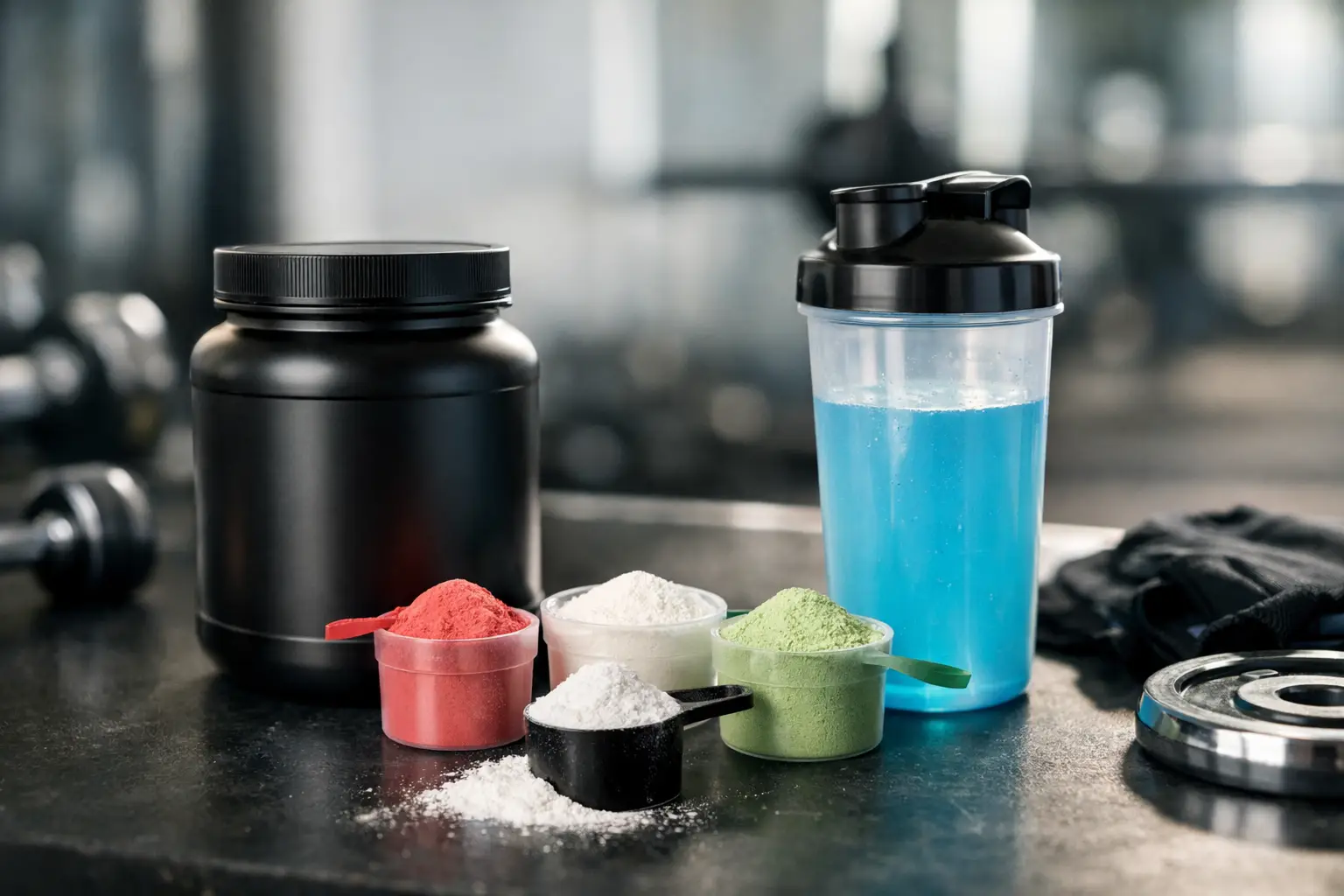
A great session can start with more than motivation. When you are training before work, pushing through a demanding leg day, or trying to make the most of a home-gym workout, the right formula can bring real focus to the first rep. This pre workout review cuts through loud labels and oversized claims, so you can shop for the ingredients and dosages that match how you actually train.
Pre-workout is not magic powder. It is a tool for energy, alertness, endurance, and sometimes better pumps. The best choice depends on your caffeine tolerance, training time, goal, and what else is already in your supplement routine. A high-stimulant blend may feel perfect for a 5 a.m. strength session but be a terrible fit for someone training after dinner.
What a Pre Workout Should Actually Do
A well-chosen pre-workout should help you arrive at the hard part of training feeling ready to work. For most people, that means steady energy, sharper mental drive, and enough endurance to keep effort high across sets, intervals, or miles. It should not leave you shaky, nauseated, unable to sleep, or dependent on a double scoop just to get moving.
Think about the workout in front of you. Heavy lifting often benefits from focus, caffeine, and ingredients that support training volume. High-intensity cardio or circuits may call for energy without a heavy, overly sweet feeling in your stomach. For long sessions, hydration and electrolyte support can matter as much as stimulation.
The label should tell a clear story. When a product names each ingredient and its dose, you can compare it to your needs and avoid paying for a flashy blend that hides the numbers. If the label relies on a proprietary blend, you may know what is included but not whether there is enough of it to make a meaningful difference.
Pre Workout Review: The Ingredients Worth Checking
Caffeine for energy and focus
Caffeine is usually the headline ingredient, and it works well for many active adults. It can improve alertness, perceived energy, and willingness to push through a tough session. The catch is that more is not always better.
A moderate serving of roughly 100 to 200 mg can be plenty for beginners, lighter body weights, and evening trainers. More experienced caffeine users may prefer 200 to 300 mg, but tolerance varies widely. Going higher can bring jitters, a racing heart, anxiety, headaches, or a sleep-disrupting crash. If you also drink coffee, energy drinks, or fat-burning supplements, add up your total daily caffeine before taking a scoop.
Caffeine-free pre-workouts are a smart option for late workouts, stimulant-sensitive users, and anyone who wants a stronger training routine without relying on stimulants. They can still support pumps, hydration, and performance-focused training.
Citrulline for pumps and training volume
L-citrulline and citrulline malate are popular because they support nitric oxide production and blood flow. In practical terms, many lifters use them to chase a better pump and maintain output through higher-volume sessions.
Look for transparent dosing. Around 6 to 8 grams of L-citrulline is commonly used, while citrulline malate formulas are often used at higher total amounts because part of the weight comes from malate. A low-dose sprinkle may look good on the front of the tub but may not deliver the experience you expect.
Beta-alanine for hard intervals
Beta-alanine supports muscle carnosine levels over time and may help during repeated, high-intensity efforts. It is more relevant for tough circuits, sprint intervals, functional training, and higher-rep work than for a single heavy rep.
The familiar skin tingles are called paresthesia. They are usually harmless for healthy adults, but they can be distracting if you are new to the ingredient. Tingles are not proof that a formula is stronger, and a product can work without making your face itch. Consistent use matters more than the sensation.
Creatine for strength progress
Creatine is one of the most researched sports-nutrition ingredients for strength, power, and lean-mass support when paired with training. Some pre-workouts include it, often around 3 to 5 grams per serving. That is convenient, especially if you like keeping your routine simple.
Still, you do not need creatine in a pre-workout for it to work. Creatine timing is flexible, so a separate daily creatine supplement can make more sense if you train at different times or prefer a stimulant-free formula. Choose the setup you will use consistently.
Electrolytes and hydration support
If you sweat heavily, train in heat, or finish your workout looking for the nearest water bottle, hydration ingredients deserve more attention. Sodium, potassium, and magnesium can support fluid balance, especially in longer or sweat-heavy sessions. They are also worth considering for low-carb and keto routines, where electrolyte intake can be a bigger part of feeling good during training.
Do not mistake a small electrolyte blend for a full hydration plan. You still need water, and intense training may call for more deliberate hydration before, during, and after the session.
Match the Formula to Your Goal
The right pre-workout has less to do with the most extreme label and more to do with the job you need it to perform. For muscle-building workouts, prioritize transparent doses of citrulline, creatine if you want the convenience, and an energy level you can tolerate through multiple hard sets.
For fat-loss training, avoid the trap of choosing a harsh stimulant just because it promises maximum intensity. A moderate-caffeine formula can help you train with purpose while still protecting sleep, appetite control, and recovery. Poor sleep can work against body-composition goals faster than an extra 100 mg of caffeine can help them.
For home-gym training, convenience wins. A formula that mixes easily, does not upset your stomach, and helps you get moving on busy days may be more valuable than a complicated ingredient panel. Pair it with the basics that make sessions happen: your favorite activewear, a full water bottle, and equipment ready before the first scoop.
For evening lifters, a stimulant-free pump or endurance formula is often the better call. You can still make the session count without turning bedtime into a staring-at-the-ceiling contest.
How to Use Pre Workout Without Overdoing It
Start with less than the full serving, particularly if the product is new to you. A half scoop lets you assess taste, digestion, and stimulant response before you commit to a full dose. Most users take pre-workout about 20 to 45 minutes before training, though the exact timing depends on the formula and your own response.
Avoid stacking multiple stimulant products in the same window. Pre-workout plus coffee plus an energy drink can quickly turn productive energy into a rough workout. Keep an eye on hidden caffeine sources, including some fat-loss products, gels, and sodas.
Use it strategically rather than automatically. You may want it for early sessions, demanding lower-body days, heavy strength blocks, or days when work has drained your focus. On lighter days, a meal, water, and a short warm-up may be all you need. This approach can also help you avoid building a high caffeine tolerance.
If you are pregnant or nursing, have cardiovascular concerns, take medication, or are sensitive to stimulants, check with a qualified healthcare professional before using a pre-workout. Stop using any product that causes chest discomfort, severe dizziness, persistent rapid heartbeat, or other concerning symptoms.
Red Flags Behind the Flashy Label
Big claims deserve a closer look. Be cautious with products that promise instant fat loss, limitless energy, or a dramatic muscle-building effect from one scoop. Training, food intake, sleep, and consistency still do the heavy lifting.
A few red flags are especially worth skipping: undisclosed proprietary blends, extremely high caffeine without clear guidance, vague stimulant names, and labels that make it hard to identify serving size. Also consider flavor and sweetener tolerance. The best formula on paper is not a repeat purchase if it tastes harsh or makes your stomach feel off halfway through your workout.
Price matters, but compare cost per serving rather than just the tub price. A bargain formula with weak dosing may not be a deal. A slightly higher-priced product with transparent, purposeful ingredients can offer better value when it supports the sessions you are already committed to completing.
Build a Routine You Can Repeat
Your pre-workout should fit into a bigger progress plan, not replace one. Use it alongside enough protein, regular meals, hydration, recovery, and a training program that gives your effort somewhere to go. If your goal is strength, pair that focused energy with progressive overload. If your goal is fat loss, pair it with habits you can keep through weekends, work deadlines, and travel.
Shop the formula that meets your real training hour, not the most aggressive promise on the shelf. A steady, well-tolerated pre-workout that gets you excited to grab your dumbbells, step onto the treadmill, or start that final circuit is a purchase that can keep earning its place in your routine.