Best Foam Roller for Muscle Recovery: Expert Picks for Faster Healing and Reduced Soreness


Foam rollers help loosen tight muscles, reduce soreness, and speed recovery after workouts or long days of sitting. They work by applying pressure to muscles and fascia, which can improve blood flow and mobility without a therapist. Different rollers—smooth, ridged, soft, or firm—serve different needs: softer rollers suit beginners and sore muscles, while firmer or textured rollers give deeper pressure for knots and dense tissue.
When choosing a foam roller, the most important things to check are firmness, size/length, and surface texture. Firmness determines how deep the pressure will be and whether a roller will be comfortable or too painful for your needs. Size affects portability and which body parts you can target, and texture controls how focused the pressure will be on trigger points. We tested a range of rollers to find the ones that balance comfort, durability, and effectiveness so you can pick the right tool for your recovery needs.
Best Foam Rollers for Muscle Recovery
Below is our full list of the best foam rollers for muscle recovery. We tested options for durability, firmness, and ease of use to help you find the right roller for sore muscles and faster recovery. Use our picks to compare features and choose one that fits your routine.
Amazon Basics Foam Roller (24″)

We recommend this if you want a firm, no-frills roller that holds shape and won’t break the bank.
Pros
- Very firm for deep muscle release
- Lightweight and easy to carry
- Durable — keeps its shape over time
Cons
- Too hard for users who need gentler pressure
- No textured surface for targeted massage
- Plain design with no padding
We used this roller after strength sessions and physical therapy stretches. It felt very firm when we rolled our calves and back, which dug into tight spots and helped loosen muscles quickly.
Moving it around the room was simple because it’s light. Laying on it for thoracic extensions felt stable and long enough to support our spine without squishing.
It’s not for people who want soft cushioning or a massage-style texture. For anyone who needs firm pressure to break up knots and wants a durable, affordable tool, this worked well for us.
Amazon Basics High-Density Foam Roller (18″)

We recommend this if you want a firm, no-frills roller that holds shape and lasts for basic muscle recovery.
Pros
- Very firm so it reaches deep muscle knots.
- Durable and keeps its shape over time.
- Lightweight and easy to move or take to class.
Cons
- Too hard for anyone who needs cushioned or gentle pressure.
- Narrow 6″ diameter can feel sharp on small areas.
- Plain design offers no textured massage features.
We used this roller after long runs and heavy lifting. It felt stiff at first, but that stiffness helped us work into tight calves and glutes. Rolling our spine felt stable and the roller didn’t dent even after regular use.
Transporting it was simple because it’s light. We slipped it under a bike seat or into a gym bag without adding weight. Cleaning was quick with a wipe, which mattered after sweaty sessions.
Some days we wanted something softer for sore spots near the ribs and hips. For anyone new to foam rolling or with low pain tolerance, this one can feel intense. Still, for deep tissue work and a long-lasting tool, it does the job well.
TriggerPoint GRID 13″ Foam Roller

We recommend this if you want a durable, firm roller that gives a deep, massage-like recovery for tight muscles.
Pros
- Firm, long-lasting build that keeps shape after heavy use
- Multi-density surface mimics hands to target knots well
- Hollow core gives deeper compression without collapsing
Cons
- Firmer feel can be intense for very sore or new users
- Short 13″ length limits some full-back rolling positions
- Textured ridges may bruise sensitive areas if used too long
We used this roller after tough leg and back sessions and felt real pressure on tight spots. The GRID’s raised ridges dig into knots and push blood flow, so sore muscles loosen faster than with a smooth roller.
The outer foam is tough but comfortable. Rolling over my calves and glutes felt like a focused massage, and the hard inner core stopped the roller from flattening under weight.
We noticed the firm surface can be sharp if you press too hard right away. Beginners should ease into it and add a softer roller first if they find it painful.
Amazon Basics Foam Roller (36″)

We recommend this if you want a firm, no-frills roller that holds shape and costs very little.
Pros
- Very firm and durable for deep muscle work
- Lightweight and easy to move or carry
- Long enough to support spine and full-body rolling
Cons
- Quite firm — might be painful for beginners
- Minimal cushioning for sensitive areas
- Plain look with no textured surface for focused trigger points
We used this roller after tough leg and back sessions and found it felt like the ones at our gym. The firmness lets you dig into tight spots and it never deforms, even after heavy use.
Moving it around during a routine was simple because it is light. Lying on it for spinal mobility felt solid and steady rather than squishy.
Beginners should expect a sharp pressure at first. We found shorter sessions eased us into it, and it worked well for recovery once muscles warmed up.
Overall, this is a straightforward, reliable foam roller for people who prefer firm, stable pressure without extra features.
321 Strong Foam Roller (Aqua)

We recommend this roller if you want a sturdy, travel-friendly tool that digs into tight muscles without being brutal.
Pros
- Feels firm enough to reach deep knots.
- Lightweight and easy to carry.
- Textured grid mimics hands for focused pressure.
Cons
- Might be too firm for very sensitive areas.
- Small length limits some full-back rolling.
- Not ideal for neck work.
We used this roller after a few hard runs and liked how quickly it loosened our calves and hamstrings. The textured zones really grabbed the muscle, which helped with tight spots that softer rollers miss.
The size made it simple to toss in a gym bag. It felt rugged and never squashed under our weight, so it held shape session after session.
Rolling our glutes and IT band showed real benefit, but we had to be careful on sore lower-back days because the firmness can be intense. Overall, it’s a solid choice for most people who want deep tissue work without a bulky tool.
Buying Guide
We look for foam rollers that match how and where we will use them. Think about foam density: softer rollers feel gentler, while firmer rollers give deeper pressure. Choose density based on pain level and experience.
We check roller size and shape next. Short rollers are good for travel and focused spots. Longer rollers work better for back and full-body use.
We weigh surface texture and comfort. Smooth rollers give even pressure. Textured rollers can mimic fingers or elbows for deeper massage.
We consider material and durability. EVA and high-density foam last longer and resist squishing. If we plan to use the roller often, pick a sturdier material.
We evaluate weight and portability. A lighter roller is easier to carry but may compress more. A heavy, solid roller offers firmer support for intense work.
We examine safety and ease of cleaning. Look for closed-cell foam or nonabsorbent covers that resist sweat and bacteria. Removable covers make cleaning easier.
We compare price and warranty. Higher price can mean better materials and longer life. A warranty or return policy gives us protection if the roller fails.
We think about extras and versatility. Some rollers offer hollow cores for storage or attachable accessories. Consider what fits our routines and space.
Quick Feature Checklist
| Feature | Why it matters |
|---|---|
| Density | Pressure level and comfort |
| Size/Length | Target areas and portability |
| Surface Texture | Type of massage feel |
| Material | Durability and support |
| Weight | Portability vs firmness |
| Cleanability | Hygiene and maintenance |
| Warranty | Protection and value |





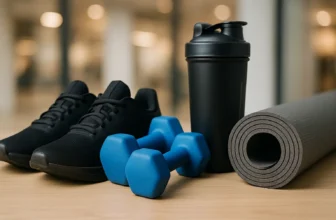
[…] Foam rollers are the quiet workhorse. They’re not magic, and they won’t replace sleep or smart training, but they can make your body feel less stiff and help you move better before lifting. If you’re sore all the time, that’s usually a recovery and volume issue – but rolling can still be a practical part of your routine. […]
[…] it will not turn broken sleep into elite recovery. Use supplements like you use straps, belts, or a foam roller – as support tools, not replacements for the […]
[…] place. That’s why shoppers often do best when they think in systems – treadmill, mat, foam roller, adjustable weights, and recovery support – instead of one isolated […]