
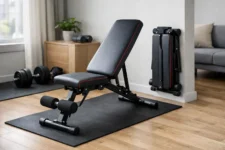
That corner between your bed and dresser can still become a legit training zone. The right folding workout bench small space setups need is not just one that folds flat – it has to feel stable under load, store fast, and earn its footprint every single session.
For apartment lifters, busy professionals, and anyone building a home gym without a dedicated room, the bench is usually the piece that makes or breaks the setup. Dumbbells are easy to tuck away. Bands fit in a drawer. A bad bench, though, becomes a daily annoyance. It blocks the walkway, takes too long to unfold, wobbles during presses, or forces awkward angles that make training feel worse than it should.
What makes a folding bench work in a small space
A compact bench is not automatically a smart buy. Some fold, but still end up bulky because the frame is wide, the pad is thick, or the locking hardware sticks out in ways that make storage awkward. In a small home gym, folded dimensions matter almost as much as the setup dimensions.
The best options balance four things at once: a compact folded profile, enough pad length for real support, a frame that does not shift under pressure, and a quick setup process. If one of those is missing, the bench usually turns into a compromise you notice every week.
This is where buyer priorities matter. If you mostly train with dumbbells and bodyweight moves, you can usually go lighter and slimmer. If you plan to bench press heavier weight or use the bench for split squats, rows, and seated shoulder work, stability moves to the top of the list. A small-space bench should save room, but not by making your training feel second-rate.
Folding workout bench small space buyers should prioritize
Start with the footprint you actually have, not the one you wish you had. Measure the area when the bench is open, then measure the path it needs to travel when you fold it away. A bench that fits during a workout but cannot clear the closet opening or slide under the bed is not really space-saving.
Height matters more than many people expect. A bench that sits too high can make dumbbell pressing and step-ups feel awkward, while one that is too low may throw off leg drive and comfort. Most people do well with a standard-style height, but shorter and taller users should pay closer attention.
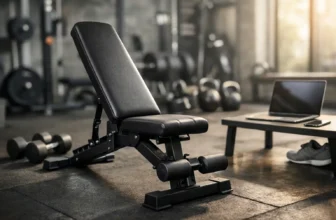
Adjustability is another major choice. Flat benches are usually the most stable and easiest to store. Adjustable benches add more exercise variety, which is a big win when space is tight because one bench can cover flat press, incline press, seated curls, shoulder work, and core training. The trade-off is simple: more moving parts usually mean more weight, more bulk, and sometimes a little more setup time.
For many small apartments, an adjustable folding bench is worth it because it replaces multiple pieces of equipment. If your priority is maximum sturdiness and minimum hassle, a flat folding bench may be the stronger value play.
Flat vs adjustable in real home use
If you train three to four days a week and like straightforward push, pull, and lower-body sessions, flat can be enough. You can still do presses, rows, hip thrusts, Bulgarian split squats, and plenty of core work. It is the cleaner, simpler option.
If you want more variety without adding more gear, adjustable wins. Incline work can help target the upper chest and shoulders, and upright positions make lighter dumbbells more useful. That matters when your home gym is built around space efficiency and versatile equipment.
The catch is that not all adjustable benches fold equally well. Some technically fold but still store like a large suitcase. If you want the versatility, make sure the closed dimensions are practical for your actual room.
Stability is where good deals become great buys
Price matters, especially when you are building out a home setup piece by piece. But with benches, the cheapest option often becomes the one you replace first. If the frame flexes, the bench rocks, or the pad shifts under your back, every set feels less secure.
A solid bench should feel planted during presses and rows, even if you are not lifting huge numbers. Wider rear stabilizers can help, but so can better frame design and quality locking points. Weight capacity is useful as a reference, though it should not be the only thing you trust. A big listed number does not always mean the bench feels better in motion.
Padding is another overlooked factor. Too soft, and you sink in and lose stability. Too hard, and longer sessions get uncomfortable fast. A firm, supportive pad usually works best for mixed training. For small-space shoppers, this is one area where the sweet spot matters more than flashy specs.
Quick setup matters more than you think
A folding bench only saves space if you will actually fold it away. If setup feels clunky, many people leave it open all week, which defeats the point. Look for benches with simple pop-pin or ladder-style adjustments and a folding mechanism that does not require a mini engineering session.
This is especially true if your workout area doubles as a bedroom, office, or living room. Fast transitions keep your routine realistic. The easier the bench is to bring out and put away, the more likely you are to stay consistent.
Best use cases for a folding bench in tight homes
The best part of a folding bench is not just storage. It is how much training value you can get from a small area. Pair one bench with adjustable dumbbells, resistance bands, and a mat, and you can cover a surprisingly complete program.
For upper body days, a bench opens up presses, supported rows, curls, triceps extensions, and shoulder work. For lower body, it adds split squats, hip thrusts, step-ups, and elevated glute work. For core, it gives you decline-style crunch variations, supported leg raises, and more range for bodyweight movements.
That makes the bench one of the smartest pieces to buy early in a home gym setup. If you are trying to stretch your budget and your square footage at the same time, versatility is a serious advantage.
Where to store it without turning your room into a gym
Under-bed storage is the first choice for many shoppers, but only if the folded height is low enough and the frame shape does not snag. Against-the-wall storage works well in bedrooms and garages, though you will want to make sure the bench will not tip easily. Closet storage is ideal if the bench is light enough to move without hassle.
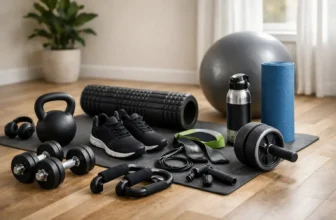
If your space is extra tight, think beyond the bench alone. Consider how it lives with the rest of your setup. A folding bench paired with compact dumbbells, stackable plates, or resistance tools creates a cleaner system than buying one space-saving item and several bulky ones. Small-space training works best when the whole setup is intentional.
This is also where deal shopping can pay off. Building around multi-use gear gives you more progress per dollar and more value per square foot. That is a stronger move than chasing low prices on equipment that duplicates functions or creates storage headaches.
Common mistakes to avoid before you buy
The first mistake is buying by folded photos alone. Product images can make almost any bench look slim. Check real dimensions, especially folded thickness and total length.
The second is overbuying for imagined strength levels. If you are training with moderate dumbbells, you may not need the heaviest bench on the market. More bench is not always better if it eats up storage space and feels annoying to move.
The third is underbuying on comfort and stability. This one is more common. People see a compact design, low price, and decent-looking specs, then realize a month later that the bench feels too narrow, too short, or too shaky. That kind of frustration slows workouts and makes skipped sessions more likely.
A smarter approach is to think in terms of training style. If you lift often and want one bench to support multiple goals, go for the model that gives you dependable stability and useful adjustability. If you need a simple bench for a few key movements each week, a flatter, lighter design may be the better fit.
How to choose with confidence
Before you add anything to cart, ask three practical questions. First, where will it sit when open? Second, where will it live when folded? Third, what exercises do you actually do every week? Those answers cut through the marketing fast.
For a lot of shoppers, the best folding workout bench small space homes can handle is not the flashiest or the heaviest-duty option. It is the one that matches your room, your routine, and your willingness to set it up consistently. That is the bench that gets used, and used equipment is what drives results.
If you are building a compact home gym, think like a smart shopper and a serious trainee at the same time. Prioritize gear that saves room, supports real progress, and keeps your workouts easy to start. At FitwellGoods, that kind of value is always worth chasing – especially when one smart upgrade can make your whole setup work harder.









&url=https://fitwellgoods.com/shop/yoga/yoga-foam-wedges/deayou-2-pack-yoga-foam-wedge-13-eva-foam-wedge-block-for-exercise-wrist-back-support-purple/&media=https://m.media-amazon.com/images/I/31ZZFuxuYAL._SS1024_.jpg)


