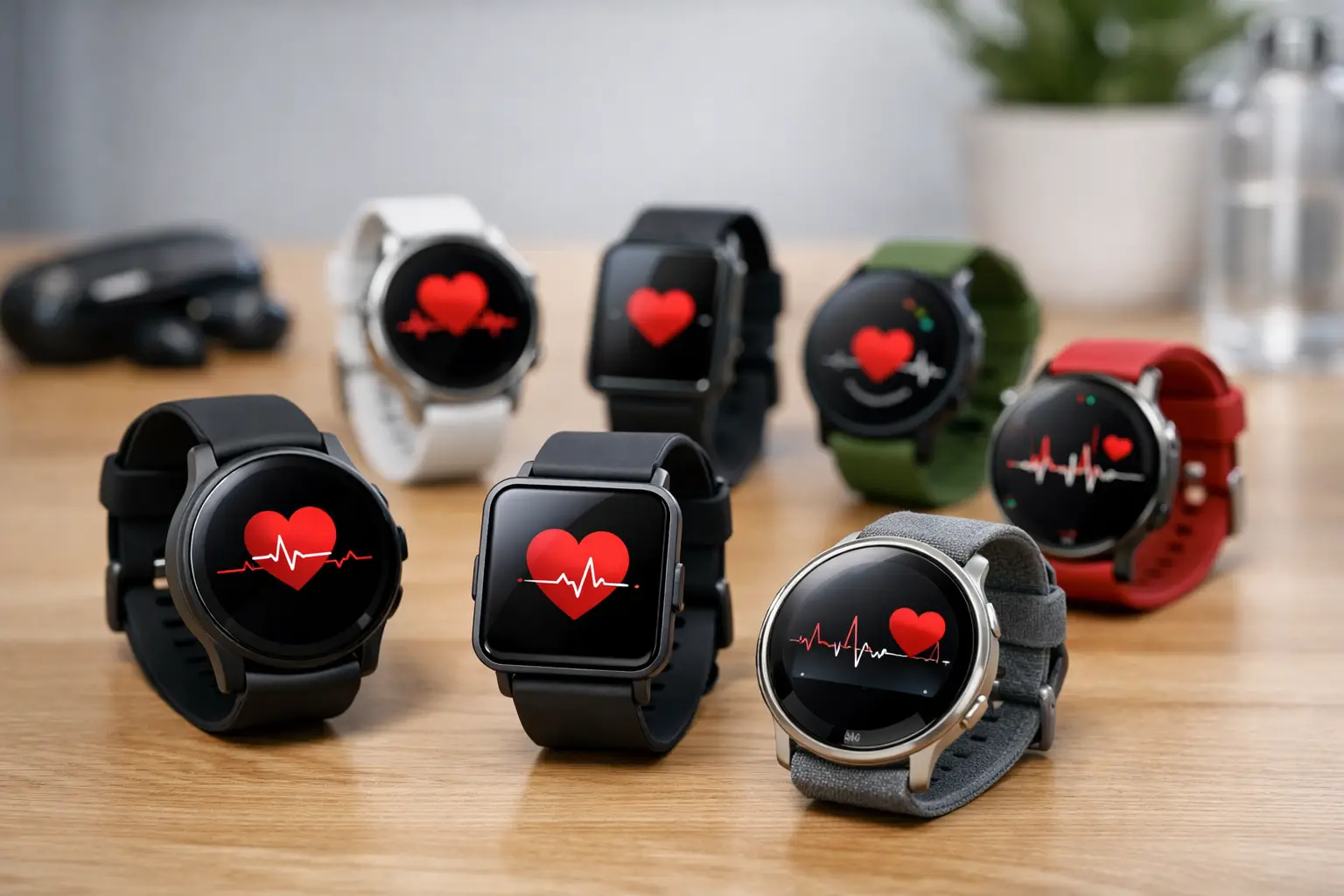
You do not need a $400 wearable to train smarter. If you are shopping for the best heart rate monitor watch budget option, the real win is finding a model that tracks consistently, feels good on your wrist, and gives you the data you will actually use – not paying extra for flashy features that never leave the menu screen.
For most people, a budget heart rate watch is not about cutting corners. It is about getting the essentials right. That means dependable heart rate readings during workouts, basic sleep and recovery insight, solid battery life, and enough durability to keep up with gym sessions, walks, runs, and daily wear. If your goal is fat loss, better conditioning, or staying in your target training zone, those basics matter a lot more than having every premium metric under the sun.
What makes the best heart rate monitor watch budget-friendly?
A low price alone does not make a watch a smart buy. The best budget picks earn their spot by giving you strong everyday value. In practical terms, that usually means optical heart rate tracking that is good enough for steady cardio, strength sessions, and general wellness trends. It also means an app that is easy to read and not overloaded with clutter.
The trade-off is accuracy at the margins. Wrist-based heart rate sensors can struggle during sprints, interval work, and some lifting sessions where your wrist flexes a lot. That is normal, even on pricier models. If you are obsessed with exact data during high-intensity training, a chest strap is still the better tool. But for most buyers who want a wearable that supports daily movement, calorie burn awareness, and heart rate zone guidance, a budget watch can absolutely do the job.
Price also needs context. In this category, budget usually lands somewhere between $40 and $150. Once you move past that, you start paying more for advanced mapping, app ecosystems, onboard music, deeper training analytics, or a bigger brand premium.
7 best heart rate monitor watch budget picks
Amazfit Bip 5
If you want the most balanced budget option, the Amazfit Bip 5 is hard to ignore. It gives you continuous heart rate tracking, sleep monitoring, step tracking, GPS support through connected features, and a large display that is easy to read mid-workout. The battery life is also a major selling point, especially if you hate charging another device every day.
Its biggest strength is convenience. It covers the basics with enough polish that it feels like a real upgrade from an entry-level fitness band. The downside is that heart rate accuracy during fast transitions can be hit or miss, so it is better suited for walks, runs, cycling, and general gym use than all-out interval training.
Fitbit Inspire 3
The Fitbit Inspire 3 is technically closer to a fitness tracker than a traditional watch, but it deserves a spot because it does the core job very well. Heart rate tracking is steady, the app experience is beginner-friendly, and it gives you a clear picture of daily activity, sleep, and recovery trends.
This is a great choice for anyone starting a weight-loss phase or trying to build consistency. You get useful data without feeling buried in advanced metrics. The main compromise is screen size and watch-like presence. If you want something that looks more like a smartwatch, this may feel a little too minimal.
Garmin Forerunner 55
If your budget can stretch higher, the Garmin Forerunner 55 is one of the strongest value buys for runners and cardio-focused users. Garmin has a solid reputation for training tools, and this model gives you dependable heart rate tracking, built-in GPS, workout suggestions, and a lightweight fit that is easy to wear every day.
This is where budget shopping gets interesting. You pay more than entry-level bands, but you also get more serious training value. If you mainly lift and want a sleek lifestyle watch, it may be more running-focused than you need. But if your weekly plan includes treadmill miles, outdoor runs, or conditioning work, it offers excellent bang for the buck.
COROS Pace 2
The COROS Pace 2 has built a loyal following for one simple reason – it punches above its price. It is light, comfortable, and loaded with training features that appeal to runners, hybrid athletes, and people who want more performance data without chasing premium prices.
Its heart rate tracking is solid for daily training, though like most wrist sensors, it is not flawless during explosive intervals. Where it shines is overall athlete value. You get long battery life, strong workout support, and a focused experience that feels built for performance instead of distraction.
Polar Unite
The Polar Unite is a smart pick for buyers who care about heart rate, recovery, and guided training support more than smartwatch extras. Polar has long been respected for heart rate and training insight, and this watch leans into that strength with useful wellness and workout features.
This model makes sense if you want structure. It is especially appealing for users mixing cardio with recovery work, yoga, or general fitness sessions. The trade-off is that it is not the flashiest watch in the group, and some shoppers may find the interface less slick than mainstream smartwatch brands.
Samsung Galaxy Fit 3
For Android users who want a clean, affordable tracker with smart features, the Samsung Galaxy Fit 3 brings strong everyday value. It handles heart rate monitoring, activity tracking, sleep data, and phone-connected convenience in a slim package that feels modern and easy to wear.
This is a practical pick for busy professionals who want all-day tracking without a bulky watch on the wrist. It is not the most advanced training device here, but it checks the boxes for daily accountability. If your fitness focus is general health, gym attendance, step count, and moderate cardio, it makes a lot of sense.
Apple Watch SE
The Apple Watch SE is often the top stretch-budget option for iPhone users. It is not the cheapest device on this list, but when discounts hit, it becomes one of the most compelling buys in the category. Heart rate monitoring is reliable for most workouts, and the overall smartwatch experience is still one of the easiest to use.
The catch is battery life. You are trading long endurance for a stronger app ecosystem and better smart features. For someone deeply invested in the Apple ecosystem, that can be worth it. For someone who only cares about fitness tracking and hates frequent charging, another budget pick may be the smarter play.
How to choose the best heart rate monitor watch budget option for your goals
The right buy depends less on brand hype and more on how you actually train. If you walk, jog, use cardio machines, and want a simple way to stay in a fat-burning or aerobic zone, most budget watches will cover you well. You do not need elite-level sensors to spot trends and stay consistent.
If you lift often, pay attention to fit and wrist comfort. A bulky watch can get annoying during pressing movements, kettlebell work, or exercises that require wrist wraps. In that case, a slimmer tracker may be better than a larger smartwatch, even if the bigger watch has more features.
If you are training for races or doing structured intervals, spend a little more for a model with better workout tools and GPS. That is where watches like the Garmin Forerunner 55 and COROS Pace 2 stand out. They are still value buys, but the extra spend brings clearer training payoff.
Phone compatibility matters too. Apple users usually get the smoothest experience with Apple devices. Android users have more flexibility, but some watches still work better inside certain ecosystems. A good deal is only a good deal if the setup is painless and the app helps you stick with the habit.
Features worth paying for – and features you can skip
Heart rate tracking, workout modes, sleep monitoring, water resistance, and battery life are worth prioritizing. Those are the features that support real progress and daily use. A bright display also helps more than people expect, especially if you train outdoors or glance at your wrist during movement.
Some extras are nice but not necessary for most budget shoppers. Taking calls from your watch, storing music, advanced body composition scores, and highly detailed readiness metrics can be useful, but they are not essentials for the average buyer. If those features push you into a much higher price bracket, it is fair to skip them.
This is where smart shopping wins. Focus on the features that will help you train more consistently, recover better, and stay motivated. That is the difference between a watch that becomes part of your routine and one that ends up in a drawer.
Where budget shoppers get the best value
The sweet spot is usually last generation models, deal-priced mid-tier trackers, and fitness-first watches that skip luxury extras. That is where the strongest value lives. Hot Picks and limited-time offers often make a better watch suddenly affordable, so timing matters more than many shoppers realize.
If you are already building out your training setup, it also helps to think bigger than one purchase. A watch works best when it fits into a complete routine with the right shoes, activewear, recovery tools, and home workout gear. That is part of why shoppers browsing stores like FitwellGoods often make smarter fitness buys overall – it is easier to build around your goal instead of buying one random gadget at a time.
A good budget heart rate watch should make training feel clearer, not more complicated. Pick the one that matches your workouts, your phone, and your habits, then use the savings on the gear that keeps you moving next week too.