
A cold-weather workout can go sideways fast when your first layer traps sweat, rides up under a jacket, or feels heavy before you hit your stride. The best womens base layer tops do one job exceptionally well: they keep you comfortably warm while moving moisture away from your skin, so your focus stays on the run, lift, hike, or outdoor session ahead.
The right pick depends on how hard you train, how cold it gets, and whether you run warm or chilly. A lightweight synthetic top may be perfect for fast intervals, while a merino layer can be a smarter move for long hikes and low-intensity days. Here are 12 high-value base-layer styles to look for when you are building a cold-weather activewear lineup.
12 Best Women’s Base Layer Tops to Shop by Goal
1. Lightweight Crewneck for High-Output Runs
For tempo runs, winter cycling, and hard conditioning, start with a thin, fitted crewneck made with moisture-wicking polyester or nylon. It should sit close to the body without squeezing your shoulders or restricting arm drive. The goal is not maximum insulation. It is rapid sweat management under a vest, windbreaker, or quarter-zip.
Look for flat seams and a longer hem that stays put when you move. This is the workhorse layer for athletes who heat up quickly.
2. Merino Wool Long Sleeve for Hiking
Merino is a standout when your day includes changing temperatures, slower movement, or long stretches outdoors. It naturally resists odor better than many synthetic fabrics and remains comfortable even if it gets damp. That makes it a strong option for hiking, camping, travel days, and outdoor walking workouts.
The trade-off is price and durability. Merino can cost more, and a very fine knit needs gentler care than a standard polyester top. Choose a merino blend if you want some added stretch and abrasion resistance.
3. Midweight Half-Zip for Layer Control
A half-zip base layer gives you fast temperature control without stopping your workout. Zip it up at the trailhead or during a chilly warmup, then open the collar once your heart rate climbs. This style earns its spot for runners, skiers, and anyone who moves between indoor and outdoor training spaces.
Prioritize a low-profile zipper guard so it does not rub your chin. A streamlined collar also layers more easily beneath a hoodie or insulated jacket.
4. Mock Neck for Windy Outdoor Sessions
When cold air hits your neck, the rest of your layers can feel less effective. A mock-neck base top adds coverage without the bulk of a scarf or a full turtleneck. It is an especially practical choice for brisk walks, sideline sports, golf, and early-morning outdoor training.
Choose a breathable fabric rather than a thick fleece. The mock neck should protect you from wind, not make you overheat halfway through your workout.
5. Seamless Compression Top for Gym Training
A seamless long-sleeve compression top works well for lifting, functional training, and indoor classes where you want light warmth plus a locked-in feel. The best versions use flexible ribbing or mapped stretch panels around the shoulders, chest, and back. They should move with presses, rows, squats, and mobility work without feeling restrictive.
Compression is personal. If you dislike a very snug fit, size up or select a standard fitted silhouette. A base layer should support your movement, not make breathing or reaching uncomfortable.
6. Brushed Thermal Top for Low-Intensity Days
For walking, recovery sessions, outdoor errands, or standing around at a game, a lightly brushed thermal top offers a soft and cozy feel. It is warmer than a standard performance long sleeve but still easy to layer. This is the style to grab when comfort is as important as workout performance.
Save thicker brushed fabrics for low-output activity. They can feel great at first, but heavy insulation may hold too much heat during hard runs or intense cardio.
7. Thumbhole Long Sleeve for Extra Hand Coverage
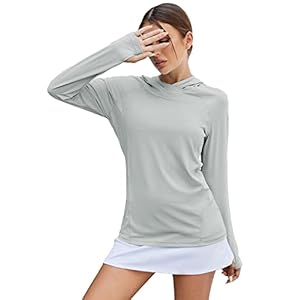
Thumbholes are a small feature with real cold-weather value. They keep sleeves from creeping up under jackets and cover part of the hand when you do not need full gloves. A thumbhole base layer is ideal for running, walking, outdoor warmups, and commuting to the gym.
Check the thumbhole placement before buying. It should feel natural when your hands are relaxed, not tug at the sleeve or twist the fabric around your wrist.
8. Raglan-Sleeve Top for Broad Shoulder Mobility
Raglan sleeves extend to the collar instead of ending at the top of the shoulder. That construction can make a noticeable difference during overhead presses, kettlebell work, climbing, rowing, and yoga. If regular long sleeves often pull across your upper back, this detail is worth seeking out.
Pair a mobile raglan base layer with a vest or open-front outer layer when you want warmth without sacrificing full shoulder range. It is a simple upgrade for strength athletes who train in cool garages or home gyms.
9. UPF Performance Layer for Winter Sun
Cold weather does not cancel sun exposure, especially on open trails, snow-covered routes, and long outdoor runs. A lightweight base top with UPF protection offers another layer of coverage for sunny winter sessions. This option makes the most sense in milder climates where you need breathable performance fabric more than deep insulation.
Use it as your first layer on cool, dry days, then add a wind-resistant shell if the forecast shifts. Smart layering beats wearing one overly warm piece.
10. Body-Mapped Base Layer for Variable Conditions
Body-mapped tops use different knit zones to place more breathability where you sweat and more warmth where you need it. You may see mesh under the arms, ribbed stretch through the elbows, and denser fabric across the chest or back. This is a high-performance choice for ski days, trail runs, and outdoor circuits in unpredictable weather.
Because the construction is more technical, fit matters. The zones only work as intended when the top sits close enough to the body. Avoid a baggy fit if temperature regulation is your priority.
11. Scoop-Neck Layer for Easy Everyday Stacking
Not every base layer needs a high collar. A scoop-neck long sleeve can sit cleanly under crewneck sweatshirts, hoodies, flannels, and casual jackets, making it useful beyond workouts. It is a strong choice for people who want one top that works for a morning walk, a gym session, and the rest of a busy day.
Make sure the neckline still provides enough coverage for your climate. In sharp wind, a crewneck or mock neck will usually feel warmer.
12. Longline Base Top for Leggings and Outdoor Mobility
A longer-length base layer provides extra coverage over high-rise leggings and helps prevent a cold gap at the waist when you bend, stretch, or reach overhead. That matters for yoga, mobility work, hiking, and outdoor strength sessions. A curved hem can also create a more secure, flattering fit without adding bulk.
The best longline styles stay smooth under outer layers. Skip bulky kangaroo pockets, thick hems, and oversized cuts when you need a true first layer.
How to Choose the Right Fabric and Fit
Fabric should match effort level first, then temperature. Synthetic performance fabrics are usually the best value for sweaty training because they dry quickly, stretch well, and are easy to wash. Merino is excellent for odor control and changing conditions, but it is often pricier. Blends give you a middle ground, combining wool’s comfort with synthetic durability and faster drying.
Cotton is comfortable for casual wear, but it is rarely the best choice for cold, sweaty sessions. Once wet, it can stay wet against your skin and leave you chilled when you slow down. Reserve cotton-heavy long sleeves for low-sweat errands, easy indoor movement, or lounging after training.
Fit should be close, not constricting. A base layer needs contact with your skin to move moisture effectively, but you should still be able to raise both arms, rotate your torso, and breathe deeply. Test for sleeve length, hem coverage, and any tightness across the chest, shoulders, or elbows.
Build a Smarter Cold-Weather Training Stack
The best womens base layer tops are only one part of the system. For high-output workouts, use a breathable base layer with a light wind shell or vest. For lower-output hiking and walking, add an insulating midlayer over your base, then finish with weather protection if rain or wind is in the forecast.
Do not forget the accessories that often determine whether a session feels good or miserable: warm socks, gloves, a headband or beanie, and a dry backup top for after training. When you shop your cold-weather gear as a complete stack, you are less likely to waste money on a single heavy top that only works in one narrow condition.
Your next outdoor workout does not need perfect weather. Start with a base layer that matches your pace, add the right coverage, and keep your momentum moving forward. FitwellGoods makes it easier to build that training-ready cart with activewear essentials designed for every goal.