
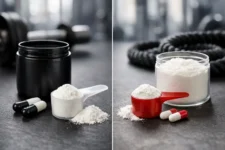
You do not need a cluttered supplement shelf to train harder. If you are weighing creatine vs beta alanine, the smarter move is matching the supplement to the kind of progress you actually want. One helps more with strength, power, and muscle performance. The other shines when hard efforts start burning and you need to hold pace a little longer.
That difference matters whether you are chasing heavier lifts, better conditioning, or a more effective pre-workout stack. For busy lifters, home-gym users, and anyone trying to get visible results without wasting money, this is less about hype and more about picking the right tool.
Creatine vs beta alanine: the real difference
Creatine and beta alanine are both popular performance supplements, but they work in different ways.
Creatine helps your body regenerate ATP faster during short, explosive efforts. ATP is the quick energy your muscles use for heavy sets, sprints, jumps, and high-output training. When creatine stores are topped off, you may perform an extra rep, move a little more weight, or maintain power better across repeated sets. Over time, that can support more strength and muscle gains.
Beta alanine works through muscle carnosine levels. Carnosine helps buffer acid buildup in muscles, which matters most when efforts last long enough for the burn to kick in. Think hard intervals, repeated circuits, longer sets, rowing, assault bike work, and high-rep training. Beta alanine does not usually create the same strength-and-size reputation as creatine, but it can help you hang on when fatigue starts climbing.
If you want the short version, creatine is usually the first pick for strength and muscle. Beta alanine is more specific to high-intensity efforts where muscular fatigue builds over 30 seconds to a few minutes.
When creatine is the better buy
If your training revolves around lifting, creatine usually gives you the broader payoff. It is one of the most researched sports supplements available, and the benefit is practical: better performance in repeated bouts of high-intensity work.
That can mean more productive strength sessions. A small bump in training quality may not sound dramatic, but over weeks and months it adds up. More total work, more reps at a given load, and better output across sessions can support muscle growth and strength progress.
Creatine also tends to fit a wide range of athletes and training styles. Powerlifters use it. Bodybuilders use it. Recreational lifters use it. Team-sport athletes often use it too. If your goal is to build muscle, get stronger, or improve gym performance in a way that is easy to measure, creatine is usually the more obvious place to start.
There is also a bodyweight angle to consider. Some people notice a small increase on the scale after starting creatine because it pulls more water into muscle cells. That is not body fat, but if you are in a weight-class sport or you are hyper-focused on scale changes, it is worth knowing upfront.
When beta alanine makes more sense
Beta alanine earns its spot when your workouts live in that uncomfortable zone between pure sprinting and long steady cardio. It is especially relevant for people doing repeated hard intervals, functional fitness classes, circuits, rowing sessions, sled pushes, boxing rounds, and high-volume resistance training.
If your sessions leave you fighting through that deep muscular burn, beta alanine may help you sustain effort a bit longer. The advantage is not magic. It is usually subtle but useful, especially when your sport or training style keeps pushing you into acid-producing intensity.
This is why beta alanine can be appealing for hybrid athletes and people who mix lifting with conditioning. It may not be the first supplement for a beginner who just wants to get stronger, but for someone trying to improve work capacity, it can be a smart add-on.
The catch is that beta alanine is less noticeable day to day than creatine for many users. You may not feel dramatically stronger. The value often shows up in training density, fatigue resistance, or performance during repeated high-effort bouts.
Which is better for muscle gain?
If the main goal is muscle gain, creatine wins more often.
That is partly because it supports the kind of training output that drives hypertrophy. If you can complete more quality reps or maintain performance across sets, you create more opportunity for muscle-building work. Creatine may also increase intracellular water in muscle, which can make muscles look fuller. That is not the same as instant muscle growth, but it is one reason many lifters like how they look and perform on it.
Beta alanine can still support muscle-building training if your routine includes lots of high-rep sets and short rest periods. But in a straight creatine vs beta alanine choice for size, creatine is usually the stronger pick.
Which is better for endurance and conditioning?
This depends on what you mean by endurance.
For long, easy cardio like steady jogging or casual cycling, neither supplement is the clear star. Beta alanine is more relevant for high-intensity endurance, where effort is hard enough to create serious muscle acidity. Think 400-meter repeats, brutal circuit blocks, or all-out rowing intervals.
Creatine can still help athletes who need repeated bursts during conditioning, especially when sessions combine power and short recovery periods. But if your training is built around sustained hard efforts and repeated burn-heavy intervals, beta alanine may line up better with the demand.
Can you take creatine and beta alanine together?
Yes, and for many active adults that is the most practical answer.
Because they work through different mechanisms, creatine and beta alanine are often stacked. Creatine supports strength, power, and repeated high-output performance. Beta alanine supports fatigue resistance during hard efforts. If your program includes both lifting and conditioning, using both can make sense.
This is where a lot of shoppers overcomplicate things. You do not need a fancy routine. You just need consistent dosing and realistic expectations. Neither supplement replaces training, sleep, or enough protein. They support the work you are already doing.
Dosing, timing, and what to expect
Creatine monohydrate is the standard choice for most people. A common maintenance dose is 3 to 5 grams daily. Timing matters less than consistency. Some people do a loading phase, but it is optional.
Beta alanine is usually taken daily as well, often in the 3.2 to 6.4 gram range split into smaller servings. It works by building up muscle carnosine over time, so it is not the kind of supplement you take once and instantly feel in your workout.
That said, you may feel one thing right away with beta alanine: tingling. This harmless sensation, called paresthesia, often shows up when the dose is taken all at once. Some people do not mind it. Others prefer split doses or sustained-release forms.
Creatine does not usually create that same immediate sensation. Its effects are more about what happens after your muscles are saturated. For many people, that means a couple of weeks of consistency before performance changes become more noticeable.
Side effects and who should be cautious
Both supplements are generally well tolerated for healthy adults, but there are trade-offs.
Creatine can cause mild stomach discomfort for some people, especially with large doses. It can also increase body weight slightly through water retention in muscle. If that bothers you, it may feel like a downside even if performance improves.
Beta alanine’s biggest annoyance is the tingling sensation. It is not dangerous, but it can be distracting. Some people also get mild digestive discomfort, especially with larger servings.
Anyone with a medical condition, anyone pregnant or nursing, and anyone taking medications should check with a qualified healthcare professional before starting a new supplement. That is the boring answer, but it is still the smart one.
So which one should you choose?
If you want one supplement with the widest performance upside for strength training, muscle gain, and gym progress, start with creatine. It is simple, affordable, and useful for a huge range of lifters.
If your training is packed with intervals, circuits, high-rep suffering, and conditioning blocks where the burn limits performance, beta alanine becomes more attractive.
If you train across both worlds, lifting heavy and pushing hard conditioning, stacking them can be a strong move. For shoppers trying to build a results-driven routine without overbuying, that is often the sweet spot. FitwellGoods customers looking for practical performance support usually do best when they match supplements to training style instead of chasing whatever is trending.
The best choice is not the flashiest label. It is the one that helps you show up stronger, recover your confidence, and keep stacking quality sessions when motivation is not enough.


![[MAT NOT Included] Yoga Mat Sling, Yoga Mat Straps for Carrying, Easy-Cinch Yoga Mat Holder Strap](https://m.media-amazon.com/images/I/31DnCdRvySL._SS300_.jpg)






,%20Portable%20and%20Lightweight,%205.3%20in,%20180g,%20Black&url=https://fitwellgoods.com/shop/yoga/meditation-benches/ippinka-foldable-meditation-kneeling-bench-seiza-portable-and-lightweight-5-3-in-180g-black/&media=https://m.media-amazon.com/images/I/21+UJ2s2+hL._SS1024_.jpg)


&url=https://fitwellgoods.com/shop/yoga/yoga-mats/gaiam-kids-yoga-mat-exercise-mat-yoga-for-kids-with-fun-prints-playtime-for-babies-active-calm-toddlers-and-young-children-60-l-x-24-w-x-3mm-thick/&media=https://m.media-amazon.com/images/I/31b-wGOXsqS._SS1024_.jpg)


