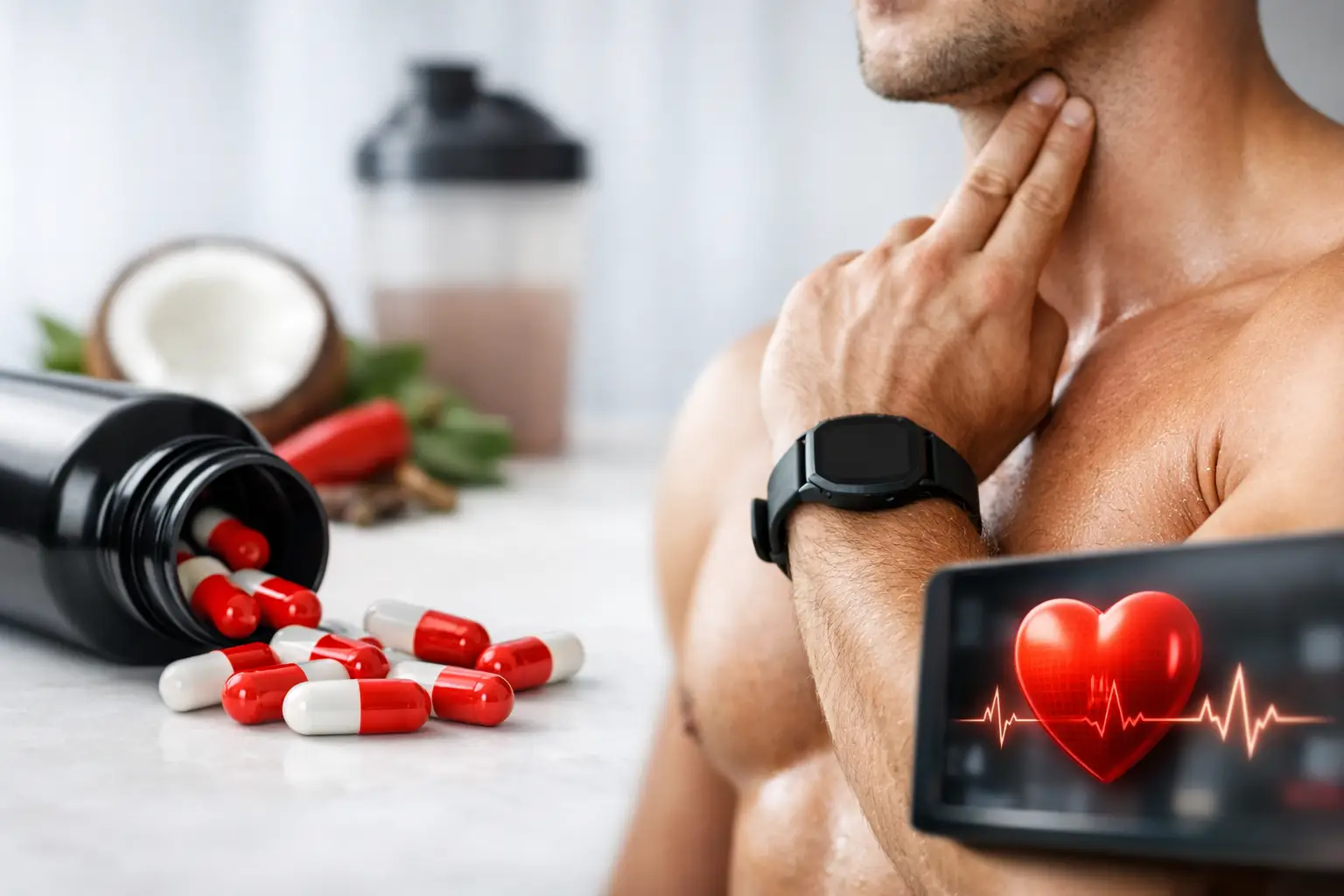
That shaky, wired, heart-thumping feeling after a new supplement is not your imagination. If you started a fat burner and suddenly noticed your pulse climbing during a workout – or while sitting still – the formula may be doing exactly what many of these products are designed to do.
Do fat burners increase heart rate?
Often, yes. Many fat burners increase heart rate because they contain stimulants that push your nervous system to work harder. The most common culprit is caffeine, but it is not the only one. Ingredients like synephrine, yohimbine, green tea extract, guarana, and other stimulant blends can also raise heart rate, blood pressure, or both.
That does not mean every product will affect every person the same way. A mild formula may feel manageable for one person and overwhelming for another. Your size, stimulant tolerance, hydration status, sleep, stress, meal timing, and whether you stack it with pre-workout all matter.
If your goal is fat loss, that detail matters more than the marketing. A supplement that promises more energy or thermogenesis may help you feel more alert, but it can also make your heart work harder than expected.
Why some fat burners speed you up
Most fat burners are built around one simple idea – increase energy output, suppress appetite, or improve focus so dieting feels easier. To do that, many formulas stimulate the central nervous system. When that happens, your body may release more adrenaline and related stress hormones. Heart rate can rise as part of that response.
That is why some users feel amped up, sweaty, restless, or jittery after taking a serving. For some, that feels like workout fuel. For others, it feels like too much too fast.
Thermogenic products are the most likely to create this effect. They are marketed to boost calorie burn by raising body heat and energy expenditure, and stimulants are often part of that strategy. Non-stimulant fat burners exist, but they are a different category and usually work through a softer angle such as appetite support, ingredient-specific metabolism support, or nutrient transport.
Ingredients most likely to raise heart rate
Caffeine is the headliner. It can increase alertness, exercise drive, and perceived energy, but it can also increase heart rate, especially in larger doses or when paired with other stimulants.
Synephrine, often sourced from bitter orange, is another ingredient worth watching. It is used in many weight-management products and may have stimulant-like effects. Yohimbine is also known for producing a stronger, more intense feeling in some users, particularly when taken fasted.
Guarana is sometimes mistaken for a separate energy source, but it naturally contains caffeine. That means a label can look more complex while still delivering a bigger total stimulant load than you expect. Green tea extract can contribute too, especially if standardized for caffeine.
The real issue is not always one ingredient. It is the stack. A formula with caffeine, guarana, green tea extract, and synephrine can hit much harder than a shopper realizes at first glance.
When a faster heart rate is more likely
A slight increase during exercise is normal, of course. But fat burners can push that response higher, and certain situations make that more likely.
If you take a fat burner on an empty stomach, the effects may feel stronger and hit faster. If you combine it with coffee, an energy drink, or pre-workout, you can easily cross into a range where your body feels overstimulated. Hard training, hot weather, poor sleep, and dehydration also make the experience rougher.
This is especially common with people chasing fast results. They start a calorie deficit, add a thermogenic, keep their daily coffee, then use pre-workout before evening cardio. From a marketing angle, that sounds like a serious fat-loss stack. From a recovery and heart-rate angle, it can be a mess.
Resting heart rate vs workout heart rate
A fat burner may affect you in two different ways. It can raise your resting heart rate, meaning your pulse is elevated even when you are sitting, working, or trying to relax. It can also make your heart rate climb faster during training or stay elevated longer after the session.
That distinction matters. A workout naturally increases heart rate. But if your resting pulse feels unusually high, you feel palpitations, or recovery feels off, that is a sign the formula may not be a fit for you.
Not all fat burners work the same way
This is where smarter shopping beats hype. Some products are basically high-stim energy formulas dressed up as weight-loss support. Others are more moderate. Some are stimulant-free and focus on ingredients such as CLA, L-carnitine, or 7-keto, which are typically chosen by shoppers who want support without the intense buzz.
That does not mean stimulant-free equals miracle results. It usually means a different trade-off. You may get a gentler experience and lower odds of a racing pulse, but often with less noticeable short-term energy. For many people, that is actually a win because consistency beats intensity you cannot tolerate.
At FitwellGoods, that kind of goal-based selection matters. If you are building a fat-loss stack, comparing formulas by stimulant load is just as important as comparing them by price, popularity, or trending status.
Who should be extra careful?
If you already have high blood pressure, a heart condition, anxiety, panic attacks, thyroid issues, or sensitivity to caffeine, a stimulant-heavy fat burner deserves real caution. The same goes for anyone taking medications that affect blood pressure, mood, or heart rhythm.
Even without a diagnosed condition, some people simply do not tolerate stimulants well. If one cup of coffee already makes you shaky, a thermogenic blend is not likely to feel smooth.
There is also a training-performance angle. A product that raises heart rate may sound helpful for calorie burn, but if it makes you nauseous, anxious, or unable to complete quality workouts, it is working against your results.
How to read the label before you buy
Start with the stimulant section, not the flashy claims on the front. Look for total caffeine per serving. Then check for secondary stimulant sources like guarana, green tea extract, yerba mate, synephrine, or yohimbine.
Next, look at serving size instructions. Some products say to begin with one capsule but build to two or more. That means the full experience may be much stronger than the first try.
Also watch for proprietary blends. They are not always bad, but they can make it harder to tell how much of each stimulant you are actually getting. If the label hides the exact amounts, you are buying with less clarity.
How to use a fat burner more safely
If you choose to use one, start low. Take the smallest suggested serving and assess how you feel before ever moving up. Do not stack it with pre-workout, coffee, or energy drinks on day one.
Take it earlier in the day so you can see how it affects your energy, heart rate, and sleep. Drink enough water. Avoid taking it fasted if you already know stimulants hit you hard. And do not assume more capsules mean faster fat loss.
The bigger picture is simple. Supplements can support a plan, but they cannot replace the basics that actually move body composition: a calorie-controlled diet, enough protein, consistent training, daily movement, and recovery.
When to stop taking it
If you notice chest discomfort, pounding heartbeat, dizziness, shortness of breath, severe anxiety, or a pulse that feels abnormally high, stop taking the product and get medical advice. The same goes for sleep disruption that drags on, because poor sleep can sabotage fat loss just as fast as any missed workout.
Mild warmth and energy are one thing. Feeling like your system is red-lining is another.
So, should you avoid fat burners entirely?
Not necessarily. The smarter answer is that you should match the product to your tolerance, goals, and training style. If you like stimulants, train early, and handle caffeine well, a moderate formula may feel useful. If you are sensitive, already use pre-workout, or just want steady support without the buzz, a non-stim option may make more sense.
The best fat burner is not the one that feels the most dramatic in the first hour. It is the one you can use without wrecking your sleep, recovery, mood, or heart-rate comfort.
If you are shopping for weight-management support, think like an athlete and a smart buyer. Read the label, respect the dose, and choose a formula that fits your body instead of chasing the hardest hit. Better progress usually starts there.