

You’re training consistently, your nutrition is tighter than it’s ever been, and the progress still feels slower than it should. That’s usually when the thought shows up: maybe testosterone is the missing lever. And right after that comes the aisle-level question that matters if you’re about to spend money: do testosterone boosters work?
They can – but not in the dramatic, “new you in 7 days” way the loudest labels imply. For most healthy adults, OTC testosterone boosters tend to work more like “support” products. They may help when the real issue is sleep debt, stress, low micronutrients, or lifestyle drag that’s nudging testosterone down. If your testosterone is already in a healthy range and your habits are strong, many boosters won’t move the needle much.
Do testosterone boosters work for most people?
Testosterone boosters are typically blends of vitamins, minerals, and plant extracts. The promise is higher testosterone, better workouts, improved libido, and easier body recomposition. The reality is more conditional.
If you’re clinically low in testosterone, the strongest, most reliable improvements usually come from medical evaluation and treatment. Supplements are not a replacement for that, and they’re not intended to treat a disease.
If you’re not clinically low, a “booster” may still be useful – but often because it helps correct bottlenecks that suppress testosterone or make you feel low-test even when you’re not. Think: poor sleep, high stress, inadequate calories, low vitamin D, low zinc, or overtraining with no recovery plan.
So yes, testosterone boosters can work in the sense that some ingredients have evidence for supporting healthy testosterone levels or improving performance-related outcomes. But expecting a supplement to override a chaotic lifestyle is like expecting lifting straps to replace grip strength. Helpful tool, not a miracle.
What “working” actually means (and what it doesn’t)
Most shoppers quietly want one of three outcomes: more strength, more muscle, or better energy and libido. A booster “working” could mean any of these:
A small increase in testosterone if you were low-normal due to lifestyle or nutrient gaps. You might notice better morning energy, mood, or training drive.
No change in testosterone, but improved performance through secondary effects like better sleep quality, reduced stress impact, or improved nutrient status.
A placebo-driven bump in motivation that still helps you train harder – which is real progress, even if the hormone change is minimal.
What it usually does not mean: a steroid-like transformation, rapid lean mass gains without programming, or permanently elevated testosterone independent of habits.
If your baseline testosterone is healthy and stable, your body is good at staying there. It doesn’t want “extra” testosterone from herbs. It wants balance.
Ingredients that have a case (and what to expect)
Most formulas look similar because the market has converged on a familiar set of “usual suspects.” Here’s how to think about them without getting lost in hype.
Vitamin D and zinc: the unsexy basics
If you’re deficient in vitamin D or zinc, correcting that deficiency can support normal testosterone production. That’s the key phrase: normal. These aren’t “boosters” for everyone, but they can matter a lot if your diet is inconsistent, you’re indoors most of the day, or your intake is low.
The catch is that more is not better. Mega-dosing zinc can backfire, including causing other mineral imbalances. A smart approach is to treat these as nutritional insurance, not a flex.
Magnesium: often overlooked, sometimes clutch
Magnesium supports sleep, recovery, and general metabolic health. Better sleep and recovery can indirectly support testosterone, especially if you’re training hard and running on fumes. If a booster helps you sleep deeper and wake up more ready to train, that can “feel” like higher testosterone even when the lab change is modest.
Ashwagandha: stress management that can help hormones
Ashwagandha is best thought of as a stress-adaptation ingredient. Some research suggests it may support testosterone, particularly in stressed individuals or in the context of training. If your life is high-stress, your workouts are intense, and your recovery is shaky, this is one of the more plausible ingredients to help you feel better.
Fenugreek: mixed evidence, sometimes helpful for libido
Fenugreek shows up in many men’s performance blends. The evidence is mixed, but some people report improvements in libido and perceived vitality. If your goal is confidence, drive, and bedroom performance as much as gym numbers, this ingredient is often why.
D-Aspartic Acid: not the sure bet it once sounded like
D-Aspartic Acid got popular because early findings suggested potential testosterone increases. Later results have been inconsistent, especially in trained individuals. Some people still like it, but it’s not a universal “turn it on” switch.
Tribulus: famous name, modest payoff
Tribulus is a legacy ingredient. It’s heavily marketed, but it typically does not meaningfully raise testosterone in healthy men. It may influence libido in some cases, which is why it stays in the conversation.
The biggest reason boosters “fail”: the lifestyle scorecard
If you’re taking a booster while your baseline habits are dragging you down, you’re basically asking a small product to fight a big environment. The most common testosterone killers are not mysterious:
Sleep: short, inconsistent sleep is a fast track to feeling flat in training and in life.
Calories and protein: aggressive dieting for too long can suppress hormones and crush performance.
Stress: chronic stress pushes your system toward survival mode, not muscle-building mode.
Alcohol and late nights: they add up quickly, especially with hard training.
Training imbalance: smashing high volume with no deloads, minimal walking, and poor recovery is a predictable way to stall.
If you’re serious about results, treat a booster like the last 10 percent. Build the 90 percent first.
How to tell if you’re a good candidate
You’re more likely to notice benefits if you check a few boxes.
You’re training consistently (3-5 days/week) but feel recovery is lagging.
You have signs of lifestyle suppression: poor sleep, high stress, lots of sitting, inconsistent nutrition.
You suspect a nutrient gap (limited sun exposure, restrictive diet, low appetite during cut).
You want an edge in motivation, libido, and workout drive – and you understand the edge may be subtle.
If you’re already sleeping 7.5-9 hours, managing stress, eating enough, lifting with a progressive plan, and you still feel “off,” that’s a good moment to talk to a clinician and consider labs rather than stacking more supplements.
Buying smarter: what matters on the label
This is where a lot of shoppers get burned. Two products can look identical on the front and behave very differently in your body.
Prefer formulas that tell you the dosages of key ingredients. If a label hides everything inside a proprietary blend, you can’t tell if you’re getting meaningful amounts or just pixie dust.
Be cautious with “kitchen sink” blends that combine a dozen extracts plus stimulants. If your energy improves, you won’t know whether it was a hormonal effect or just caffeine and hype – and that matters if you’re trying to manage sleep.
Set a realistic trial window. Most people need a few weeks of consistent use plus consistent training and sleep before they can judge anything. If you change your entire routine and start a booster the same week, you’ll never know what did what.
Stacking for results: the combo that usually beats a booster alone
If your goal is body composition and performance, the most effective “stack” is often not another testosterone product. It’s pairing the right supplement choice with the right training and recovery tools.
A booster can make sense alongside strength work, daily steps, adequate protein, and sleep support. Add in recovery basics like hydration and electrolytes, and you’ve built a system that actually has room to improve.
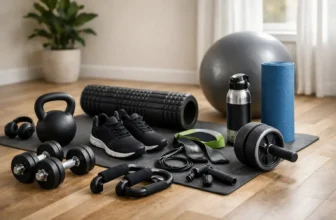
If you’re building a home setup, the same principle applies: a supplement won’t outperform a consistent plan with equipment that matches your goals. Adjustable dumbbells, a solid bench, a kettlebell, and a simple progression can change your physique faster than chasing a new capsule every month.
Safety and “red flag” situations
Testosterone boosters are not automatically risk-free because they’re over-the-counter. If you have a medical condition, take medications, or have a history of hormone-sensitive issues, get medical guidance first.
Also pay attention to how you feel. If a product makes you jittery, worsens sleep, spikes irritability, or causes digestive issues, it’s not a “push through it” scenario. The whole point is better training and better life, not white-knuckling your way through a supplement.
And if you’re experiencing symptoms like consistently low libido, erectile dysfunction, depression, significant fatigue, or unexplained strength loss, don’t self-diagnose with a shopping cart. Get labs and a professional read.
The FitwellGoods way to shop this category
If you’re going to try a testosterone booster, shop it like you shop training gear: pick what matches the goal, avoid gimmicks, and track what changes. At FitwellGoods, it’s easiest to compare options by outcomes – training support, recovery, weight management, and men’s performance – and build a simple stack that doesn’t fight your sleep or your budget.
A deal is only a deal if it moves you forward. The best “booster” is the one that fits your routine so well you actually take it consistently.
So, do testosterone boosters work?
They can work, especially if they’re correcting a real constraint like low vitamin D, low zinc, poor sleep, or stress overload. They usually don’t work like a shortcut around training, recovery, and nutrition. If you treat them as support – and you run the basics like your results depend on it – they can be a smart add-on rather than a frustrating experiment.
Your next best step is simple: commit to two weeks of perfect basics, then choose one supplement change at a time. Momentum loves clarity, and clarity is what turns “maybe” into measurable progress.




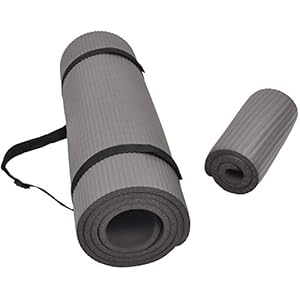




%20–%20Heavy%20Duty%20Premium%20Soft%20Suede%20Cool%20Touch%20Feel%20–%20Absorbent%20Microfiber%20–%2072%20in%20x%2026.5%20in%20–%20Large%20Yoga%20Towel%20for%20Hot%20Yoga%20–%20320GSM&url=https://fitwellgoods.com/shop/yoga/yoga-towels/6ft-large-hot-yoga-mat-towel-for-72-or-84-mats-heavy-duty-premium-soft-suede-cool-touch-feel-absorbent-microfiber-72-in-x-26-5-in-large-yoga-towel-for-hot-yoga-320gsm/&media=https://m.media-amazon.com/images/I/41H1SNF63JL._SS1024_.jpg)


&url=https://fitwellgoods.com/shop/speed-agility/sports-reaction-balls/gsi-bounce-reaction-balls-for-agility-reflex-and-coordination-training-72-mm/&media=https://m.media-amazon.com/images/I/31PP0chj8PL._SS1024_.jpg)


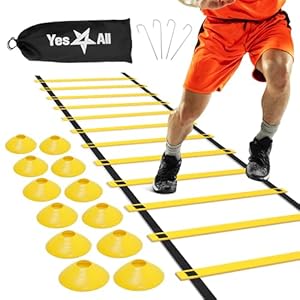
%20with%20Ground%20Stakes%20for%20Soccer%20Football%20Footwork%20Training%20–%20Ladder%20with%20Carry%20Bag%20–%20Yellow&url=https://fitwellgoods.com/shop/speed-agility/sports-agility-ladders/sportneer-agility-ladder-speed-training-set-12-rungs-20ft-detachable-exercise-ladders-in-2pcs-6-rungs-each-with-ground-stakes-for-soccer-football-footwork-training-ladder-with-carry-bag-yellow/&media=https://m.media-amazon.com/images/I/41IJvVliamL._SS1024_.jpg)


