A bike can look like a bargain on a product page and still become the most expensive place to hang laundry. The exercise bike reviews worth trusting do more than praise a bright screen or a low sale price. They tell you whether the ride feels stable, the resistance responds when training gets hard, and the bike fits the routine you can actually maintain.
For a home-gym upgrade that delivers real results, shop from your goal backward. A beginner building consistency needs a different machine than a rider chasing hard intervals before work. The right choice is not always the most loaded model. It is the one you will want to use three, four, or five days a week.
How to Read Exercise Bike Reviews Like a Smart Shopper
The fastest way to get misled is to focus on the star rating alone. A five-star review from someone who has owned a bike for two days says very little about durability, comfort, or service. Look for patterns across detailed reviews, especially from people who describe their height, training style, living space, and how long they have used the bike.
Start with the reason the reviewer bought it. Someone using a bike for easy, low-impact movement while watching TV may love a quiet, simple model. That same bike may disappoint a rider who wants to stand, sprint, and push through demanding intervals. Neither review is wrong. The use case is different.
Pay close attention to comments that mention setup, fit, noise, and long-term performance. These are the details that affect your routine after the excitement of delivery day wears off. Reviews that explain what changed after 30, 60, or 90 days are usually more useful than reviews written immediately after unboxing.
Also separate product concerns from delivery problems. A damaged box or delayed shipment deserves attention, but it does not automatically mean the bike itself is poorly designed. On the other hand, repeated reports of loose pedals, wobbling frames, squeaks, failing displays, or resistance problems deserve a closer look.
Match the Bike Type to Your Training Goal
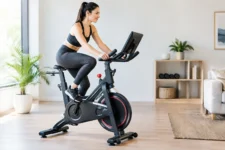
An upright exercise bike offers a familiar, compact riding position and works well for general cardio, warmups, steady rides, and interval sessions. It is a practical choice when you want a smaller footprint without giving up an active cycling feel. Most home exercisers will find an upright bike easier to integrate into a living room, bedroom, or dedicated workout corner.
Recumbent bikes place you in a reclined position with back support. They are often a smart pick for people prioritizing comfort, joint-friendly movement, or longer low-intensity sessions. If you are returning to exercise, managing back discomfort, or simply want a less aggressive posture, a recumbent style can remove barriers that keep workouts from happening.
Indoor cycling bikes are built for riders who want a more athletic experience. They typically support a forward-leaning posture, higher-intensity efforts, and seated or standing climbs. A heavier flywheel and solid frame can create a smoother, more confident ride, but these bikes may take up more space and require more attention to saddle and handlebar adjustment.
There is no universal winner. A compact upright bike can be the better value if it gets used daily. A feature-rich cycling bike earns its price when its resistance range, stability, and programming keep your training progressing instead of plateauing.
What Matters Most Before You Buy
Resistance and ride feel
Resistance determines whether your bike can grow with you. Magnetic resistance is popular for home use because it is typically quiet, smooth, and low-maintenance. That matters if you train early, share walls with neighbors, or want to ride while someone else is working nearby.
Friction resistance can create a more traditional road-bike feel and may appeal to hard-charging indoor cyclists. The trade-off is that it can be louder and may require more maintenance over time. Reviews should tell you whether resistance changes feel gradual and controlled or jumpy and inconsistent.
Look beyond the number of resistance levels. A bike with fewer well-spaced levels can feel better than one with dozens of settings that do not create meaningful differences. If you want progressive overload, the top end needs to be challenging enough for your current fitness level and your next stage of training.
Adjustability and fit
A bike that does not fit you will not feel like a deal. Check the listed user height range, maximum weight capacity, inseam guidance when available, and whether the seat adjusts both vertically and horizontally. Handlebar adjustment is especially valuable for households where more than one person will use the bike.
Reviewers often reveal fit issues product specifications miss. A shorter rider may explain that the lowest seat setting is still too high. A taller rider may note cramped knee position or limited handlebar reach. These details are more meaningful than a generic claim that a bike is suitable for everyone.
Do not overlook the saddle. A firm seat is common on performance-oriented bikes and does not always signal poor quality. Still, if many reviewers report numbness or discomfort after short rides, plan for a compatible padded cover or consider a model designed for a more relaxed posture. Comfort is not a luxury feature when it determines whether you continue training.
Stability, capacity, and footprint
A stable bike lets you focus on effort rather than balance. Read reviews for mentions of rocking during faster pedaling, out-of-saddle riding, or high resistance. This matters most for indoor cycling styles, but every rider benefits from a solid frame and wide base.
Measure the intended space before you buy, including room to mount, dismount, and adjust the seat. A compact footprint is useful, but it should not mean a cramped, shaky ride. If you expect to move the bike, transport wheels can make a real difference, particularly on hard floors.
Weight capacity is also more than a number on a spec sheet. Choosing a bike with a capacity comfortably above your body weight can support a steadier, more secure feel. If multiple household members will ride, shop for the needs of the tallest, heaviest, and most active user, not only the first person who wants it.
Console, programs, and connected features
A basic console that tracks time, speed, distance, and estimated calories may be all you need for steady cardio. It is simple, less distracting, and often more budget-friendly. For many people, pairing that data with a phone timer, playlist, or fitness watch creates a perfectly effective training setup.
Built-in workouts, heart-rate tracking, app compatibility, and large displays can add variety and accountability. They can also raise the price and create another system to manage. Before paying for a screen, ask whether you genuinely use guided classes and performance metrics or whether you mostly need a dependable bike and a clear plan.
When reading reviews of connected bikes, look for comments about subscription requirements, app reliability, Bluetooth pairing, screen responsiveness, and whether core functions work without a paid membership. Premium features should motivate your workouts, not complicate them.
Watch for These Review Red Flags
One negative review does not make a product a bad buy. Repeated complaints about the same issue are different. Treat these patterns as signals to investigate further:
- Pedals, crank arms, or seat posts that loosen repeatedly after proper assembly.
- Resistance that fails to change smoothly or stops working within the first few months.
- A frame that wobbles during normal riding on a level floor.
- Customer support concerns that appear consistently after mechanical problems or missing parts.
Balance red flags against the total number of credible reviews. A popular bike may have more complaints simply because more people own it. What matters is the frequency, severity, and response to the issue. A few assembly questions are normal. A recurring safety or durability problem is not.
Get More From Your Exercise Bike Investment
The best bike purchase often supports more than cardio. Place a foam roller or stretching mat nearby for a quick cooldown. Keep a water bottle, supportive training shoes, and a small towel within reach. If fat loss is your focus, combine regular rides with a nutrition routine you can follow consistently rather than relying on a single intense session each week.
For strength-focused training, use easy rides as a warmup before dumbbell workouts or add short recovery spins on rest days. For busy professionals, a 20-minute interval ride can be more realistic than waiting for a perfect hour-long workout. Progress comes from repeatable effort, not from owning the most complicated machine.
FitwellGoods makes it easier to build around that routine with home cardio equipment, workout essentials, recovery tools, and wellness picks in one place. Watch for Today’s Highlights and limited-time savings when you are ready to pair your bike with the gear that keeps your momentum going.
Choose the bike that suits your body, space, and honest schedule, then give it a permanent place in your week. A dependable ride that you use often will always beat an impressive model that never leaves the corner.