
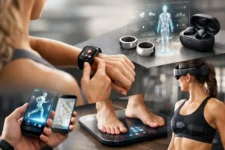
If your watch says you are recovered but your legs say absolutely not, you already know where fitness tracking trends 2026 are headed. More data is not the win anymore. Better data, clearer coaching, and faster decisions are what people actually want – especially if you are juggling work, home workouts, gym sessions, and a real budget.
That shift matters because most active people are not short on metrics. They are short on confidence about what to do next. The best tracking tools in 2026 are moving away from raw numbers and toward practical guidance you can use before a workout, after a bad night of sleep, or during a fat-loss phase when energy and recovery can get tricky.
Fitness tracking trends 2026 buyers should watch
The big story is simple: tracking is becoming more useful across the whole routine, not just during exercise. That includes sleep, stress, hydration, body composition, recovery, and even how well your setup at home supports consistency. For shoppers, that means the smartest buys may not always be the flashiest wearable. Sometimes the better move is pairing a decent tracker with stronger recovery habits, more reliable equipment, and a routine you can stick with.
1. Recovery scores are getting more personal
Recovery has been a buzzword for years, but 2026 tools are getting sharper about what recovery actually means for the individual. Instead of generic readiness scores, newer platforms are combining sleep quality, resting heart rate, heart rate variability, training load, and even cycle-related changes for women to give more personal recommendations.
That is useful, but there is a trade-off. A recovery score can help you avoid forcing a hard interval day when your system is clearly under strain. It can also make some people overreact to every dip in a metric. If you are training for performance, context still matters. A slightly low score does not always mean skip the workout. It may just mean adjust volume, lower intensity, or prioritize steady-state cardio over max effort.
For home-gym users, this trend supports smarter equipment use. A rower, bike, or treadmill is even more valuable when your tracker can steer you between hard sessions and lower-impact work instead of pushing one speed all week.
2. Wearable-free tracking is growing fast
One of the most interesting fitness tracking trends 2026 is the rise of tracking that does not depend on wearing a device 24/7. Smart scales, connected cardio machines, app-based camera motion analysis, and sleep sensors placed under the mattress are giving people another way to collect useful data without always charging another band or watch.
This is especially appealing for people who hate sleeping with a wearable or do not want wrist-based tracking during lifting. Wrist trackers still struggle with some strength sessions, kettlebell work, gripping exercises, and certain forms of interval training. Wearable-free tools can fill the gap by capturing trends across body weight, sleep patterns, and workout output from the equipment itself.
The catch is accuracy can vary by product and by use case. Camera-based rep counting may work well for controlled movements and less well for crowded garage-gym setups or poor lighting. The practical move is to look for tools that reduce friction. The best tracker is often the one you will actually use for six months, not the one with the longest feature list.
3. Strength training data is finally getting better
For years, tracking favored runners, cyclists, and people chasing step counts. That is changing. In 2026, strength-focused users are getting more attention through better rep detection, velocity tracking, rest-period coaching, and training load estimates that reflect resistance work more realistically.
This is a big deal for anyone building muscle, cutting body fat, or balancing hypertrophy with cardio. If you lift four days a week, a simple step total tells you almost nothing about your progress. Better strength tracking can help you spot plateaus, see if volume is climbing too fast, and understand whether your recovery tools and nutrition plan are actually supporting output.
Still, not every lifter needs advanced metrics. If you are a beginner, consistent logging, progressive overload, and enough protein will move the needle more than obsessing over bar speed. If you are more experienced, then deeper analytics can earn their keep. It depends on your goal and how much complexity you are willing to manage.
4. Nutrition tracking is merging with performance data
Calories in and calories out is not dead, but 2026 is pushing a more connected view. Fitness apps and wearables are increasingly tying nutrition habits to recovery, training intensity, sleep, and body composition trends. Instead of treating food logs as a separate chore, platforms are starting to show how underfueling affects next-day output or how late-night eating may hit sleep quality.
That matters because many people are not failing from lack of effort. They are under-recovering, under-eating around hard sessions, or using supplements without a clear purpose. Better connected tracking can help you decide whether you need more protein, a better pre-workout routine, more electrolytes, or improved evening recovery support.
This is where a one-stop shopping mindset makes sense. If your data shows you are dragging through workouts and missing recovery targets, the answer might be a mix of smarter fuel, more sleep support, and recovery accessories rather than just another device. Data is only valuable when it changes what you buy and how you train.
5. Stress tracking is becoming a training tool, not just a wellness feature
Stress used to live in the wellness tab. Now it is becoming part of training decisions. That is one of the more practical fitness tracking trends 2026 because daily stress has a direct effect on intensity tolerance, cravings, sleep quality, and workout consistency.
A stressful workweek can make a normal lifting session feel much harder. It can also increase the chance that you skip training entirely because your routine is too rigid. Smarter trackers are starting to account for that by suggesting lower-intensity sessions, mobility work, shorter cardio blocks, or active recovery when your system is overloaded.
This does not mean every high-stress day should become a rest day. Sometimes movement improves stress. But if your tracker keeps flagging poor sleep, elevated resting heart rate, and declining output, that is useful information. It may be time to rotate in easier sessions, use recovery tools more aggressively, or tighten up your nighttime routine.
6. AI coaching is getting more actionable
The AI layer is not just about flashy chat features. The better use case is turning scattered health and workout data into a simpler plan. In 2026, expect more trackers to act like a practical coach: adjust today’s session, flag patterns, recommend recovery focus, and point out when your goals and habits are not lining up.
When it works, this saves time and cuts decision fatigue. That is huge for busy adults who want progress without spending half an hour interpreting charts. The downside is that AI advice is only as good as the data going in. If your sleep data is spotty or you never log strength sessions accurately, the recommendations can get weak fast.
So the opportunity is not blind automation. It is useful automation. The best platforms will make the next action obvious, whether that means shortening your run, increasing incline walking, taking a lighter upper-body day, or prioritizing recovery nutrition post-workout.
7. The best setups will combine tracking with environment
Here is the trend that matters most for results: people are starting to realize that a tracker alone does not build consistency. Your environment does. If your watch tells you to train but your shoes are shot, your dumbbells are too light, and your sleep setup is a mess, the data will not save you.
That is why 2026 is favoring complete systems over isolated gadgets. A connected bike paired with a heart-rate monitor and recovery routine can create momentum. Adjustable dumbbells plus smarter strength tracking can keep progressive overload moving. Better activewear, recovery tools, and goal-specific nutrition can make it easier to stick with the habits your tracker is highlighting.
For shoppers, this is good news. You do not need the most expensive wearable to upgrade your routine. You need a setup that makes action easier. That might mean comparing a few trackers, then putting the rest of the budget into home-gym gear, recovery support, or supplements that actually fit your goal.
What to buy based on fitness tracking trends 2026
If you are choosing where to spend next, think in terms of bottlenecks. If consistency is your problem, prioritize low-friction tracking and equipment you will use often. If recovery is your weak point, look at sleep support, foam rollers, massage tools, hydration habits, and easier ways to manage training load. If body composition is the goal, tracking works best when paired with structured nutrition and repeatable workouts.
At FitwellGoods, that kind of goal-based thinking is the real advantage. Instead of chasing every new metric, build around what helps you show up, train hard enough, recover well, and keep going when motivation dips.
The smartest trend for 2026 is not more surveillance of your body. It is better feedback that helps you make the next rep, the next meal, and the next recovery choice count.






&url=https://fitwellgoods.com/shop/yoga/yoga-towels/biolinen-luxury-100-cotton-bath-towels-ultra-soft-highly-absorbent-quick-dry-premium-quality-for-home-spa-hotel-grey-30x60/&media=https://m.media-amazon.com/images/I/51Edu7uYsiL._SS1024_.jpg)
&url=https://fitwellgoods.com/shop/yoga/yoga-mats/gaiam-yoga-mat-premium-6mm-print-extra-thick-non-slip-exercise-fitness-mat-for-all-types-of-yoga-pilates-floor-workouts-68l-x-24w-x-6mm-thick/&media=https://m.media-amazon.com/images/I/41o9n2j2WrL._SS1024_.jpg)


