
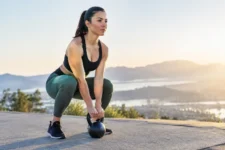
Carrying a full laundry basket upstairs, lifting a suitcase into the car, getting down on the floor with your kids, or powering through a long workday all require more than a strong bicep curl. Functional fitness trains the movements your body uses outside the gym, helping you build usable strength, better balance, mobility, and conditioning that show up where they count.
For busy people building a home gym or looking for workouts with a clear purpose, this style of training is a high-value choice. You do not need a room full of machines or two-hour sessions. You need smart movement patterns, progressive resistance, and gear that matches the way you want to train.
What Functional Fitness Really Means
Functional fitness is training designed around fundamental human movements: squatting, hinging, pushing, pulling, carrying, rotating, and stabilizing. Instead of isolating one muscle at a time, many exercises ask multiple muscles and joints to work together.
A goblet squat, for example, builds leg strength while challenging your core and posture. A kettlebell deadlift teaches a strong hip hinge for lifting objects from the floor. A loaded carry develops grip, shoulder stability, and trunk strength while improving your ability to move under load.
That does not mean traditional strength training or cardio machines have no place. They absolutely do. A dumbbell bench press can build pressing strength, and a treadmill can be an efficient way to improve endurance. Functional training simply puts the focus on how your strength, mobility, and conditioning work together.
The best plan depends on your starting point. Beginners may need to master bodyweight control before adding external load. Experienced lifters can use functional movements to improve athleticism, address weak links, or make their training less repetitive. The common goal is simple: move well, then get stronger at moving well.
Why Functional Fitness Pays Off Beyond the Workout
The biggest benefit is transfer. Training can feel more rewarding when you notice that everyday tasks take less effort, your posture holds up longer, or you feel more confident moving quickly and changing direction.
Functional workouts also make efficient use of limited time. Compound movements train several areas at once, and circuits can combine strength and cardio without splitting them into separate sessions. That is a practical advantage for professionals fitting workouts between meetings, parents training before the house wakes up, and anyone who wants more from a 30- to 45-minute session.
Balance and coordination are another major part of the picture. Exercises such as step-ups, split squats, single-leg deadlifts, and controlled balance-board drills expose side-to-side differences that bilateral exercises can hide. You do not need to turn every workout into a circus act on an unstable surface. In fact, heavy strength work is usually better performed on stable ground. But adding targeted balance work can make your training more complete.
There is also a mindset benefit. Rather than chasing a random sweat session, you can train with a measurable purpose: a cleaner squat, a heavier carry, a longer rowing interval, or better control through a lunge. Small improvements stack up fast when your program has direction.
The Core Movements to Train
A balanced functional fitness routine does not need dozens of exercises. It needs a reliable rotation of movement patterns, performed with good technique and gradually increasing challenge.
Squat and Lunge
Squats and lunges build lower-body strength for sitting, standing, climbing stairs, and changing levels. Start with bodyweight box squats or supported split squats if mobility or balance is limited. As control improves, add dumbbells, kettlebells, or a weighted vest.
Hinge
The hinge is your ability to bend at the hips while keeping a stable spine. Deadlifts, Romanian deadlifts, hip thrusts, and kettlebell swings all fit here, although swings require enough hinge skill to perform safely. This pattern is essential for developing glutes and hamstrings, two powerful drivers of movement.
Push and Pull
Push-ups, overhead presses, and dumbbell floor presses train pushing strength. Rows, band pull-aparts, and pull-down variations develop the opposing pulling muscles. Keeping both patterns in your week supports stronger shoulders and more balanced upper-body development.
Carry and Core Control
Farmer carries, suitcase carries, and front-rack carries are deceptively simple. Pick up a manageable load, stand tall, walk with control, and resist leaning or twisting. Pair carries with planks, dead bugs, or controlled rotational work to train the core as a stabilizer, not just as a source of flexion.
Conditioning and Agility
Your heart and lungs need training too. A rowing machine, exercise bike, treadmill incline walk, battle ropes, or short bodyweight intervals can raise conditioning without requiring complicated choreography. Agility ladders and lateral movement drills are useful additions for people who play sports or want to feel quicker on their feet, but they are optional rather than mandatory.
Build a Functional Fitness Setup That Earns Its Space
A smart home-gym setup starts with versatility, not clutter. Adjustable dumbbells or a set of dumbbells cover squats, presses, rows, lunges, and carries. A kettlebell adds swings, goblet squats, deadlifts, and offset loading. A sturdy bench expands your options for pressing, step-ups, and supported rows.
From there, choose equipment based on the gaps in your routine. Resistance bands are compact and valuable for warm-ups, pulling variations, and travel workouts. A foam roller can support recovery work, especially when tight muscles make movement feel restricted. A cardio machine is worth the investment if weather, schedule, or convenience regularly gets in the way of consistent conditioning.
More equipment is not automatically better. If you are short on space, a pair of adjustable dumbbells, bands, a mat, and one conditioning tool can create a highly effective training zone. If you have a dedicated room, adding a bench, kettlebells, battle ropes, and cardio equipment gives you more ways to progress without making your program complicated.
At FitwellGoods, shopping by goal can make those choices easier: build strength with free weights, improve conditioning with cardio equipment, or support movement quality with recovery tools and functional training accessories. Watch for Today’s Highlights and stack savings when you are ready to build out your setup.
A Simple Three-Day Functional Fitness Plan
Train three nonconsecutive days per week to start. Leave one or two repetitions in reserve on strength sets so you can keep technique clean. If an exercise causes sharp pain, stop and choose a more comfortable variation.
Day 1: Strength foundation. Perform goblet squats, dumbbell floor presses, one-arm rows, and farmer carries. Finish with a short, steady bike ride or incline walk.
Day 2: Hinge and stability. Use kettlebell or dumbbell deadlifts, reverse lunges, overhead presses, and dead bugs. Add a few controlled rounds of battle ropes or rowing intervals if your recovery is solid.
Day 3: Full-body conditioning. Pair step-ups with push-ups, Romanian deadlifts with band rows, and suitcase carries with planks. Keep the pace purposeful, but do not let speed turn good reps into sloppy reps.
Start with two to three sets of 8 to 12 repetitions for most strength exercises. Carries can be performed for 20 to 45 seconds, and conditioning intervals can begin with brief work periods and generous rest. Progress by adding a few pounds, one or two reps, a set, or a little more time. Change one variable at a time so you know what your body is responding to.
Make Recovery Part of the Plan
Functional training works best when recovery is treated as training support, not an afterthought. Sleep, protein intake, hydration, and rest days all influence how well you adapt to your workouts. A protein supplement can be a convenient option when food alone does not help you reach your daily target, but it should complement a balanced eating pattern rather than replace it.
Mobility work can help you maintain comfortable range of motion, especially around the hips, ankles, shoulders, and upper back. Keep it specific. If deep squats feel limited by ankle mobility, spend a few minutes working on the ankles and practice a supported squat. Random stretching is not a substitute for identifying what your movement needs.
Functional fitness is not about doing the flashiest exercise in the room. It is about building a body that feels capable, resilient, and ready for the demands you place on it. Choose a few useful movements, train them consistently, and let your progress turn everyday effort into something that feels a little lighter.


