
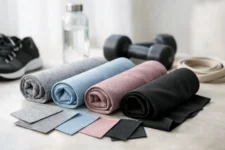
That pair of leggings can look amazing on the hanger and still fail by rep three. If you came here for a real guide to choosing workout leggings fabric, start with this rule: fabric decides comfort, coverage, sweat control, and how confident you feel when the workout gets serious. Style matters, but performance starts with what the leggings are made of.
For most shoppers, the mistake is buying based on appearance alone. A slick finish, trendy color, or hot pick label can grab attention fast, but fabric is what tells you whether leggings will hold up for squats, stay cool on a run, or feel good enough for all-day wear. The smart buy is the one that matches your training style, your comfort preferences, and how hard you expect the leggings to work.
A practical guide to choosing workout leggings fabric
The best fabric is not the most expensive one or the one with the most marketing buzzwords. It is the one that solves the right problem. If you lift heavy, you need support and squat-proof coverage. If you run outdoors, you need moisture management and a lighter feel. If your day includes a workout, errands, and an afternoon at your desk, softness and recovery matter just as much as compression.
Most workout leggings fabrics are blends, not single materials. That is a good thing. Blends let brands combine stretch, shape retention, breathability, and durability. The most common players are polyester, nylon, and spandex, with occasional additions like cotton or modal in more lounge-focused styles.
Polyester is a performance workhorse. It dries quickly, resists shrinking, and usually handles sweat better than cotton-heavy fabrics. Nylon tends to feel smoother, softer, and a little more premium against the skin. Spandex, sometimes labeled elastane, is what gives leggings stretch and snap-back. Without enough spandex, leggings can bag at the knees or lose shape after repeated wear.
That means the label matters more than many people realize. A polyester-spandex blend often works well for high-sweat training. A nylon-spandex blend is usually a strong pick if you want a softer hand feel with performance benefits. Neither is automatically better. It depends on whether your priority is cooling, softness, compression, or durability.
What fabric features matter most
When you are comparing leggings, do not stop at fiber names. Two pairs with similar material labels can feel completely different because of knit structure, thickness, finish, and stretch level.
Stretch and recovery
Stretch is easy to notice. Recovery is what separates a one-month favorite from a pair that keeps performing. Good recovery means the fabric returns to shape after squats, lunges, and washes. If leggings stretch out by the end of the session, the blend may not have enough quality spandex or the knit may be too loose.
If you want a held-in feel, look for medium to high compression. That usually comes from a dense knit with enough spandex to support movement without feeling restrictive. If you prefer freedom and softness, choose a fabric with lighter compression and more flexibility. Neither option is wrong. It comes down to whether you want support or a barely-there feel.
Moisture-wicking and breathability
Sweat happens. The fabric should help you manage it. Moisture-wicking materials pull sweat away from the skin so it can evaporate faster. That does not mean you will stay dry in every workout, especially in hot studios or long runs, but it does mean you are less likely to feel soaked and weighed down.
Breathability is different from wicking. A fabric can wick moisture but still feel warm if it is dense and thick. For HIIT, spin, running, or heated classes, lighter fabrics with strong airflow usually feel better. For cooler weather, a slightly heavier knit can be a win because it gives coverage and warmth without needing bulk.
Thickness and squat-proof coverage
A fabric can feel soft and stretchy but still turn sheer under pressure. That is why thickness matters. For lifting, glute work, and any training with deep bends, you want enough density to stay opaque when stretched. This is one of the biggest reasons shoppers return leggings, and it is worth taking seriously.
Still, thicker is not always better. Thick fabric can feel secure, but it may run hot during cardio. Thin fabric can feel light and freeing, but it may show sweat faster or lose confidence points in bright lighting. The sweet spot is enough coverage for your movement style without making the leggings feel heavy.
Surface feel and friction
The way fabric feels on the skin changes the whole experience. Some leggings have a slick, performance finish that glides during movement and can be great for high-output sessions. Others have a brushed or peach-soft texture that feels cozy and flattering for lower-impact training or everyday wear.
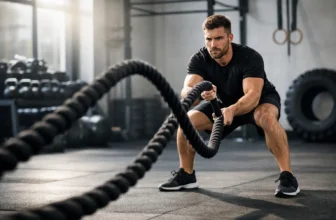
There is a trade-off here. Super-soft brushed fabrics can pill faster if they see a lot of friction from machines, rough benches, or frequent washing. Smoother performance fabrics often hold up better under tough training. If your leggings are going to see battle ropes, barbell knurling, or regular cardio sessions, durability may matter more than that ultra-soft first impression.
Best fabrics by workout type
For running and cardio
Look for lightweight polyester-spandex or nylon-spandex blends with strong moisture control. You want stretch, fast drying, and a fabric that does not feel heavy once you start sweating. A smooth finish can also help reduce friction on longer runs.
For strength training
Choose medium to thick fabric with reliable compression and strong recovery. Nylon-spandex blends often shine here because they can feel supportive without being stiff. If squats, deadlifts, and lunges are in the plan, coverage matters more than an ultra-light feel.
For yoga and Pilates
Softness and flexibility usually matter most. A brushed nylon-spandex blend or a smooth, lighter compression fabric can move well with your body and stay comfortable through stretches and floor work. You do not always need maximum compression for these sessions unless that is your personal preference.
For all-day wear
If your leggings need to handle a morning workout and the rest of your schedule, go for balanced fabric. Medium weight, moderate stretch, and a smooth or lightly brushed finish tend to perform best. This is the sweet spot for shoppers who want one pair to do more.
The fabric red flags shoppers miss
One common mistake is focusing only on the percentage of spandex. More is not always better. High spandex content can help with stretch, but if the base fabric is poor quality or the knit is too thin, the leggings can still feel flimsy.
Another red flag is buying cotton-heavy leggings for intense training. Cotton is soft and familiar, but it tends to absorb and hold moisture. For a walk or casual wear, that may be fine. For hard workouts, it can feel heavy and slow to dry.
Watch for leggings that feel amazing when standing still but shift during movement. Slipping, bunching, or rolling waistbands can be partly about construction, but fabric plays a role too. If the material lacks recovery or the finish is too slick for the fit, you may spend the whole workout adjusting.
How to shop smarter without overthinking it
A good guide to choosing workout leggings fabric should make decisions easier, not harder. Start with your main use case. If you train hard and sweat a lot, prioritize moisture management and durability. If your workouts are lower impact and comfort is king, softness and flexibility should lead. If you want one pair for everything, aim for a medium-weight blend with dependable stretch and coverage.
Then think about your non-negotiables. Some shoppers hate high compression. Others will not buy leggings unless they feel locked in. Some want a silky finish that looks sleek in and out of the gym. Others want that soft, second-skin feel. Knowing your preferences cuts through a lot of noise.
It also helps to think in terms of value, not just price. A cheaper pair that loses shape quickly is not a deal. A slightly better fabric that keeps its fit, coverage, and comfort through repeated workouts usually earns its place fast. That is especially true if you train multiple times a week and need gear that keeps up.
If you are building out your activewear rotation, variety can actually be the better play. One pair for high-sweat cardio, one for lifting, and one for recovery days makes more sense than expecting a single fabric to dominate every scenario. That is the kind of upgrade that saves frustration and helps every workout feel more dialed in.
At FitwellGoods, that performance-first mindset is what separates random activewear buys from real progress picks. When your leggings match the work you do, you spend less time adjusting, second-guessing, or replacing them – and more time chasing the next rep, mile, or personal best.
The right fabric is not the flashiest detail, but it is the one you feel every minute of the workout. Choose for the way you train, trust what feels good in motion, and let comfort become one more advantage you do not have to think about.


%20Speed%20Hurdles&url=https://fitwellgoods.com/shop/speed-agility/sports-speed-hurdles/therapists-choice-set-of-5-adjustable-height-8-and-12-height-adjustable-speed-hurdles/&media=https://m.media-amazon.com/images/I/51gauJxEJQL._SS1024_.jpg)


%20–%20Soft%20Feel,%20Highly%20Absorbent,%20Quick%20Drying%20for%20Body,%20Sport,%20Yoga,%20SPA,%20Fitness%20–%20Brown&url=https://fitwellgoods.com/shop/yoga/yoga-towels/orighty-microfiber-bath-towels-pack-of-227-x-54-soft-feel-highly-absorbent-quick-drying-for-body-sport-yoga-spa-fitness-brown/&media=https://m.media-amazon.com/images/I/51iGjtXtS4L._SS1024_.jpg)

