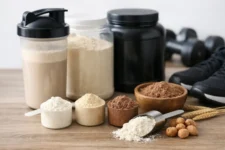
Standing in front of a protein shelf can feel like a test you forgot to study for. This guide to protein powder types cuts through the noise fast, so you can match the tub in your cart to your actual goal – muscle gain, easier recovery, better satiety, or a simpler way to hit your daily protein target.
The big mistake is treating all protein powders like they do the same job. They all help you increase protein intake, yes, but the source, digestion speed, texture, amino acid profile, and how they fit your routine can make one powder feel like a great buy and another like wasted money. If you want better results and fewer half-used tubs shoved to the back of the pantry, the type matters.
A practical guide to protein powder types
Think of protein powder as a tool, not a magic fix. If your training is inconsistent, your calories are way off, or you are barely sleeping, no scoop will clean that up. But if you already train, stay active, or simply need a convenient nutrition upgrade, the right powder can make your plan much easier to stick with.
For most shoppers, the main categories are whey, casein, plant-based blends, soy, egg white, and collagen. Each one has a clear lane. The best pick depends on whether you care most about muscle building, digestion, dairy avoidance, meal support, or convenience on a packed schedule.
Whey protein
Whey is the best-known option for a reason. It digests quickly, mixes easily, and is naturally rich in essential amino acids, especially leucine, which plays a key role in muscle protein synthesis. If your goal is post-workout recovery or building lean muscle, whey is usually the first place to look.
There are a few forms of whey, and the label matters. Whey concentrate is usually the most affordable and often tastes the best, but it may contain more lactose and a bit more fat and carbs. Whey isolate is more filtered, so it generally has higher protein by weight and less lactose, which can work better for people with mild dairy sensitivity. Hydrolyzed whey is pre-broken down for faster digestion, but it often costs more and can taste a little more bitter.
Whey works well if you want a straightforward shake after lifting, a fast protein hit between meetings, or an easy add-in for smoothies and oats. The trade-off is simple: if dairy does not agree with you, even a high-quality whey may not be your best move.
Casein protein
Casein comes from milk too, but it behaves differently from whey. It digests more slowly and forms a thicker texture, which can help with fullness. That makes it popular as a nighttime protein or as part of a meal replacement style shake when you want something that sticks with you longer.
If you are trying to support muscle retention during a calorie deficit, casein can be especially useful because it helps stretch satiety. It is not necessarily better than whey overall – just different. If you hate thick shakes or want something very light right after training, casein may not be your favorite. If you want something more satisfying during a cut, it can be a smart pick.
Plant-based protein
Plant protein has improved a lot. Older formulas were notorious for chalky texture and weak flavor, but many newer blends are much better. The most common sources are pea, rice, hemp, pumpkin seed, and blends that combine multiple sources to improve the amino acid profile.
For anyone avoiding dairy, following a vegan diet, or wanting variety in their nutrition stack, plant protein is a strong option. The biggest detail to watch is whether it is a single-source protein or a blend. Pea protein on its own is solid, but a pea-and-rice blend often gives a more complete amino acid profile and a better muscle-supporting setup.
Plant powders can be a great daily driver, especially if digestion is a priority. The trade-off is that some formulas still have a grittier texture than whey, and not every plant powder delivers the same protein quality per scoop. A flashy label does not always mean a better formula, so the ingredient panel matters.
Soy protein
Soy sits in an interesting middle ground. It is plant-based, but unlike many plant proteins, it is considered a complete protein on its own. That makes it a practical option for shoppers who want a non-dairy powder without relying on a blend.
Soy protein usually mixes better than some seed-based powders and can work well for muscle support, meal supplementation, and general high-protein eating. Some people avoid soy for personal dietary reasons, and others do just fine with it. This is one of those it-depends categories. If soy fits your diet and you want a simple plant option with strong protein quality, it deserves a look.
Egg white protein
Egg white protein is often overlooked, which is a mistake. It is naturally dairy-free, high in protein, and a good complete protein source. It can be a strong choice for people who cannot tolerate whey but still want animal-based protein.
Texture and flavor are where opinions split. Some egg white powders mix cleanly, while others can get foamy or have a slightly eggy aftertaste. If you want a break from dairy-based products and you do not need a vegan formula, egg white protein can be a very effective middle option.
Collagen protein
Collagen has become a hot pick in wellness circles, but it needs a little honesty. It is protein, but it is not the same kind of muscle-building protein as whey, casein, soy, or egg. Collagen is not a complete protein, so it should not be your main protein powder if your priority is maximizing muscle growth or post-workout recovery.
Where collagen can fit is joint support, skin-focused wellness routines, or adding extra protein to coffee, smoothies, or recipes without a heavy texture. It is useful, but it is not a replacement for a full-spectrum protein source. If your training goal is strength or body recomposition, collagen works better as an add-on than your main scoop.
How to choose in this guide to protein powder types
Start with your real goal, not the trendiest label. If you are lifting hard and want efficient recovery, whey isolate or a well-made whey concentrate is hard to beat. If you are cutting and want something more filling, casein makes sense. If you want dairy-free performance support, look at plant blends, soy, or egg white depending on your diet.
Next, think about digestion. A technically great protein powder is still the wrong pick if it leaves you bloated or makes you dread drinking it. Mild lactose sensitivity may push you toward whey isolate instead of concentrate. Full dairy avoidance usually means plant, soy, or egg white. Sensitive stomach? Simpler formulas with fewer fillers and sugar alcohols are often worth the extra attention.
Then check how you will actually use it. A powder that tastes great in water may behave very differently in oatmeal or baking. A thick protein might be perfect for pudding-style snacks but frustrating in a quick shaker bottle between errands. Convenience matters because consistency matters.
Price also deserves a realistic look. The cheapest tub is not always the best deal if the serving size is huge, the protein per scoop is low, or the taste is so bad you stop using it. On the other hand, the most expensive formula is not automatically better. Smart shoppers compare protein grams, ingredient quality, servings per container, and fit for their goal. That is where a deal becomes a real win.
What labels should you watch?
You do not need to memorize every line on the container, but a few details can save you from a bad buy. Look at protein per serving first. Then check the protein source, added sugars, artificial sweeteners if you are sensitive to them, and whether the formula includes extras like digestive enzymes, greens, or recovery ingredients.
Those extras are not always bad, but they can distract from the main job. If you are buying protein powder, protein should be the point. A simpler formula is often easier to evaluate and easier to fit into your routine.
The best protein powder type for common goals
For muscle gain, whey is still the go-to for most people because it is convenient, effective, and easy to use after training. For weight management, casein or a thicker plant blend can help with fullness. For dairy-free recovery, plant blends, soy, and egg white all have a strong case. For wellness-first routines, collagen can earn a spot, just not as your only protein source.
If you are a beginner, do not overcomplicate it. Pick one type that fits your diet, buy a flavor you will actually want to drink, and use it consistently for a few weeks. The best protein powder is the one that supports your routine without creating friction.
For busy shoppers building a smarter nutrition setup, the easiest win is to stop chasing hype and start buying for function. FitwellGoods makes that process easier by bringing performance staples, recovery support, and goal-driven nutrition into one place, so you can shop with purpose instead of guessing.
Your next scoop should solve a problem. Maybe it helps you recover faster, hit your macros on hectic days, or stay fuller when you are trimming calories. Buy for that result, and protein powder stops being confusing fast.