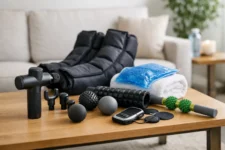
You can train hard all week, hit your steps, nail your protein, and still feel flat if recovery is the weak link. That is why a real guide to recovery tools at home matters – not as a luxury setup, but as a smarter way to stay consistent, reduce soreness, and get more from every workout.
For most people, home recovery works best when it solves one of three problems. You are either too sore to train well, too tight to move well, or too run down to bounce back between sessions. The right tools can help, but not every trending item deserves a spot in your cart. Some are worth it right away. Others only make sense if your training style, schedule, or budget lines up.
What a good guide to recovery tools at home should actually help you do
Recovery is not one single feeling. It is tissue tolerance, joint mobility, nervous system downshift, sleep quality, hydration, and your ability to perform again without dragging through the session. That is why the best home setup is not necessarily the biggest one. It is the one that matches how you train.
If you lift heavy four days a week, your recovery needs may center on muscle soreness, stiffness, and sleep support. If you run, cycle, or use cardio machines regularly, you may care more about calves, feet, hips, and managing repetitive tightness. If you are new to training, recovery often means building habits that keep you from quitting after a rough week.
The biggest mistake is buying tools that all do roughly the same thing. A massage gun, foam roller, and massage ball can overlap. That does not mean they are interchangeable, but it does mean you should know what role each one plays before stacking your setup.
Start with the recovery tools that give the most value
If you want the highest return without overcomplicating things, start with a foam roller, a massage ball, and a supportive mobility mat. That combination covers broad muscle work, targeted pressure, and floor-based stretching or breathing work. For many home gym users, that is enough to build a solid routine.
A foam roller is the best first buy because it handles large muscle groups quickly. Quads, glutes, upper back, hamstrings, and lats respond well when you want general pressure and a simple way to loosen up before or after training. It is not magic, and it will not fix pain with one session, but it is reliable, affordable, and easy to use consistently.
A massage ball is where you get more precise. It works especially well on the feet, calves, glutes, pecs, and the smaller spots a roller misses. If your soreness tends to collect in one stubborn area, the ball often gives better value than buying a bigger tool with more hype.
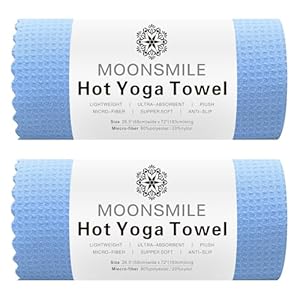
A mat sounds basic, but it matters more than people think. If your floor recovery routine feels uncomfortable, you are less likely to do it. A decent mat makes stretching, light mobility, core reset work, and even post-workout breathing easier to stick with.
When a massage gun is worth it
Massage guns are one of the most popular recovery buys for a reason. They are fast, convenient, and useful when you want targeted relief without spending twenty minutes on the floor. For busy professionals or anyone squeezing training around work and family, that speed matters.
They tend to work best for localized muscle tightness rather than whole-body recovery. Think calves after incline walking, shoulders after pressing, or glutes after lower-body days. They are also easier for people who dislike the discomfort of foam rolling.
The trade-off is cost. If your budget is tight, a foam roller and massage ball often cover more ground for less money. Massage guns are a strong upgrade, not always the smartest first purchase. They also require some judgment. More pressure is not always better, and using them aggressively on sensitive areas can leave you feeling worse, not better.
Compression, heat, and cold – useful, but situational
This is where recovery shopping can get noisy. Compression gear, heating pads, ice packs, and contrast tools all have a place, but they are not equally useful for everyone.
Compression sleeves or boots can feel great after long runs, high-volume leg training, or travel. They may help your legs feel fresher, especially if you spend a lot of time sitting after workouts. But if you are a casual lifter training three times a week, they may not move the needle enough to justify a premium spend.
Heat is often the better at-home option for general stiffness. A heating pad before mobility work or on a tight lower back can help you relax and move more comfortably. Cold is more individual. Some people like it for acute flare-ups or post-event soreness, while others find it blunts the feel-good part of training recovery. It depends on your goal. If you need to calm irritation, cold may help. If you need to loosen up and unwind, heat often wins.
Small tools that pull big weight
The best recovery setups usually include a few compact items that do a lot. Resistance bands are a strong example. They are not just for workouts. They can support joint prep, shoulder mobility, hip activation, and light recovery sessions on days when full training is off the table.
A lacrosse-style massage ball or mobility peanut can also earn a permanent place in your routine. These are ideal for upper back tension, glute knots, and foot care, especially if you stand a lot or do high-volume cardio.
Then there is the category people skip because it is less exciting – hydration and recovery nutrition support. If your training leaves you depleted, no manual tool is going to make up for poor hydration, low protein intake, or weak sleep habits. Recovery powders, electrolytes, and protein products can be practical add-ons if they make it easier to hit your targets consistently. The flashy tool gets attention, but the boring basics are often what keep progress moving.
How to build your home recovery setup by training style
If strength training is your priority, go for tools that reduce muscle stiffness and help you train through a full range of motion. A foam roller, massage ball, mobility bands, and maybe a massage gun are a strong stack. Add recovery nutrition support if your volume is high or your schedule is packed.
If cardio is your focus, think lower legs first. Feet, calves, hips, and low back tend to take a beating. A massage ball, roller, compression option, and a supportive mat for post-session stretching usually make more sense than loading up on strength-specific recovery gadgets.
If your goal is general fitness and weight management, keep it simple enough to use every week. One or two manual tools, a mat, and a sleep-supportive routine are often better than a drawer full of gear you forget about. Consistency beats variety here.
A smart buying mindset for recovery tools at home
A guide to recovery tools at home should also save you from buying based on trends alone. The best question is not, what looks advanced? It is, what will I actually use three times a week?
Start with one broad-use tool and one targeted tool. Test them for a few weeks. If they become part of your routine, then layer in an upgrade. That could mean a massage gun for convenience, compression for leg-heavy training blocks, or supplements that support sleep and muscle repair.
This is also where deal shopping can work in your favor. Recovery gear makes more sense when you build in stages and watch for smart bundles, category promos, or goal-based picks rather than buying everything at once. For shoppers who want a one-stop setup, FitwellGoods makes that easier because recovery, training gear, and wellness support all sit in the same goal-driven mix.
The routine matters more than the tool
No tool works well if it never leaves the corner. A quick ten-minute routine after training will usually outperform expensive gear used once every two weeks. That routine might be two minutes of breath work, five minutes with a roller or ball, and a few stretches for the muscles you trained. It does not need to feel elaborate to be effective.
Recovery should make your next session better, not turn into another chore. If a tool is too complicated, too uncomfortable, or too expensive for the value it gives you, skip it. The right setup should help you feel looser, recover faster, and stay ready for the next workout without eating up half your evening.
The real win at home is not building a perfect recovery station. It is building one you will actually use when your legs are cooked, your back feels tight, and tomorrow’s workout still matters.