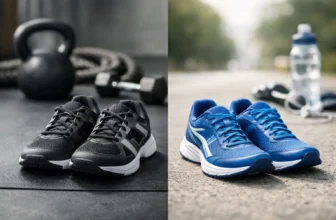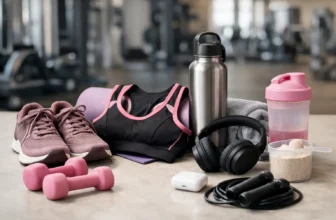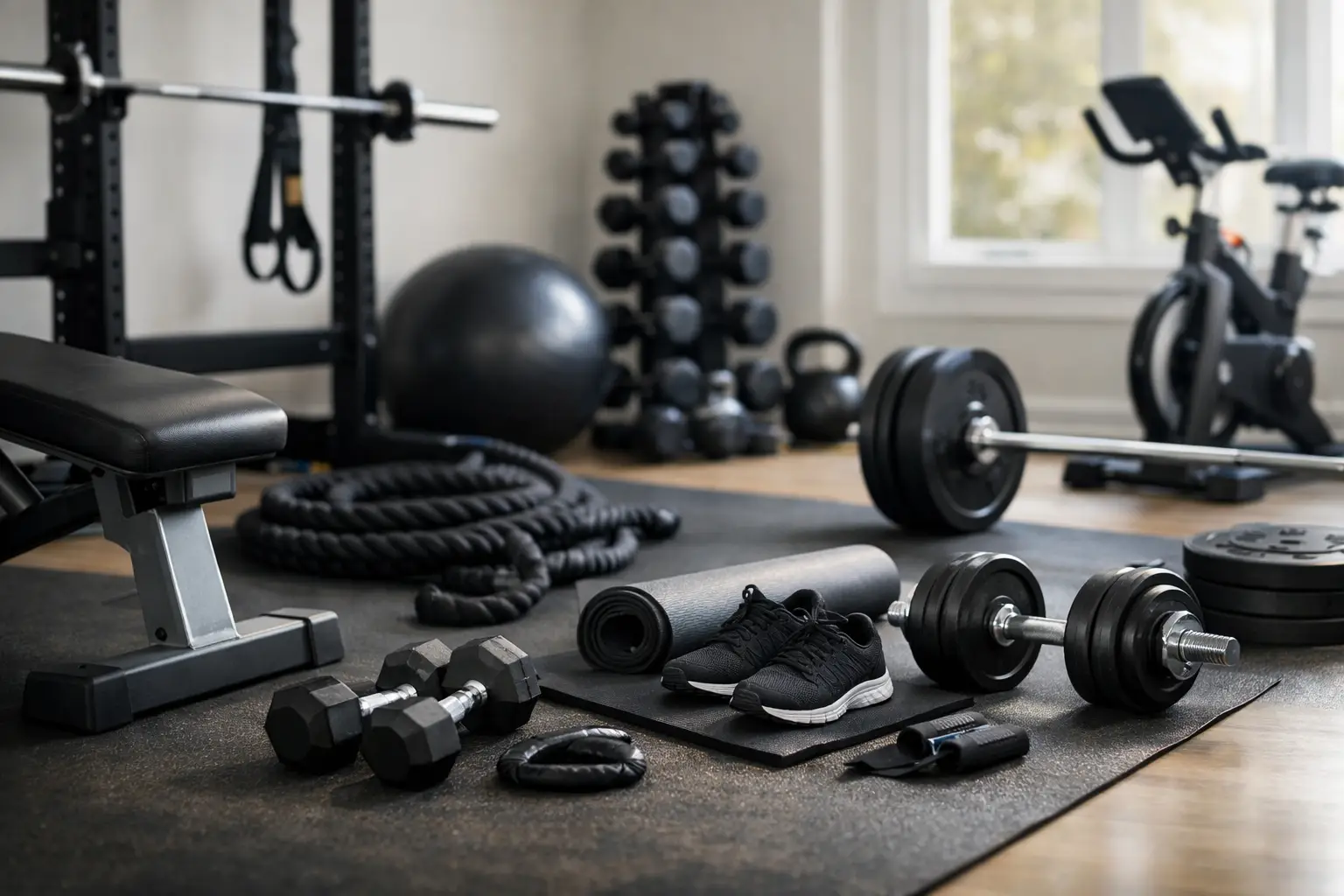
That cheap treadmill that turns into a coat rack? That usually starts with buying for motivation instead of buying for your actual routine. A smart home gym equipment buying guide starts somewhere less exciting but far more useful: your goals, your space, and the gear you will still want to use six weeks from now.
The best home setup is not the one with the most machines. It is the one that removes excuses. If your schedule is packed, your joints are cranky, or your budget is tight, the right equipment can keep progress moving without wasting money on oversized gear or trendy add-ons that collect dust.
Start your home gym equipment buying guide with your goal
Before you compare specs or chase Best Sellers, get clear on what result you want most over the next three to six months. Fat loss, muscle gain, conditioning, recovery, or general consistency all point to different shopping priorities.
If your main goal is calorie burn and cardiovascular health, cardio machines deserve more of the budget. A treadmill makes sense if you like walking intervals, steady runs, or incline work. An exercise bike is usually easier on the knees and quieter in apartments. A rowing machine gives you a strong full-body training effect, but only if you are willing to learn solid form. Ellipticals often work well for people who want lower-impact training and longer sessions without pounding their joints.
If strength and body composition are the priority, start with versatile resistance tools. Adjustable dumbbells, a bench, kettlebells, and resistance accessories can carry a lot of progress before you ever need a larger machine. For many shoppers, this is where the best value lives because one compact setup can cover presses, rows, squats, hinges, carries, and core work.
If consistency is the goal, buy the gear that feels easiest to use on a busy Tuesday night. That may not be the flashiest option, but it is usually the smartest one.
Space decides more than people want to admit
One of the biggest buying mistakes is shopping by aspiration instead of square footage. A machine can look like a Hot Pick online and still be a terrible fit for your room layout.
Measure the footprint, then add clearance space around it. Treadmills and rowers need more room than buyers often expect, not just for use but for safe entry, exit, and storage. Ceiling height matters too, especially if you are tall and plan to use an incline treadmill, do overhead presses, or jump rope.
Shared spaces change the equation. If your gym corner is also your office or guest room, foldable or easy-to-move options matter. Adjustable dumbbells, kettlebells, compact benches, foam rollers, and balance tools can deliver a lot without taking over the house. If noise is a concern, bikes and ellipticals usually create fewer issues than treadmills, and rubber flooring can help protect both your floor and your relationships.
Buy your foundation before your extras
A strong setup is built in layers. Start with the equipment that gives you the most training options per dollar, then add specialized tools once your routine is established.
For strength, the foundation often looks simple: dumbbells, a bench, and maybe a kettlebell or two. That setup supports upper-body training, lower-body work, unilateral movements, and core sessions without needing a dedicated room. Adjustable dumbbells are especially appealing for shoppers who want variety without buying a full rack.
For cardio, one primary machine is usually enough at first. Choose the one you are most likely to use three to five times per week. The machine that matches your body and schedule beats the machine with the longest feature list.
Functional training tools come next. Battle ropes, agility ladders, and balance boards can add athletic variety and conditioning, but they work best after your main training needs are covered. Recovery tools also earn their place quickly. Foam rollers and mobility accessories are not the glamorous purchase, but they often improve how often and how well you train.
Features matter, but only when they change your workout
It is easy to overpay for features you will never touch. Screens, app integrations, built-in programs, pulse sensors, and advanced settings all sound attractive. Sometimes they are worth it. Sometimes they are just expensive decoration.
Ask a simple question: will this feature make me train more often, train better, or make the equipment easier to use? If yes, it may be worth the upgrade. If not, keep moving.
On treadmills, motor quality, stability, speed range, incline capability, and cushioning usually matter more than entertainment extras. On bikes, seat comfort, resistance range, and ride feel are bigger factors than flashy console design. On rowing machines, smooth resistance and build quality matter more than novelty training modes. For benches and strength gear, stability, weight capacity, grip, and adjustment angles are the practical details that affect training every week.
This is where comparison tools become useful. Looking at models side by side helps you filter out marketing noise and focus on what changes real-world use.
Budget for results, not for bragging rights
A smart budget is not about spending the least. It is about spending where performance, durability, and frequency of use justify the price.
If you are building your first setup, put more of the budget into core equipment and less into niche accessories. A reliable bench and quality dumbbells will usually outperform a pile of random low-cost items that do not work together. The same goes for cardio. A well-built bike you enjoy riding is a better buy than a feature-heavy machine that feels awkward every session.
There is also a strong middle ground between entry-level and premium. Many shoppers do not need commercial-grade everything. They need gear that can handle regular training, fit their home, and support progress without frustration. That is where curated collections, compare features, and deal-driven bundles can save time and money.
If you are planning to shop across categories, think in systems. Equipment, flooring, recovery tools, and even training apparel can all affect consistency. A setup that feels complete is easier to use than one that always feels half finished.
Cardio, strength, and recovery should work together
A better home gym does not just help you exercise. It supports the whole routine around your training.
For a lot of adults balancing work, family, and body composition goals, the winning combination is one cardio piece, one strength foundation, and one recovery essential. That might mean an exercise bike, adjustable dumbbells, and a foam roller. For another person, it could be a treadmill, bench, and mobility tools. The exact mix depends on your joints, goals, and available time.
If you train hard and want visible progress, recovery is not optional. The more consistent you are, the more value you will get from products that help you bounce back, sleep better, and keep soreness from derailing your week. That is also why many shoppers like a one-stop approach. When your equipment, accessories, and wellness support live in the same place, it is easier to build a setup that matches your actual goals instead of piecing it together randomly. At FitwellGoods, that kind of goal-based shopping makes it easier to spot Trending picks, compare options, and stack value across categories.
When to upgrade and when to wait
Not every home gym needs a full buildout on day one. In fact, many smart buyers get better results by starting smaller and upgrading once patterns are clear.
If you have never stuck to at-home training before, begin with the equipment that removes the most friction. Once you are using it consistently, your next purchase becomes obvious. Maybe you outgrow your dumbbell range. Maybe you want a bench for more exercise variety. Maybe your walking habit turns into interval training and you are ready for a treadmill.
The opposite is also true. If you already train regularly and know what style of exercise keeps you engaged, upgrading sooner can make sense. Better adjustability, stronger build quality, and more useful resistance options can improve every session.
A good rule is this: upgrade when your current setup limits your training, not when a promotion makes you curious. Limited-time deals are great when they align with a real need. They are less great when they create clutter.
The best buy is the one you will use next week
There is no perfect universal setup, and that is good news. You do not need to build a showroom. You need equipment that fits your body, your room, your budget, and your routine closely enough that training becomes the easy choice.
If you shop with that filter, your home gym starts doing what it is supposed to do – helping you move more, get stronger, recover better, and stay consistent when life gets busy. Start with the gear that earns its space, and let the rest follow your progress.