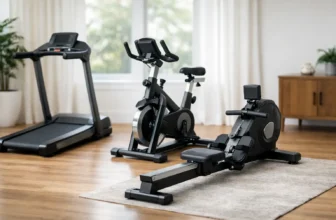

That first deadlift drop, treadmill run, or kettlebell swing tells you fast whether your setup is working. The wrong surface gets noisy, shifts underfoot, marks your subfloor, and makes the whole room feel less dialed in. If you’re comparing home gym flooring options, the real question is simple: what supports your training style without wasting money on features you do not need?
For most people, flooring is not the flashy purchase. It is the piece that protects every other purchase. A good floor can help your equipment last longer, cut down on vibration, improve grip, and make a small garage or spare room feel like a serious training zone instead of a temporary corner setup.
How to choose between home gym flooring options
Start with impact, not appearance. A yoga and mobility space needs something very different from a strength room with a rack, plates, and adjustable dumbbells. Cardio users usually care most about vibration control, noise reduction, and protecting the floor under a treadmill or bike. Strength-focused training usually needs more density and stability, especially if heavy weights are involved.
Your room also matters. Concrete gives you a tougher base and more flexibility. Upstairs rooms need more attention to sound and compression. Basements can bring moisture into the equation. If the area doubles as an office, guest room, or family space, you may also care more about how easy the flooring is to clean, move, or store.
Budget matters too, but not in the obvious way. Spending less upfront on thin material that curls, slides, or dents easily can cost more when you have to replace it. On the other hand, not every home gym needs commercial-grade rubber across the entire room. The best buy is usually the option that matches your equipment load and training frequency without overspending.
Rubber tiles and rolls
Rubber is the standard for a reason. It handles weight well, offers dependable traction, and creates a more stable feel under benches, racks, and cardio machines than soft foam ever will. If you want one flooring category that works for the widest range of training styles, rubber usually leads the pack.
Tiles are easier to carry, position, and replace one section at a time. That makes them appealing for garage gyms, apartment corners, or anyone building out the room in phases. Rolls look cleaner and often have fewer seams, which many people prefer for larger spaces. They can also feel more finished under bigger equipment layouts.
The trade-off is weight and cost. Quality rubber is not the cheapest option, and thicker versions get heavy fast. It can also have a noticeable smell at first, especially in enclosed rooms. Still, if your workouts include squats, deadlifts, kettlebells, or intense conditioning, rubber is often the smartest long-term move.
Best fit for rubber flooring
Rubber works best for strength training, mixed-use gyms, and cardio rooms with heavier machines. Thicker rubber is better if you lift heavy or want more shock absorption. Thinner rubber can work well for lighter dumbbell training, bikes, rowers, and general fitness setups.
Foam tiles
Foam tiles are popular because they are affordable, lightweight, and easy to install. If you are setting up a beginner-friendly workout area for bodyweight training, stretching, Pilates, or light dumbbell sessions, foam can make the space more comfortable fast.
Where foam falls short is density. Under heavy benches, racks, or machines, it can compress too much and create an unstable surface. It also dents more easily and can separate at the seams during quicker footwork or repeated movement. For serious strength work, that soft feel becomes a downside.
Foam is best when comfort is the priority and load is low. It is a practical choice for wellness-focused routines, recovery work, and floor exercises, especially in spare bedrooms or flex spaces. Just do not expect it to perform like rubber when the weights get heavier.
Horse stall mats
If value is your main goal, horse stall mats get attention for good reason. They are thick, durable, and often cheaper per square foot than specialty gym flooring. A lot of home gym owners use them in garages because they can handle serious abuse.
The catch is that they are not made specifically for home interiors. They are heavy, sometimes rough around the edges, and may have a stronger odor than fitness flooring. Dimensions can vary slightly, which affects fit and finish. They also tend to look more utilitarian than polished.
Still, for lifters who care more about performance than aesthetics, stall mats can be a strong play. If your focus is moving weight, protecting concrete, and getting solid coverage without stretching the budget, they deserve a look.
Vinyl flooring
Vinyl is a cleaner visual option for multipurpose rooms. It is easier to wipe down than many textured surfaces and can work well in home gyms focused on lighter equipment, mobility, and general fitness. If the room also needs to look like part of the home, vinyl often wins on appearance.
It is not ideal for dropping weights or supporting repeated heavy impact. Sharp or concentrated loads can mark it, and very heavy equipment may require extra protection underneath. That does not make vinyl a bad choice. It just means it is better for lighter training styles than hardcore strength work.
For a clean, modern workout room with bands, mats, adjustable weights, and low-impact cardio, vinyl can absolutely make sense. Just pair it with protective mats under heavier pieces if needed.
Carpet and carpet tiles
A lot of people start with carpet because it is already there. For light workouts, it can be usable, but carpet is rarely ideal as a finished gym surface. It absorbs sweat, traps dust more easily, and can feel unstable during strength work or dynamic movement.
Carpet tiles are a little more flexible because they are easier to replace section by section. Even so, neither option is great if you are using heavy benches, machines, or weights. Rolling cardio equipment on soft carpet can also feel less steady.
If you are working out on carpet now, the best upgrade is often not ripping everything out right away. A more practical move is adding rubber mats or tiles over the highest-use zones. That gives you better support where you need it most without turning the whole project into a renovation.
Turf for training zones
Turf is not a full-room solution for most people, but it is a strong specialty add-on. If your training includes sled pushes, agility drills, or functional conditioning, turf can turn part of a garage or studio into a more athletic space.
It is not the best pick under heavy free weights, and it does not replace dense protective flooring. Think of it as a performance layer for a specific style of training, not a universal answer. For hybrid gyms, a combination of rubber and turf often works better than choosing one material for everything.
What flooring thickness should you choose?
Thickness changes the feel more than many buyers expect. For lighter home use, thinner rubber can be enough, especially under bikes, rowers, and general training areas. Once heavier dumbbells, barbells, or more explosive work enter the picture, extra thickness starts to matter.
But thicker is not always better. More cushion can help with impact, yet too much softness under certain equipment can reduce stability. That is why a cardio-first room and a lifting-first room often need different setups. If your training is mixed, the smart move is to prioritize the zones that take the most stress.
The best home gym flooring options by workout style
If you lift heavy, dense rubber or stall mats usually give you the best blend of stability and protection. If your focus is cardio, rubber remains strong, though thinner material may be enough depending on the machine. For stretching, yoga, and low-impact routines, foam can be comfortable and cost-effective.
For mixed-use setups, rubber is usually the safest overall bet because it handles the widest range of equipment and movement. If the room needs to stay stylish and flexible, vinyl with protective mats in key spots can work well. If you train like an athlete, adding a turf lane can make the space feel next level without redoing the entire floor.
Before you buy, think in zones
One of the biggest mistakes is treating the whole room like it needs one surface. Most home gyms perform better when you think in zones. Your rack and weight area may need dense rubber. Your stretching corner might only need a mat. Your treadmill may benefit from a dedicated equipment mat plus a stable base floor.
That approach keeps the budget tighter and the performance higher. It also makes upgrades easier. You do not have to finish the perfect gym in one shot. Build the high-impact area first, train on it, and expand when the next must-have deal makes sense.
The right floor is the one that lets you train harder, worry less, and make the room feel ready every time you step into it. If your setup supports your goals from the ground up, every workout starts with more momentum.


![Tumaz Yoga Strap/Stretch Bands [15+ Colors, 6/8/10 Feet Options] with Extra Safe Adjustable D-Ring Buckle, Durable and Comfy Delicate Texture – Best for Daily Stretching, Physical Therapy, Fitness](https://m.media-amazon.com/images/I/51BduAOgo0S._SS300_.jpg)