
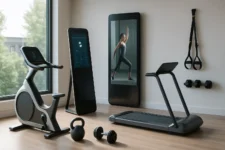
You can tell a home gym is evolving when your “one corner of the garage” starts acting like a full training plan. The 2026 wave isn’t about cramming in more machines – it’s about building a setup that makes you show up more often, track real progress, and recover like you actually mean it.
What’s changing fastest is how people shop: fewer random buys, more goal-based bundles. Think: adjustable strength + compact conditioning + recovery tools + a tight supplement stack, all working together. Below are the home gym trends 2026 shoppers are leaning into, plus the trade-offs that matter before you hit add-to-cart.
Home gym trends 2026: smarter, smaller, more complete
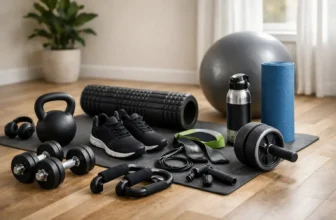
The headline trend is “complete systems” over single hero products. People still want a treadmill or a set of dumbbells, but they’re also building a training loop: warm-up, lift, condition, recover, repeat. That shift is why you’ll see more interest in accessories (belts, plates, ropes), recovery tools (foam rollers, mobility), and wellness add-ons (sleep, gut, weight management).
The win is consistency. The trade-off is decision fatigue if you shop without a plan. A simple rule: buy in pairs. Every strength upgrade should come with a recovery or mobility upgrade. Every cardio upgrade should come with something that supports adherence (comfort gear, better shoes, or fueling that keeps energy stable).
Strength goes modular (and adjustable is still the MVP)
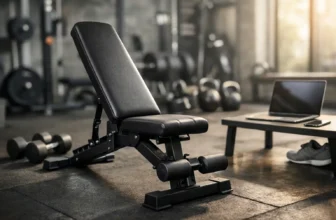
Strength training at home keeps moving toward modular setups that can scale without eating your floor space. Adjustable dumbbells are the obvious example, but the bigger shift is pairing them with a bench and a few “small but serious” extras like plates, kettlebells, and a lifting belt.
In 2026, more lifters are building around repeatable progressions: incline pressing, rows, RDLs, split squats, carries. That’s why benches are trending again – they turn a basic dumbbell day into a real program.
It depends on your training style. If you love heavy barbell work and maximal strength, you may still feel limited at home unless you commit to more space and more equipment. But for most people chasing muscle, body composition, and performance, a modular strength corner can be more than enough.
The “less clutter, more load” approach
The best home setups aren’t the ones with the most gear – they’re the ones where nothing is dead weight. If you’re upgrading in 2026, prioritize pieces that expand exercise options without multiplying storage problems. Adjustable dumbbells plus a stable bench does that. Adding a kettlebell does that. Buying five different specialty handles you never use does not.
Compact cardio gets quieter and more intentional
Cardio equipment is still a major purchase, but the buying behavior is shifting. People aren’t just choosing “the best treadmill.” They’re choosing the cardio tool they’ll actually use five days a week.
That’s why quiet, compact machines are winning attention: exercise bikes, rowing machines, and space-friendly ellipticals. A rower can cover conditioning and power endurance. A bike is joint-friendly and easy to use consistently. A treadmill is still king for walkers and runners, but the space and noise trade-offs are real.
If you live in an apartment, “quiet” is a feature, not a nice-to-have. If you have a packed schedule, “ready in 30 seconds” matters more than top speed.
Zone 2 at home is having a moment
A lot of 2026 cardio interest is about steady-state sessions you can sustain – the kind you can do while listening to a podcast, taking a call, or watching a show. It’s not glamorous, but it’s effective for stamina, stress management, and fat-loss support when paired with strength training.
The trade-off: it’s easy to go too easy and call it training. If you want results, set a simple metric: time, distance, or resistance targets you can gradually beat.
Functional training tools move from “extra” to “essential”
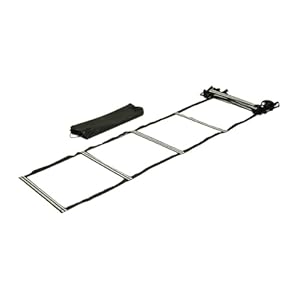
Functional tools are trending because they solve a common home-gym problem: boredom. Battle ropes, agility ladders, balance boards, and even a basic foam roller can turn “I should work out” into “that sounds fun.”
In 2026, more home athletes are building mini-circuits: 10 minutes of ropes, 10 minutes of kettlebell work, a quick core finisher. These tools also support athletic goals that machines don’t always hit well: coordination, footwork, grip, lateral movement.
It depends on your goal. If you’re purely focused on hypertrophy, you won’t need an agility ladder. But if you want conditioning that feels like sport instead of punishment, functional tools earn their keep.
Recovery gets upgraded from an afterthought to a category
Recovery is no longer “stretch if you remember.” The 2026 trend is recovery as a shopping category: foam rollers, mobility tools, and comfort-first add-ons that keep you training without nagging aches.
The reason is simple: most people don’t quit because they hate training. They quit because they feel beat up, stiff, or stuck.
If you’re lifting heavier at home, investing in recovery tools can be the difference between training three days a week and training five. The trade-off is that recovery gear doesn’t feel as exciting as a new machine. But it’s often the purchase that protects all the other purchases.
Sleep support becomes part of the training plan
Home gym trends 2026 also reflect a more holistic mindset: people are connecting sleep to performance. If you’re chasing fat loss, muscle gain, or energy, sleep is the multiplier.
That’s why sleep-focused picks inside “holistic health” collections are trending alongside equipment. It’s not about being perfect. It’s about having a plan for the nights you’d normally toss and turn and then skip the workout.
Apparel and footwear shift toward “training-ready” comfort
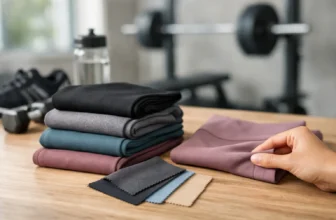
Activewear is trending less as fashion and more as a compliance tool. When your clothes feel good, fit well, and move with you, you’re more likely to start the session.
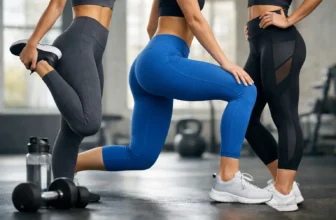
In 2026, look for more demand in practical staples: leggings and sets that stay put, hoodies and base layers for garage gyms, shorts that don’t ride up, and cross-training shoes that feel stable for lifts but flexible enough for circuits.
The trade-off is that “soft” isn’t always “supportive.” If you do heavier strength work, prioritize stability in shoes and secure waistbands in bottoms. Comfort matters, but so does performance.
Supplements get stacked with clearer intent
The supplement trend isn’t about taking more. It’s about stacking smarter around a goal: energy for training, recovery for consistency, or weight-management support that complements your nutrition.
In 2026, shoppers are increasingly bundling basics (protein, pre-workout, recovery) with more targeted products depending on the outcome they want. You’ll see continued interest in weight-loss systems and keto-friendly approaches, plus specialty picks like CLA, L-carnitine, and 7-keto. Testosterone boosters remain popular for shoppers focused on strength and body composition, but it’s a category where personal context matters.
It depends on your baseline: sleep, stress, and protein intake come first. Supplements can support results, but they don’t replace a plan.
A simple “home gym stack” mindset
If you want a cleaner approach, think in roles. One product supports training output (like a pre-workout). One supports recovery (like a recovery formula). One supports daily nutrition (like protein). Then, and only then, consider specialty add-ons aligned with your specific goal.
Shopping behavior trends: curated picks beat endless browsing
One of the most practical home gym trends 2026 is how people buy: they’re leaning on “Trending,” “Best Sellers,” and limited-time deals to reduce decision fatigue. Instead of researching for weeks, shoppers want a curated shortlist that feels safe.
That’s also why wishlist and compare tools matter more. When you’re choosing between two benches or deciding if a rower beats a bike for your routine, being able to compare quickly keeps you moving.
If you like deal-forward shopping across equipment, activewear, and sports nutrition in one place, FitwellGoods leans into that with category-driven browsing, “Today’s Highlights,” and stack-friendly discovery that makes it easier to build a full setup instead of a random cart.
What to buy first (so the trend actually helps you)
Trends are only useful if they lead to training. If you’re building or upgrading this year, pick the purchases that remove friction.
Start with strength because it changes your body fastest for most goals. Add cardio based on what you’ll do consistently, not what looks impressive. Then add recovery to keep your streak alive. Finally, layer in apparel and supplementation that makes sessions feel easier to start and easier to repeat.
Here’s the honest part: the “best” home gym is the one you use on your worst week. If you’re exhausted, busy, or unmotivated, what gear makes you say, “Fine – I’ll do 20 minutes”? Build for that version of you.
When you shop the 2026 trends, don’t chase perfection – chase a setup that pulls you forward, even on the days you’d normally hit snooze.






%20(Black/Black/Dark%20Smoke%20Grey)&url=https://fitwellgoods.com/shop/yoga/yoga-mat-bags/nike-black-black-dark-smoke-grey-dn3700-010-adult-unisex-yoga-mat-bag-21l-black-black-dark-smoke-grey/&media=https://m.media-amazon.com/images/I/31hdrX8ZWAL._SS1024_.jpg)


