Bad leggings can ruin a good session fast. If you have ever spent a workout tugging at the waistband, overheating halfway through cardio, or wondering whether the fabric is squat-proof, you already know why how to choose gym leggings material matters. The right material does more than look good – it helps you move better, stay comfortable longer, and train without distractions.
How to choose gym leggings material for your workouts
Start with one simple question: what do you actually do in your leggings? That matters more than chasing whatever fabric blend sounds the most technical. A pair that feels amazing for hot yoga may not hold up as well for barbell training, and ultra-compressive leggings for HIIT can feel too restrictive for a long walk or recovery day.
Material choice is really about matching performance to purpose. You want enough stretch for movement, enough structure for coverage, and enough breathability to handle your sweat level. The sweet spot usually comes from blends rather than a single fabric, which is why most quality gym leggings combine synthetic fibers with stretch yarns.
If you train across multiple styles, prioritize versatility. A fabric that balances moisture management, recovery, and soft compression will give you more wear across strength days, treadmill sessions, errands, and travel. That kind of value matters when you want your gear to work harder, not just sit in a drawer.
The big four materials you will see most often
Polyester is one of the most common performance fabrics in gym leggings, and for good reason. It is durable, lightweight, and generally good at wicking sweat away from the skin. If you do a lot of cardio, circuit training, or high-volume workouts, polyester blends are usually a strong pick because they dry faster than many natural fibers.
Nylon is often the premium feel people notice right away. It tends to feel smoother, softer, and a little more supportive against the skin. Many nylon-based leggings have that sleek, second-skin finish people want for studio training, lifting, and all-day wear. The trade-off is that nylon can sometimes hold onto odor more than you would like if you are training hard and washing frequently.
Spandex, also called elastane, is what gives leggings stretch and snap-back. You rarely buy leggings made only from spandex, but the percentage matters. Too little and the fabric can feel stiff or bag out over time. Too much and the leggings may feel overly tight, shiny, or less durable. For most gym use, a moderate spandex blend gives you mobility without sacrificing structure.
Cotton shows up less often in true performance leggings, and that is usually a clue. It is soft and breathable at rest, but it absorbs moisture instead of moving it away. For serious workouts, that can mean heavy, damp fabric and visible sweat patches. Cotton-blend leggings can still work for low-impact activity, lounging, or casual wear, but they are rarely the top choice for high-output training.
What matters more than the fabric name
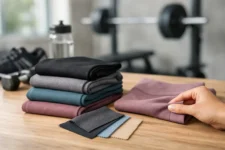
Fabric labels help, but they do not tell the whole story. Two leggings can both be polyester-spandex and feel completely different because knit density, finishing, and fabric weight change everything.
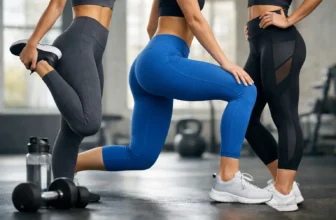
The first detail to check is thickness. Thicker does not always mean better, but it usually means more coverage and support. If you lift, bend, or train in bright lighting, a slightly denser fabric is often worth it. Thin leggings may feel light and airy, but they can turn sheer under tension.
Next comes stretch recovery. Good fabric stretches with your movement and returns to shape after each wear. Poor recovery leads to knee bagging, waistband slipping, and a generally worn-out feel much sooner than you want. This is one of those areas where cheap leggings often reveal themselves fast.
Then there is hand feel, which is a fancy way of saying how the fabric feels against your skin. Some people want slick and cool. Others want brushed and soft. Neither is automatically better. Slick fabrics often perform well in sweaty training, while brushed finishes feel cozy and flattering but may trap a little more heat.
Compression vs comfort
A lot of shoppers assume tighter always means better performance. Not quite. Compression can be great for support, especially in HIIT, running, and strength training, but too much can become a distraction. If you feel squeezed, overheated, or restricted in deep movement, that pair is working against you.
Comfort matters because leggings are part of your training setup. You should be able to brace, squat, hinge, sprint, and recover without constantly adjusting. A light-to-medium compression fabric tends to be the most versatile for mixed training. Higher compression is better if you want a held-in feel and more support, but it depends on your preference and workout style.
How to choose gym leggings material by training style
For running and cardio, prioritize moisture-wicking fabric with a smooth finish. Polyester or nylon blends with moderate spandex usually perform best because they handle sweat and repeated motion well. You want leggings that feel light, stay in place, and do not get swampy by mile two.
For strength training, coverage and durability move up the list. A denser nylon-spandex or polyester-spandex blend with reliable stretch recovery is usually the move. You want confidence under load, especially during squats, deadlifts, lunges, and machine work.
For yoga and Pilates, softness and flexibility often matter more than hardcore compression. A buttery nylon blend can feel amazing here, especially if you like slower movement and extended wear. Just make sure soft does not mean delicate if you plan to use the same pair in the gym too.
For HIIT and bootcamp, look for a performance blend that balances compression, sweat management, and abrasion resistance. Fast transitions, floor work, and repeated movement can expose weak fabric quickly. This is where a durable technical blend earns its keep.
For walking, lounging, or everyday wear, comfort can lead the decision. Softer brushed fabrics and lighter compression work well, especially if you want leggings that move from errands to light training without a second thought.
Watch for these signs before you buy
If the product details do not mention moisture-wicking, four-way stretch, or squat-proof coverage, pause before adding to cart. Not every brand uses the same wording, but quality performance leggings usually make those benefits clear because that is what shoppers care about.
Pay attention to shine, too. Very shiny fabric is not automatically bad, but it can sometimes signal a higher spandex feel that may show more texture and feel less breathable. Matte finishes are often more forgiving and versatile.
Seams also affect how the material performs. A great fabric can still disappoint if the stitching cuts in, rubs, or creates weak points. Flat seams and a stable waistband help the material do its job better.
And yes, do the bend test if you can. If not, look for language that signals opacity under stretch. Coverage is not just a style issue – it is a confidence issue.
If you sweat a lot, prioritize this
Heavy sweaters should put moisture management first. That means skipping cotton-heavy blends and leaning toward polyester or nylon performance fabrics that dry quickly. Darker colors can also be more forgiving, but strong fabric is still the main win.
If odor control is a concern, wash habits matter as much as fabric choice. Some materials hold smell more than others, especially after repeated intense training. If you work out often, having multiple high-performing pairs in rotation is usually smarter than overworking one pair into an early retirement.
The smartest way to balance price and performance
You do not need the most expensive leggings on the page, but going too cheap often shows up in thin fabric, weak recovery, and poor stitching. The better buy is usually the pair that fits your training style and holds up over time. Cost per wear beats bargain pricing every time.
If you are building out your activewear drawer, think in layers of use. One supportive pair for lifting, one breathable pair for cardio, and one ultra-comfortable pair for low-impact days is often a smarter move than buying three nearly identical leggings that all do one thing halfway well. That is the kind of upgrade that makes shopping feel simpler and your workouts feel smoother.
FitwellGoods shoppers usually want gear that supports real progress, not just a good mirror selfie. That means choosing fabric with purpose. When the material matches your training, you stop thinking about your leggings and get back to thinking about your reps, your pace, and your next win.
The best pair is not the one with the flashiest label. It is the one that keeps up when the workout gets serious.