
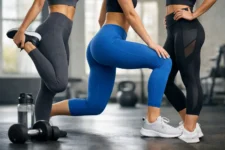
That mid-squat moment tells you everything. If your leggings slide down, turn see-through, pinch at the waist, or trap heat five minutes into training, they are not doing their job. If you have been wondering how to choose workout leggings, the fastest answer is this: match the pair to your training style, body shape, and comfort preferences instead of buying based on looks alone.
The right leggings can make a workout feel more locked in from the first warm-up set to the last cooldown stretch. The wrong pair becomes a constant distraction. For anyone building a smarter activewear rotation, this is one of those must-have decisions that pays off every week.
How to choose workout leggings for your training style
Not all leggings are built for the same kind of session, and that is where most shopping mistakes happen. A buttery-soft pair that feels amazing in yoga may not hold up the same way during sprints or heavy leg day. A compressive style that shines in HIIT may feel too restrictive for long hours of casual wear.
For strength training, look for medium to high compression, a secure waistband, and fabric with enough density to stay squat-proof under tension. You want support through glutes, hips, and thighs without feeling squeezed to the point that movement gets awkward. If you train with barbells, dumbbells, or machines, durability matters too. Repeated friction from benches and equipment can wear down cheaper fabric fast.
For running or high-intensity cardio, prioritize sweat-wicking performance, breathability, and a stay-put fit. Less fabric shifting means less distraction. Flat seams can help reduce rubbing on longer runs, and side pockets are a real win if you carry your phone.
For yoga, Pilates, and lower-impact sessions, flexibility and softness usually matter more than maximum compression. You still want coverage, but the feel against your skin becomes a bigger factor because these sessions involve more bending, stretching, and floor work.
If you want one pair for everything, aim for the middle ground. Medium compression, moisture-wicking fabric, and a high-rise waistband usually give you the most versatility. It may not be perfect for every niche workout, but it will handle most routines well.
Fabric is where performance starts
When people ask how to choose workout leggings, fabric should be near the top of the list. It affects stretch, sweat control, durability, support, and how the leggings feel after an hour of movement.
Polyester blends are common for a reason. They tend to wick sweat well, dry relatively quickly, and hold color and shape through repeated wear. Nylon blends usually feel smoother and softer, often with a slightly more premium hand-feel. Spandex or elastane is what gives leggings stretch and recovery, so if a pair has too little, it may bag out or feel stiff.
Cotton-heavy leggings can feel soft at first, but they are usually not the best pick for tough training. Cotton holds moisture, so once sweat builds up, the fabric can feel heavy and slow to dry. For lounging or light errands, that may be fine. For serious gym sessions, most shoppers do better with technical blends.
Texture matters too. Brushed fabrics feel soft and cozy, which many people love for cooler weather, walking, or studio workouts. Sleeker fabrics often perform better in high-sweat sessions because they feel lighter and more athletic. Neither is automatically better. It depends on where and how you train.
Fit should feel secure, not restrictive
A good fit is the difference between leggings you forget you are wearing and leggings you adjust every ten minutes. That is why sizing deserves more attention than shoppers usually give it.
If leggings dig hard into your waist, create obvious pulling across the hips, or go sheer when you bend, size up or switch cuts. If they slide down during lunges or bunch behind the knees, the fit is too loose or the fabric recovery is poor. The goal is a held-in feel without losing range of motion.
High-rise leggings are the top pick for a lot of gym-goers because they offer more coverage and tend to stay in place better during dynamic movement. They can also create a smoother feel through the midsection, which many shoppers prefer for both training and confidence.
Mid-rise leggings work well if you do not like a lot of waistband coverage or if high-rise styles hit uncomfortably on your torso. Low-rise options are less common for performance training because they usually offer less support and can shift more during movement.
Length matters more than it seems. Full-length leggings are great for cooler weather, general training, and a streamlined look. Seven-eighths styles are a popular hot pick because they hit above the ankle on many body types and can feel a little less bulky. Cropped leggings can be ideal for warmer climates or home workouts where airflow matters.
The squat test is non-negotiable
If you skip every other test, do not skip this one. Coverage matters. A pair that looks fine standing up can become sheer once the fabric stretches across your glutes and thighs.
Thicker fabric often helps, but thickness alone is not the whole story. Knit quality, stretch balance, and fit all matter. A pair that is too small is more likely to go see-through, even if the material feels substantial in your hands.
Before buying, check whether the leggings are described as squat-proof or built for training. If you already have them at home, test them in natural light with a full squat, lunge, or hinge. This is especially important if you lift or do classes with lots of lower-body movement.
Waistbands, seams, and pockets can make or break a pair
The small details are often what turn a decent pair into a repeat-buy favorite. Waistbands are a big one. A wide waistband usually offers better support and less rolling than a narrow band. Some leggings include hidden reinforcement through the top edge, which can help them stay in place during cardio or circuits.
Seams affect both comfort and appearance. Flat seams help reduce chafing, especially for running or longer sessions. Strategic seam placement can also shape the body nicely, but there is a trade-off. More contouring seams can create a more sculpted look, yet they may feel less minimal if you prefer a clean, simple fit.
Pockets are worth thinking about before checkout. If you walk, run, or train on the go, side pockets are practical and easy to appreciate every single session. If you mostly use leggings for yoga or lounging, you may not care as much.
Compression, support, and body confidence
Compression is not just about aesthetics. It changes how leggings feel during movement. Higher-compression leggings can feel more secure for running, HIIT, and lifting because they hold the fabric close to the body and reduce shifting. They often create a more sculpted look too, which is a nice bonus.
But more compression is not always better. Some people love that locked-in feel. Others find it tiring over longer wear or too firm around the waist. If you want leggings for all-day errands after the gym, medium compression is often the better move.
This is one of those shop-smarter categories where honest self-assessment helps. If your top priority is performance support, lean more compressive. If your top priority is comfort and versatility, choose a softer medium-support pair.
Think beyond the first wear
The best leggings are not just flattering on day one. They keep their shape, color, and support after repeated washes. That is where quality becomes a real value play.
Look for fabric that springs back instead of staying stretched out. Pay attention to pilling resistance if you plan to wear the pair often or use it with rougher equipment. Dark colors can be more forgiving for sweat and wear, while lighter shades may show more but can still work beautifully if the fabric quality is solid.
It is also smart to build around your actual routine. One premium pair for intense training and one softer pair for recovery days may serve you better than three random pairs that each miss the mark. If you are already shopping across activewear, accessories, and home workout gear, this is an easy category to get right with a little more intention. That is part of the appeal of browsing a broad fitness retailer like FitwellGoods – you can shop by goal, not just by style.
How to choose workout leggings without overthinking it
If you want the quick decision filter, ask yourself four things. What workouts will I actually use these for most often? Do I want soft comfort or stronger compression? Do I need pockets? Do I prefer full-length, seven-eighths, or cropped?
From there, rule out anything that fails the basics: poor sweat control, weak coverage, an unstable waistband, or a fit that needs constant adjusting. Trendy colors and contour details are fun, but they should come after performance.
A great pair of leggings should help you feel ready to train, not make you second-guess your gear. Shop for movement, support, and staying power first. When the fit is right, the fabric works hard, and the details match your routine, you will know it before your workout even starts.


&url=https://fitwellgoods.com/shop/yoga/yoga-sandbags/2-pcs-adjustable-canvas-kettlebell-sandbag-wtih-handle-for-training-home-training-yoga-fitness-black/&media=https://m.media-amazon.com/images/I/41ernFXcw2L._SS1024_.jpg)


&url=https://fitwellgoods.com/shop/yoga/yoga-mat-bags/magnilay-yoga-mat-bag-for-women-and-men-yoga-bag-with-pockets-and-adjustable-strap-yoga-mat-carrier-fits-mats-blocks-and-yoga-accessories-for-workouts-32l-x-9-diameter/&media=https://m.media-amazon.com/images/I/41dHLNAXX3L._SS1024_.jpg)
,%20Seiza,%20Sustainable%20Acacia%20Wood%20with%20Curved%20Bottom%20Edges%20for%20The%20Perfect%20Posture,%20Meditation%20Stool,%20Prayer%20Bench,%20Meditation%20Chair,%20Yoga%20Stool&url=https://fitwellgoods.com/shop/yoga/meditation-benches/meditation-bench-nat-white-seiza-sustainable-acacia-wood-with-curved-bottom-edges-for-the-perfect-posture-meditation-stool-prayer-bench-meditation-chair-yoga-stool/&media=https://m.media-amazon.com/images/I/316RyY7wlKL._SS1024_.jpg)


&url=https://fitwellgoods.com/shop/yoga/meditation-benches/meditation-bench-bamboo-meditation-stool-folding-kneeling-meditation-bench-seiza-prayer-bench-prayer-bench-with-meditation-cushion-kneeling-stool-beige/&media=https://m.media-amazon.com/images/I/41EsIrXcA6L._SS1024_.jpg)