A waistband that rolls mid-squat, fabric that goes sheer under tension, and seams that dig in by minute 20 – that is usually not a quality problem alone. More often, it is a sizing problem. If you are wondering how to size womens gym leggings, the goal is simple: get a pair that stays put, supports your movement, and feels good from warm-up to cooldown.
The tricky part is that gym leggings do not fit like everyday pants. Training fabric stretches more, compresses more, and responds differently depending on whether you lift, run, cycle, or spend most of your session on the mat. A size that feels fine standing in your bedroom can feel completely wrong during a workout. That is why sizing leggings is less about the number on the tag and more about how the fabric behaves on your body.
How to size womens gym leggings for real workouts
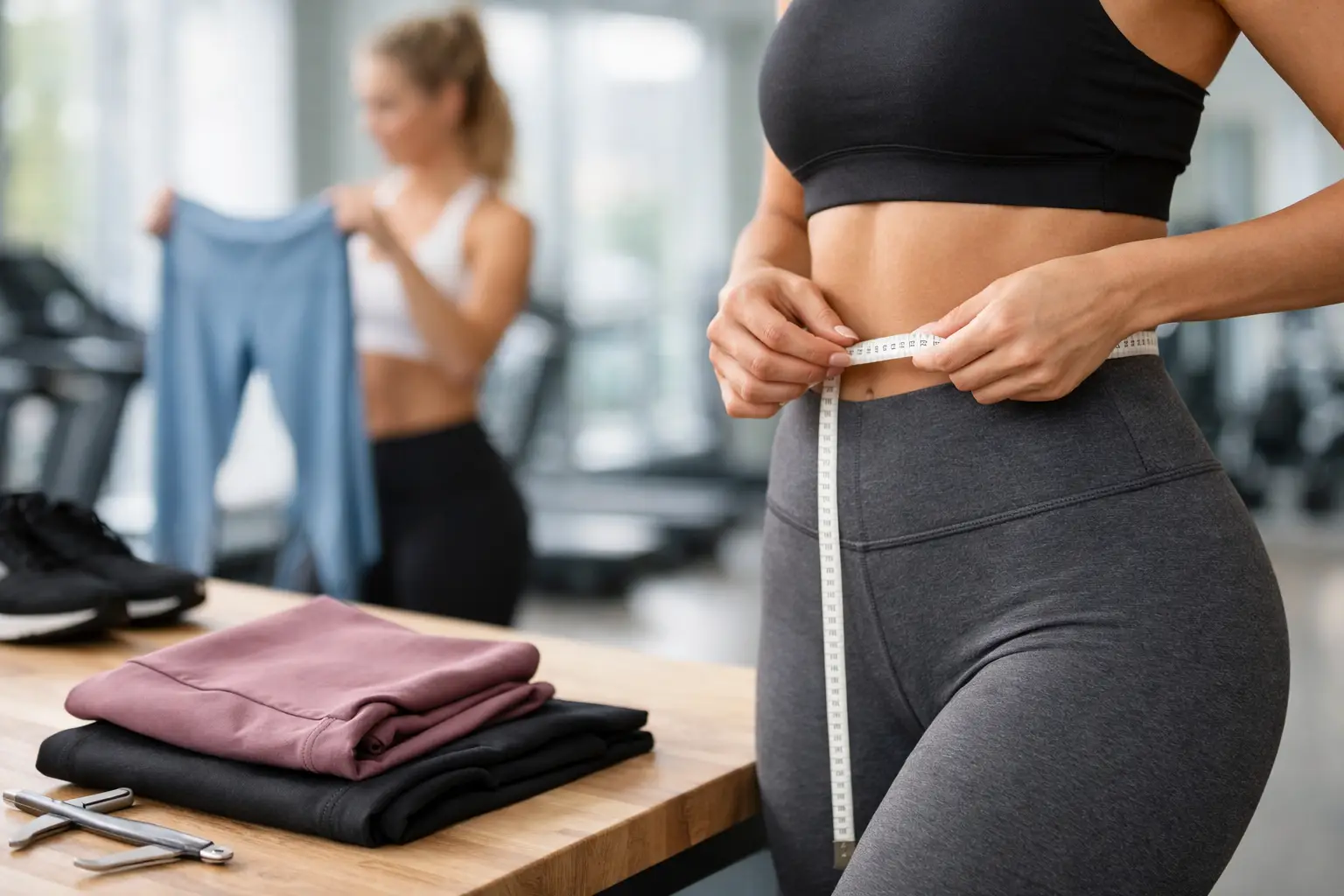
Start with your measurements, not your guess. The most useful numbers are your waist at the narrowest point, your hips at the fullest point, and your inseam if length tends to be an issue for you. If your waist puts you in one size and your hips put you in another, leggings should usually be chosen by the hip measurement first. That is because overstretch across the hips and glutes is what often causes sheerness, seam strain, and that overworked feeling in the fabric.
That said, it depends on the waistband design. If the pair has a firm, high-compression waistband and your waist is much smaller than your hips, sizing up may solve hip tension but create slipping at the top. In that case, look for a cut with a shaped waistband or more flexible compression rather than forcing the wrong size to work.
Brand charts matter more in leggings than many shoppers expect. One brand’s medium may feel like another brand’s small, especially when compression is part of the design. If the leggings are marketed as sculpting, second-skin, or high-support, expect a closer fit. If they are described as lounge-friendly, buttery-soft, or low-compression, they may feel more forgiving even in the same labeled size.
What the right size should feel like
Good gym leggings should feel secure, not restrictive. You should notice light to moderate hold through the waist, hips, and thighs, but you should not feel like you are wrestling the fabric just to get them on. Once they are on, the waistband should sit flat without folding over immediately. The seat should feel smooth rather than overstretched, and the crotch area should not pull downward or create excessive tension lines.
Compression adds confusion here because many shoppers assume tighter always means better support. Not true. If leggings are too small, the compression stops feeling supportive and starts fighting your movement. You may see deep waistband digging, excessive shine across the thighs, or seams that look stressed before you even start training. A proper compressive fit still lets you breathe, hinge, lunge, and sit without constantly adjusting.
If leggings are too big, the signs are different but just as annoying. The knees may bag out, the waistband may slide during cardio, and extra fabric may bunch at the ankles or behind the knees. You might also notice that pockets sag once you add your phone, which is a clear signal that the fit is not anchored well enough.
Common sizing mistakes that ruin the fit
One of the biggest mistakes is buying down for a more sculpted look. That can backfire fast. Undersized leggings are more likely to turn sheer, wear out early, and feel uncomfortable during longer sessions. If you want a more held-in feel, the better move is choosing a higher-compression fabric in your actual size.
Another mistake is ignoring activity type. Running leggings and lifting leggings do not always fit best the same way. For running, many women prefer a locked-in waistband and firm compression to reduce bounce and distraction. For strength training, you still want support, but you may need more flexibility through the hips and knees for deep squats, deadlifts, and lunges. For yoga or Pilates, a softer, more adaptive fit can feel better than a stiff, ultra-compressive pair.
Length is also easy to overlook. Full-length leggings that stack heavily at the ankle can feel bulky and shift around. Cropped leggings that hit at the widest part of the calf may feel tighter than expected even when the waist fits perfectly. If you are petite or tall, inseam matters more than many size charts admit.
How to test the fit before you commit
The best fitting room is movement. Once the leggings are on, do a quick workout test. Raise one knee high, squat fully, hinge forward, and walk around for a few minutes. If the waistband slides, if the fabric becomes noticeably sheer, or if you need to pull them up after every movement, the size is off or the cut is wrong for your body.
Pay attention to how the fabric looks under stretch. A little surface shine can be normal in performance fabric, but strong whitening across the glutes or thighs usually means the material is being overextended. That is often a sign to size up.
Also check the waistband after movement, not just before. Some leggings feel perfect standing still and then roll the second your core bends. That can mean the rise is too high for your torso, the waistband is too tight, or the top edge is too soft to stay in place. The solution is not always a different size. Sometimes you need a different waistband construction.
Fabric changes the sizing equation
Not all stretch fabrics perform the same. A nylon-spandex blend often feels slicker, more compressive, and more supportive for training. Polyester-spandex can vary, but many styles feel slightly less dense and more forgiving. Brushed fabrics often feel softer and more comfortable, though they may not offer the same locked-in hold for high-impact sessions.
Thicker fabric can hide fit issues at first, but it should not be used to excuse a poor size choice. Thin fabric is not automatically bad either. High-quality lightweight leggings can fit beautifully if the size is right. What matters is recovery – how well the material returns to shape after stretching. If it bags quickly or stays warped around the knees and seat, the fit or fabric quality is probably working against you.
Seam placement matters too. Contour seams, glute shaping, and high-rise panels can all affect how a size feels. Two leggings with identical waist and hip measurements can fit differently because of patterning alone. That is why customer reviews often help with leggings more than with basic tees or hoodies. If multiple buyers say a pair runs tight in the waistband or loose in the calves, believe them.
How to size womens gym leggings when you are between sizes
If you are between sizes, the right choice depends on your priorities. If you want maximum compression for short training sessions and the fabric is known to relax slightly with wear, the smaller option may work. If you care more about comfort, full range of motion, or all-day wear, the larger option is usually safer.
Body shape also matters. Women with fuller glutes and thighs often get a better result by sizing for the hips and choosing a waistband designed to hold the waist securely. Women with straighter hips may prefer a true-to-size fit with moderate compression so they do not spend the whole workout tugging the waistband upward.
If you carry weight differently from top to bottom, matching your leggings to your main training need is smart. For intense lower-body days, prioritize stretch and opacity through the hips and glutes. For treadmill sessions or HIIT, prioritize stay-put support through the waist. There is no single perfect answer for every body or every workout.
Red flags that mean you should try a different size
A few signs are not worth negotiating with. If the leggings are visibly sheer when you squat, if the waistband cuts in so hard it creates discomfort, or if the crotch seam feels strained, go up a size. If the knees sag after one wear, the waistband slides during a brisk walk, or excess fabric gathers around the ankles and hips, go down a size or switch styles.
It is also worth watching what happens after a wash. Some leggings relax slightly with wear and recover after laundering. Others shrink a bit, especially if heat is involved. If a pair already feels borderline too tight before washing, do not count on it magically getting roomier later.
For shoppers building a stronger activewear rotation, this is where a deal-first mindset can actually help. Instead of forcing one pair to do everything, it often makes more sense to grab different leggings for different jobs – a compressive pair for training, a softer pair for recovery days, and a lighter pair for warmer sessions. That approach usually gives you a better fit than expecting one style to cover every workout.
The right leggings should make your session easier, not distract you every five minutes. When the size is right, you stop thinking about the waistband, the coverage, and the seams – and get back to chasing reps, miles, or whatever goal is next. If you are shopping smart, measuring first, and testing fit by movement instead of mirror alone, you are already ahead of the game.