
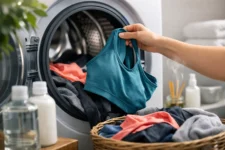
That clean-looking gym shirt can still hold yesterday’s workout. The culprit is usually not a lack of washing – it is sweat, body oils, detergent residue, and bacteria getting trapped in performance fabric. Learning how to wash activewear without odor keeps your go-to leggings, sports bras, shorts, and training tops ready for the next session instead of permanently parked in the laundry pile.
Synthetic fabrics such as polyester, nylon, and spandex are built to move with you and wick moisture away from your skin. Those same fibers can hang onto oily residue more stubbornly than cotton. The answer is not blasting everything with more detergent or hotter water. It is a smarter routine that cleans deeply while protecting stretch, color, and moisture-wicking performance.
Why Activewear Starts Smelling After It Is Washed
Sweat itself is mostly odorless. The smell develops when bacteria feed on sweat and skin oils, especially in warm, damp conditions. Leave a used workout set crumpled in a gym bag or hamper, and those bacteria have time to multiply before the wash even starts.
Then there is buildup. Fabric softener, too much detergent, scented laundry boosters, and residue from body lotion can coat performance fibers. That coating traps odor and can make moisture-wicking fabric less effective. If your shirt smells fine when dry but turns funky as soon as you warm up, old residue is often the reason.
This is why a standard wash cycle can sometimes seem like it does nothing. You are washing the surface, while odor-causing oils remain attached to the fabric. A few simple changes can break that cycle.
How to Wash Activewear Without Odor: The Core Routine
The best routine starts before laundry day. Take activewear out of your workout bag as soon as possible. If you cannot wash it right away, hang it somewhere with airflow so it can dry. A damp pile of clothing inside a sealed bag is odor’s favorite training ground.
Turn every item inside out before washing. The inside is where sweat, deodorant, body oil, and skin cells collect. Turning garments inside out also helps protect printed logos, bright colors, and the outer finish of your leggings or shorts from friction.
Wash activewear with similar lightweight synthetic items. Avoid loading it in with towels, jeans, fleece, or cotton hoodies. Heavy fabrics create abrasion that can rough up delicate fibers, cause pilling, and stretch out thinner training pieces. A smaller load also gives water and detergent enough room to circulate through the fabric.
Use cool or warm water, based on the care label. Cool water is the safest everyday choice for spandex-rich leggings, sports bras, and compression gear because heat can weaken elastic fibers over time. Warm water can help with a particularly sweaty load, but skip hot water unless the label specifically allows it.
Choose a normal or activewear cycle with a moderate spin. A gentle cycle is useful for especially delicate bras, mesh panels, or items with bonded seams, but a cycle that is too mild may not clean heavily used training gear well. The goal is enough agitation to remove oils without punishing the fabric.
Use Less Detergent, Not More
More detergent does not equal a cleaner workout wardrobe. In fact, overdosing detergent is one of the fastest ways to create the residue that holds odor in place. Follow the detergent label for a small or medium load, and consider using a little less if you have a high-efficiency washer and soft water.
A liquid detergent formulated for activewear or for removing body oils can be a strong choice. These formulas are designed to tackle synthetic-fiber buildup without relying on fabric softener. If you use a powdered detergent, make sure it dissolves fully in cool water. Undissolved powder can cling to dark leggings and technical shirts.
For everyday loads, detergent alone may be enough. When odor is already noticeable, add a half cup of distilled white vinegar to the rinse compartment or rinse cycle. Vinegar can help cut through residual detergent and stale smells. Do not combine it directly with bleach or other cleaning chemicals, and do not use it as a replacement for detergent. It helps rinse away buildup, but it does not do the full job of washing soil out of fabric.
Skip the Products That Fight Your Gear
Fabric softener is a common mistake with performance apparel. It can leave a waxy coating that makes moisture-wicking fabric less breathable and gives bacteria more residue to cling to. Dryer sheets can create a similar coating, so leave both out of the activewear load.
Bleach is also usually a poor match for stretchy synthetics. Chlorine bleach can weaken spandex and damage color. Oxygen-based bleach may be appropriate for select white items if the care label permits it, but it is not a universal fix for odor. When in doubt, treat your gear like performance equipment: use only what supports its function.
Be careful with heavily fragranced boosters, too. A strong perfume can mask odor for a day, but it will not remove the source. It can also irritate sensitive skin during a sweaty workout. Fresh should mean clean, not scented enough to compete with your pre-workout.
Give Stubborn Odor a Reset
If a favorite pair of leggings or a base layer has a permanent smell, do not retire it just yet. Start with a one-time deep clean. Soak the item in cool water with a small amount of activewear detergent or an enzyme-based laundry treatment, following the product directions. Then wash it inside out with a small load and run an extra rinse if your machine offers one.
For persistent buildup, a vinegar rinse can be useful after the wash. You may need to repeat this reset once or twice, especially if the garment has been regularly washed with softener or excessive detergent. Results depend on the fabric, the age of the item, and how embedded the residue is. Some older pieces will never return to brand-new freshness, but many improve dramatically with the right care.
Also check the washing machine itself. If every item coming out of the washer has a sour or musty note, the problem may be the appliance rather than your gear. Clean the detergent drawer, wipe the rubber door gasket on front-loading machines, and run the manufacturer-recommended cleaning cycle. Leave the washer door or lid open between loads so the drum can dry.
Dry Activewear the Smart Way
Air-drying is the safest option for most activewear. Hang items separately or lay them flat on a drying rack with good airflow. This protects elasticity, reduces shrinking risk, and helps workout clothes keep their shape through more training sessions.
If you need the dryer, use low heat or an air-dry setting. High heat is tough on spandex, elastic waistbands, sports bra bands, heat-applied graphics, and grippy details. Take clothing out promptly once it is dry. Leaving it warm and bunched in the dryer can bring back that damp, stale smell you just worked to remove.
Avoid drying gear in a humid bathroom or packing it away before it is completely dry. That includes gym shoes, knee sleeves, lifting belts with fabric lining, and sweat-wicking hats. Your recovery routine deserves clean gear, and clean gear needs airflow.
Build an Odor-Free Gym Bag Habit
Laundry works best when your post-workout habits support it. Keep a ventilated bag for used clothes when possible, or use a separate breathable pouch inside your gym bag. Hang damp items when you get home instead of tossing them on the floor. If you train daily, a quick activewear load every two or three days is easier on your gear than letting a week of sweat marinate.
For pieces you wear close to the skin, such as sports bras, compression shorts, base layers, and socks, wash after every workout. Hoodies, joggers, and loose warm-up layers may last more than one wear if they stayed dry and odor-free. It depends on how hard you trained, the climate, and whether the piece touched sweaty skin.
Fresh activewear is a small advantage that adds up. When your favorite training set feels clean, flexible, and ready to go, there is one less excuse between you and your next workout. Treat your gear well, build the habit, and let every session start strong.









&url=https://fitwellgoods.com/shop/yoga/yoga-towels/biolinen-luxury-100-cotton-bath-towels-ultra-soft-highly-absorbent-quick-dry-premium-quality-for-home-spa-hotel-grey-30x60/&media=https://m.media-amazon.com/images/I/51Edu7uYsiL._SS1024_.jpg)

%20Premium%20Hot%20Yoga%20Towel%20Non%20Slip%20Grip%20–%20Thicker,%20Softer%20&%20More%20Absorbent%20&%20Durable!&url=https://fitwellgoods.com/shop/yoga/yoga-towels/tatago-hot-yoga-mat-towel-non-slip-for-hot-yoga-72-or-84-mats-premium-hot-yoga-towel-non-slip-grip-thicker-softer-more-absorbent-durable/&media=https://m.media-amazon.com/images/I/41qmXb-DjbL._SS1024_.jpg)


%20Soft%20Wrist%20Wedge,%20Supportive%20Foot%20Exercise%20Accessories,%20Balance,%20Strength,%20Stretch,%20Pilate,%20Fitness,%20Squat,%20Pushup,%20Plank,%20EVA%20Riser%20Block&url=https://fitwellgoods.com/shop/yoga/yoga-blocks/strongtek-yoga-foam-wedge-blocks-pair-soft-wrist-wedge-supportive-foot-exercise-accessories-balance-strength-stretch-pilate-fitness-squat-pushup-plank-eva-riser-block/&media=https://m.media-amazon.com/images/I/21R3foL1CIL._SS1024_.jpg)
