
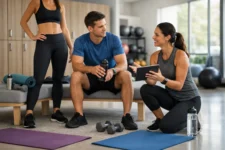
The leggings vs shorts workout debate gets real the moment your first set starts. The wrong pair can slide at the waistband during squats, trap heat on a summer run, or leave you adjusting fabric instead of focusing on your next rep. The right pair feels like training support – comfortable, secure, and ready for the way you move.
Neither option wins every workout. Leggings bring coverage, compression, and confidence for many lifters and studio regulars. Shorts bring airflow and freedom when the temperature climbs or your session turns fast and sweaty. Your best choice comes down to training style, gym conditions, fit, and personal comfort.
Leggings vs Shorts Workout: Start With Your Training
Think beyond the mirror. Activewear should help you train harder, not create one more distraction. A pair that works beautifully for a strength day may feel heavy on a long outdoor run, while lightweight running shorts may not provide the coverage you want for deadlifts or yoga.
For strength training, leggings are often a go-to because they stay close to the body and reduce fabric movement around benches, machines, and barbells. A high-rise waistband can feel especially secure for squats, lunges, Romanian deadlifts, and core work. Many athletes also like the mild compression effect, which can create a held-in, supported feel during long lifting sessions.
Shorts are excellent for explosive training, conditioning circuits, cycling, and warm-weather cardio. They release heat quickly and give your legs room to move through sprints, box jumps, lateral shuffles, and high-knee drills. Men may prefer a liner short under a looser outer layer, while women may choose fitted biker shorts or lightweight running shorts based on coverage preferences.
The practical answer is simple: match the garment to the session, not a rule. Building a small activewear rotation gives you more useful options than forcing one style through every workout.
When Leggings Are the Better Training Move
Leggings shine when coverage and a locked-in fit matter most. For gym-goers who train early, commute in cooler weather, or move between strength work and recovery errands, they are an easy all-day choice. A quality pair should stay opaque through a deep squat, hold its shape, and have seams that do not rub during repeated movement.
They are particularly useful for lower-body strength days. When you are working through goblet squats, hip thrusts, split squats, and leg presses, fitted fabric stays out of the way. That means less bunching behind the knees and fewer loose hems catching on equipment. If you use a foam roller after training, leggings can also make the transition from workout to recovery feel more comfortable in a cool gym.
Yoga, Pilates, barre, and mobility sessions are another natural match. Full-length or cropped leggings create clean lines that make it easier to check alignment, especially during hip hinges, lunges, and balance work. The coverage can also help you feel more confident in positions where loose shorts may shift.
Cold-weather runners benefit, too. When wind and low temperatures can make the first mile miserable, leggings help keep muscles warm without requiring bulky layers. Look for moisture-wicking fabric rather than heavy cotton. Cotton can hold sweat against the skin, leaving you chilly once your pace drops.
Leggings are not automatically better, though. Thick fabric may feel restrictive during intense heat, and an overly compressive waistband can become uncomfortable during long cardio sessions. The fit should feel secure, never punishing.
What to Look for in Workout Leggings
Prioritize performance details over a trendy color alone. A wide waistband is less likely to roll, while four-way stretch supports squats, lunges, and dynamic warmups. Flat seams can reduce chafing, and a side pocket is genuinely helpful for keys, a card, or your phone during walks and treadmill sessions.
For higher-sweat workouts, choose breathable, quick-drying fabric. For lifting, a squat-proof finish and a waistband that does not slide are worth paying attention to. If you are between sizes, test the range of motion first: squat, hinge, twist, and raise a knee. A good pair moves with you without going sheer or digging in.
When Shorts Are the Better Training Move
Shorts are built for airflow. On a humid run, a garage-gym conditioning session, or a packed cardio class, that difference matters. Less fabric around the legs can help you feel cooler and less weighed down as sweat builds.
They also make sense for workouts that demand speed. Running intervals, agility ladder drills, battle ropes, and HIIT often feel better in shorts because there is less material to manage. If your training includes outdoor walks, cycling, or weekend recreation, shorts can be the piece you reach for most from late spring through early fall.
Biker shorts offer a useful middle ground. They provide more coverage than traditional athletic shorts but feel cooler than full-length leggings. Many lifters like them for leg day, while runners may prefer them for a secure, no-flap fit. A longer inseam can help prevent inner-thigh chafing, especially during running or high-rep conditioning.
Looser shorts can be comfortable, but they require a little more attention to construction. Deep squats, floor exercises, and rowing can cause wide-leg styles to ride up or shift. Built-in liners, a comfortable drawstring, and a cut that allows movement without excess fabric can make a major difference.
What to Look for in Workout Shorts
Inseam is one of the biggest decisions. Shorter inseams feel cooler and can be great for runners, but they may ride up more. Longer inseams offer added coverage and can reduce friction, particularly for cycling, hiking, and strength circuits. There is no universally ideal length – your comfort while moving is the real test.
For high-intensity work, choose sweat-wicking fabric and a waistband that stays put. For lifting, look for shorts that allow a deep range of motion without pulling across the hips. Pockets are useful, but bulky items can bounce during running, so a zip pocket or close-fitting phone pocket is usually the smarter choice.
Heat, Chafing, and Coverage: The Real Deciders
Temperature is an obvious factor, but it is not the only one. Some people sweat heavily and prefer shorts even indoors. Others prefer leggings year-round because they dislike skin-to-bench contact, want more coverage, or simply feel more focused when they are fully supported.
Chafing deserves more attention than it gets. It can turn a solid workout plan into a reason to skip tomorrow’s session. If your thighs rub during walks, runs, or cardio intervals, fitted biker shorts or leggings may be more comfortable than loose shorts. If you wear leggings, make sure the inner seams are smooth and the fabric does not bunch at the crotch or behind the knees.
Coverage is personal, and it should stay that way. You do not need to wear shorts because it is hot if leggings help you feel confident. You do not need to wear leggings because they are popular if shorts let you move better. Confidence supports consistency, and consistency is where visible progress starts.
Build a Workout Wardrobe That Works Harder
A smart activewear lineup covers your actual week. If you lift three days, run twice, and take one recovery-focused mobility day, own pieces that fit those sessions. You will get more use from two reliable pairs of leggings, a couple of fitted shorts, and one lightweight running short than from a closet full of gear that only looks good standing still.
Consider fabric weight, washing frequency, and your usual training location. Home-gym athletes may need fewer layers than someone walking to a commercial gym in winter. Outdoor runners may want both warm-weather shorts and cold-weather leggings. If you train before work, choose pieces that can handle a fast transition from treadmill, dumbbells, or bike to the rest of your day.
FitwellGoods makes it easier to shop by goal, whether you are building a strength-focused gym bag, refreshing your cardio basics, or adding recovery tools to your routine. Watch for hot picks and stack-friendly essentials so your apparel upgrade supports the rest of your training setup.
The best workout bottoms are the ones you stop thinking about after the warmup. Choose leggings when you want coverage, support, and a secure feel. Reach for shorts when you want airflow and unrestricted speed. Then put your energy where it pays off most: showing up, working with purpose, and coming back ready for the next session.




&url=https://fitwellgoods.com/shop/speed-agility/sports-agility-ladders/juvale-agility-ladder-workout-equipment-with-6-speed-training-cones-and-resistance-parachute-footwork-skills-drill-gear-for-football-and-soccer-20-ft/&media=https://m.media-amazon.com/images/I/41nTC1sWrAL._SS1024_.jpg)

