
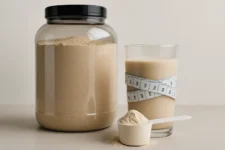
Your day is already packed, and weight loss usually fails in the same two places: you get hungry between meals, or you try to “eat clean” and accidentally under-eat protein. That is where protein powder earns its keep. It is not magic, and it is not a meal plan. But used well, it can make a calorie deficit feel easier, keep training performance from sliding, and help you stay consistent when life gets loud.
Why protein helps fat loss (and where powder fits)
Protein supports weight loss mostly because it changes your behavior and your body’s response to dieting. Higher-protein eating tends to keep you fuller for longer, which can reduce snack creep and portion drift. It also helps preserve lean mass while you lose weight, which matters if you are lifting, doing classes, or building a home-gym routine and want your shape to improve as the scale drops.
Protein powder is simply a convenient way to hit a target without cooking another chicken breast at 9:30 pm. It is especially useful on mornings you are rushing out the door, after workouts when appetite is weirdly low, or during afternoon “I need something” moments when the vending machine looks like a personality.
The trade-off is that powders are easy to overdo. Drinking calories can be less satisfying than chewing them, and some shakes become sneaky desserts. The goal is strategic use, not adding extra calories on top of your usual intake.
Protein powder for weight loss: what “good” looks like
A protein powder is a good fit for weight loss when it helps you control calories while keeping protein high. In practice, that usually means a product with a solid protein-to-calorie ratio and minimal add-ons that spike the calorie count.
Look for a serving that lands around 20-30 grams of protein with calories that make sense for your day. Many people do well with 100-160 calories per scoop range, but it depends on the formula and your overall plan. If your “one scoop” shake turns into two scoops plus peanut butter plus oats plus syrup, it may still be healthy, but it is no longer a weight-loss tool.
Also pay attention to how it sits in your stomach. A powder that causes bloating, cramps, or bathroom chaos is not “disciplined.” It is just a bad match.
Choosing the right type: whey, casein, plant, and more
You do not need a single perfect pick. You need the one you will actually use consistently and digest well.
Whey: the easy, versatile default
Whey protein is popular for a reason. It mixes easily, tastes good in most flavors, and is rich in leucine, an amino acid that supports muscle protein synthesis. If you lift weights or do higher-intensity training, whey is a strong all-around option.
If you are trying to keep calories tight, whey isolate is often leaner than whey concentrate, with less lactose and sometimes fewer carbs and fats. That can be helpful if dairy bothers you or you want a cleaner macro profile.
Casein: the “stay full longer” play
Casein digests more slowly, so it can feel more filling. Many people like it as an evening shake when late-night snacking is a struggle. The texture is thicker, which can be a plus for satiety but a minus if you hate creamy shakes.
Plant protein: great for dairy-free, sometimes tougher to love
Plant blends (pea, rice, pumpkin seed, and others) can absolutely support weight loss. The main differences are texture, taste, and amino acid profile. Many plant powders use blends to improve the amino balance and mouthfeel.
If you go plant-based, aim for a serving size that still gives you that 20-30 grams of protein without a big calorie jump from added carbs or fats.
Collagen: helpful, but not a primary protein
Collagen can support joints, skin, and connective tissue, but it is not a complete protein. If weight loss is your goal and you are using powder mainly to hit protein targets, collagen is better as an add-on, not your main daily scoop.
How much protein do you actually need?
For weight loss while training, many active adults do well in the ballpark of 0.7-1.0 grams of protein per pound of goal body weight per day. That range is not a rule for everyone, but it is a practical starting point.
If you are smaller, older, newer to training, or eating in a steeper deficit, you may need to experiment to find the sweet spot where you feel satisfied and recover well. If you are consistently sore, losing strength fast, or feeling ravenous at night, you may be under-doing protein or overall calories.
Protein powder is not meant to replace real food entirely. Think of it as the bridge between meals that makes the whole plan easier to execute.
Timing that actually helps (without being complicated)
Timing is less important than total daily protein, but a few patterns reliably help people lose weight without feeling miserable.
Use a shake to prevent a predictable snack spiral
If 3-5 pm is your danger zone, a protein shake or a protein-forward smoothie can reduce impulsive grazing. The best shake is the one you drink before you start “just grabbing something” in the kitchen.
Post-workout is useful, not magical
A shake after training is convenient because you are already in a routine. It can also prevent the “I worked out, I can eat anything” rebound. If you train in the morning, a post-workout shake can double as breakfast. If you train after work, it can keep you from arriving home starving and overserving dinner.
Casein at night can reduce late snacking
If you frequently snack after dinner, a thicker, slower-digesting shake can be a helpful swap. Not because night calories are cursed, but because the habit is often driven by hunger plus fatigue.
The biggest mistakes that stall progress
Most people do not fail because they picked the wrong flavor. They fail because the shake becomes extra calories instead of a substitution.
One common mistake is “liquid meal drift” – you start with protein and water, then add milk, then add banana, then add nut butter, then add granola. That can be an awesome bulking shake. For weight loss, it can erase your deficit fast.
Another issue is using protein powder to compensate for a plan with no structure. If your meals are random and low-protein, a shake can help, but it is not going to solve inconsistent eating patterns on its own.
Finally, watch the weekend effect. If you are tight Monday through Thursday but loose Friday through Sunday, the shake is not the problem. The weekly average is.
Simple ways to make shakes more filling (without turning them into dessert)
If you want more satiety with minimal calories, use thickness and fiber instead of sugar and fat. Blend with ice for volume, or mix with less liquid to make it pudding-like if that helps you feel satisfied. Adding a small amount of fiber (like chia) can help some people, but go slow – too much fiber too quickly can backfire.
Flavor matters for consistency, but “tastes like a milkshake” often comes with a calorie price tag. If your goal is weight loss, let the shake be a tool, not a treat you have to earn.
Pair protein with training for the best “look” results
Weight loss is not only about getting lighter. Most people want to look leaner and feel stronger. That is where resistance training changes the game.
If you are lifting even 2-4 times per week, hitting protein targets becomes more important because it helps preserve muscle while you lose fat. If you are mostly doing cardio, protein still matters for satiety and recovery, but you will usually see the best body composition results when you combine a calorie deficit with strength work.
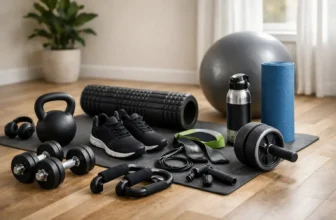
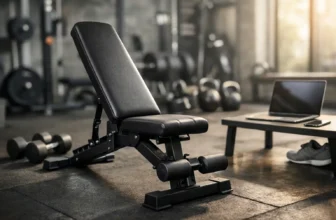
That can be as simple as dumbbells at home, a bench, bands, or a gym routine. Build the habit, then use protein powder to support it.
Who should be cautious
If you have kidney disease, are pregnant, or have medical conditions that change protein needs, check with a clinician before pushing protein higher. Also, if you have a sensitive stomach, start with half servings and see how you respond, especially with sugar alcohols or very high-dose blends.
And if you find yourself relying on shakes because whole foods feel stressful, it might be worth simplifying meals rather than replacing them. A plan you can live with beats a perfect plan you cannot.
Make it easy to stick with
The best approach is the one that removes friction. Keep your powder where you will use it. Pre-portion servings if mornings are chaotic. Pick a flavor you enjoy enough to repeat. If you like deal-forward shopping and building a simple nutrition stack alongside training essentials, you can find protein options and weight-management picks in one place at FitwellGoods.
A protein shake will not “cause” weight loss. But if it helps you hit protein, control hunger, and keep workouts consistent, it can make your next 8 weeks feel simpler – and simple is what gets results.









&url=https://fitwellgoods.com/shop/activewear/womens-activewear/womens-athletic-shorts/quenteen-womens-athletic-shorts-jogger-sweat-casual-loose-bermuda-shorts-available-in-plus-size/&media=https://m.media-amazon.com/images/I/41zIzt32-NS._SS1024_.jpg)
&url=https://fitwellgoods.com/shop/yoga/yoga-mat-bags/yoga-mat-bag-long-strap-yoga-mat-tote-sling-carrier-with-side-pocket-zipper-pocket-fits-most-size-matsblack/&media=https://m.media-amazon.com/images/I/419fYKvocaL._SS1024_.jpg)


