
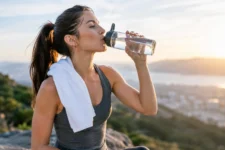
A strong workout can fall apart fast when your water bottle is an afterthought. The right workout hydration strategies help you maintain energy, train with better focus, and finish your session feeling like you worked hard – not like you hit a wall halfway through.
Hydration is not just about chugging water when you are thirsty. Your needs change based on workout length, intensity, heat, sweat rate, body size, and what you ate before training. A 30-minute strength session in a climate-controlled home gym calls for a different plan than a long run in July or a high-sweat conditioning class.
Workout Hydration Strategies Start Before You Train
The best time to think about hydration is not when you are already sweating through your shirt. Start your workout reasonably hydrated by drinking fluids consistently throughout the day. If you wake up thirsty, have a dry mouth, or notice dark yellow urine, you may already be playing catch-up before your warm-up begins.
For most active adults, drinking water with meals and keeping a bottle within reach during work, errands, or home-gym training is a practical foundation. You do not need to force gallons of water just because a fitness challenge told you to. Overdoing plain water can leave you feeling bloated and may dilute electrolytes when taken to extremes.
In the two to four hours before training, have fluids with a meal or snack. A simple pre-workout meal with carbohydrates, protein, and some sodium can support both training fuel and fluid retention. Think oatmeal with fruit and yogurt before a morning cardio session, or rice, lean protein, and vegetables before an evening lift.
If you train first thing in the morning, keep the plan easy. Drink a glass or bottle of water after waking, then sip as you get ready. For hard or longer sessions, especially if you are a heavy sweater, an electrolyte drink can make more sense than plain water alone.
Do Not Rely on Thirst Alone
Thirst is useful, but it can lag behind your actual needs during intense exercise. That does not mean you need to measure every ounce forever. It means paying attention to patterns: Do you get headaches after spin class? Does your performance drop late in workouts? Are you unusually drained after training in heat?
Those are clues to adjust your routine. Hydration should be personalized, not copied from the person on the treadmill next to you.
What to Drink During a Workout
For shorter workouts, water is usually enough. If you are lifting for 45 minutes, doing yoga, taking a brisk walk, or completing a moderate at-home workout, sip water as desired and focus on your form, effort, and recovery afterward.
The equation changes when exercise lasts more than about an hour, takes place in high heat or humidity, or involves repeated high-intensity effort. In those situations, you lose more fluid and sodium through sweat. An electrolyte beverage can help replace sodium and make fluids easier to retain, while carbohydrates may support performance during prolonged endurance work.
A useful rule is to sip regularly rather than waiting for a scheduled water break. There is no prize for finishing a workout with an untouched bottle, and there is no benefit to sloshing around from drinking too much at once. Keep your bottle where you can reach it between sets, near the treadmill console, or beside your mat.
For many people, about 4 to 8 ounces every 15 to 20 minutes is a reasonable starting point during demanding workouts. But the number is not a mandate. A smaller athlete in a cool room may need less, while someone running outside in hot weather may need considerably more.
Water, Electrolytes, and Sports Drinks
Water is the everyday go-to. It is affordable, accessible, and effective for most training sessions. Electrolyte products become valuable when sweat losses are high, particularly for long workouts, outdoor summer training, double-session days, or athletes who notice salty residue on their skin or clothing after exercise.
Sodium is the primary electrolyte lost in sweat, so it deserves more attention than flashy labels suggest. Potassium, magnesium, and calcium also play roles in normal body function, but a supplement with an impressive ingredient list is not automatically the best workout choice. Look at the context: how long you train, how much you sweat, and whether the drink fits your energy needs.
A sports drink with carbohydrates can be useful for endurance events, long rides, hard court sports, or extended conditioning sessions. For a quick strength workout, it may simply add calories you do not need. If your goal is body composition, choose products that support the session without turning hydration into a hidden sugar habit.
Use Caffeine With a Plan
Pre-workout formulas and coffee can help some people feel more alert and ready to perform. They can also make it easier to ignore early signs of fatigue, especially in hot conditions. Caffeine does not automatically dehydrate everyone, but it is not a replacement for fluids and electrolytes.
If you use a stimulant-based pre-workout, bring water and pay attention to how your body responds. Start with the labeled serving size, avoid stacking multiple caffeinated products, and skip it if you have been advised to limit caffeine. Energy is valuable, but control and recovery matter too.
Hydration for Different Types of Training
Your training style should influence your hydration plan. Long-distance cardio and high-volume circuit training generally create the biggest fluid demands. Heavy strength training may involve less total sweat for some people, but a warm garage gym, long rest periods, and layers of apparel can still add up.
For endurance training, use your longer weekend session as a test run. Practice sipping fluids at the same intervals you would use on race day or during a big event. Try electrolyte and carbohydrate options before the event, not for the first time when the stakes are high.
For strength workouts, water is usually the base. Add electrolytes when sessions run long, temperatures climb, or you sweat heavily. Keep your bottle nearby during squats, deadlifts, kettlebell work, and interval finishers. Small sips between sets are easier than trying to make up for a full hour of missed drinking.
For hot-weather and outdoor workouts, prepare earlier. Start hydrated, wear breathable activewear, take shade breaks when possible, and carry more fluids than you think you will need. Heat illness can become serious. Stop exercising and get help if you experience confusion, fainting, chest pain, severe weakness, or symptoms that do not improve with rest and cooling.
Recover Better After the Last Rep
Post-workout hydration is where consistency pays off. Replace fluids over the next few hours instead of treating recovery like a race to empty a giant bottle. Pairing fluids with a balanced meal or snack helps your body restore energy and retain what you drink.
After a sweaty session, a recovery meal with protein, carbohydrates, and sodium is a smart move. A protein shake with a salty snack, eggs and toast, or chicken with rice can fit the job depending on your schedule and goals. If you are training again later that day, recovery hydration becomes even more important.
One of the simplest ways to learn your needs is to weigh yourself before and after a few hard sessions, without clothes or in similar clothing. A meaningful drop in body weight after training usually reflects fluid loss. For every pound lost, aim to gradually drink roughly 16 to 24 ounces of fluid afterward, along with food or electrolytes as appropriate.
Do not obsess over a single weigh-in. Use the information to spot trends and build a better plan for your own sweat rate.
Build a Hydration Setup You Will Actually Use
Complicated plans rarely survive a busy week. Make hydration convenient: keep a durable bottle in your gym bag, one at your desk, and one near your home-gym setup. Choose a bottle you enjoy using, whether that means a straw lid for quick sips, insulation for cold water, or larger capacity for long sessions.
Stock what matches your goals. Water may be all you need most days. Keep electrolyte mixes ready for hot workouts, long cardio blocks, and demanding training phases. If you are building a full performance routine, FitwellGoods makes it easier to shop hydration essentials alongside training gear, recovery tools, and nutrition picks that fit your plan.
The most effective hydration habit is the one you can repeat. Start your next session with a filled bottle, sip with purpose, and adjust based on how you feel, perform, and recover.