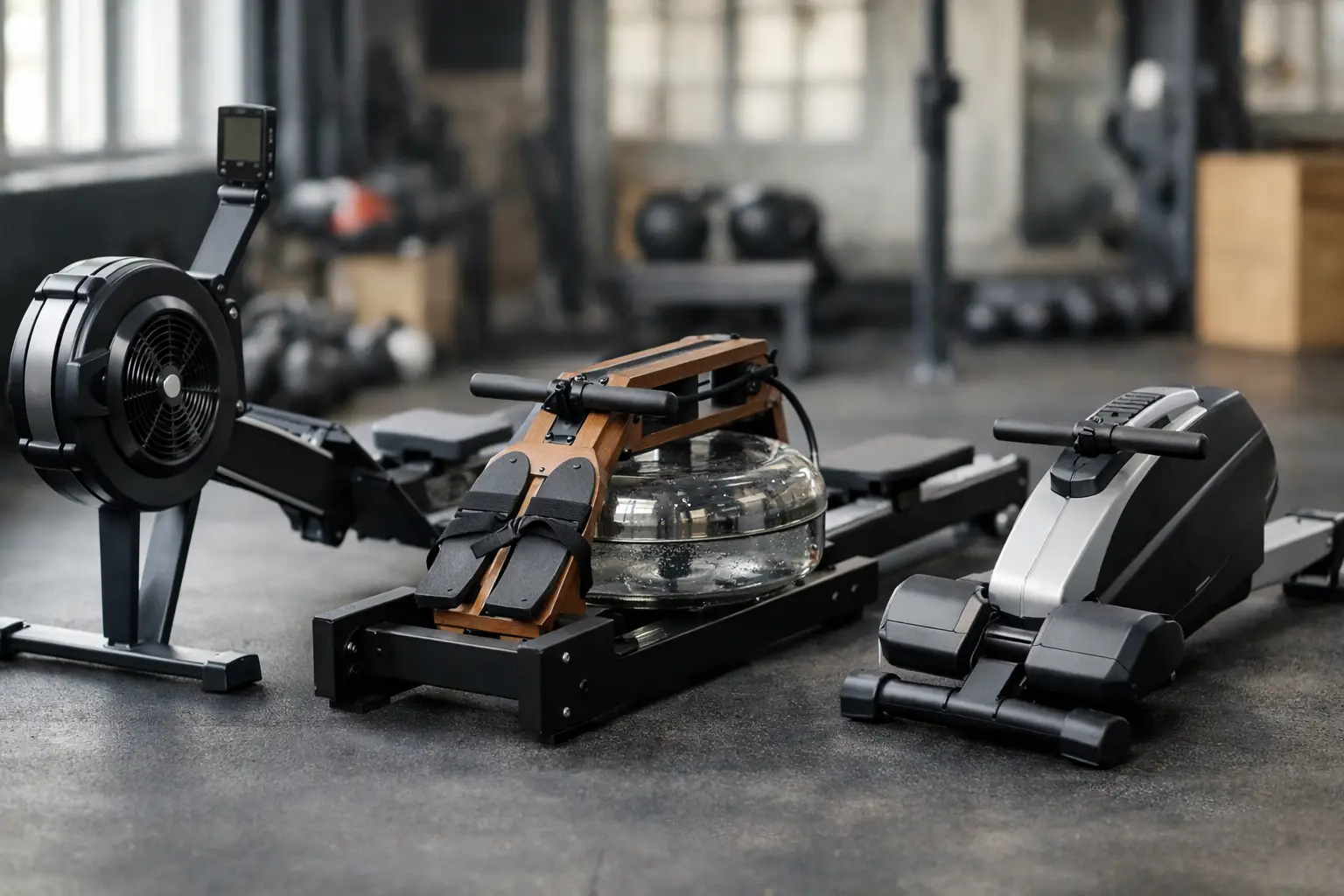
A rowing machine can look like a simple cardio buy until you realize resistance changes everything – how the stroke feels, how hard you can push, how noisy the machine gets, and whether you will actually want to use it three months from now. If you’re figuring out how to choose rowing machine resistance, the best move is to match the resistance style to your training goal first, then your space, budget, and experience level.
Why resistance matters more than most shoppers expect
Two rowers can have similar screens, similar rails, and similar price tags, yet feel completely different once you start pulling. Resistance is what shapes that feel. It affects whether each stroke feels smooth and fluid, heavy and strength-focused, or quick and cardio-driven.
That matters because a rowing machine is not just a calorie-burn tool. It can be your low-impact conditioning piece, your interval machine, your steady-state fat-loss option, or part of a full home-gym setup. The right resistance makes those sessions feel productive. The wrong one makes every workout feel like a compromise.
How to choose rowing machine resistance for your goal
Start with the question most people skip: what do you want this machine to do for you week after week?
If your main goal is general fitness, weight loss, and consistent cardio at home, you usually want a resistance style that feels smooth, is easy to adjust, and does not overcomplicate the workout. Magnetic rowers often fit that need well because they are quiet and predictable.
If you want the most realistic on-water feel, air and water rowers usually stand out. They respond to your effort in a more dynamic way. Pull harder and the machine pushes back more. That can make workouts feel more athletic and more engaging, especially for experienced users.
If you want a budget-friendly machine for light to moderate use, hydraulic resistance may seem appealing. It can save space and money, but the trade-off is usually a less natural rowing motion and a less premium feel over time.
The best resistance is not the one with the flashiest spec sheet. It is the one that supports the kind of training you will actually repeat.
The four main resistance types
Magnetic resistance
Magnetic rowers use magnets to create tension against the flywheel. For many home users, this is the easiest place to start. The stroke is typically smooth, the resistance levels are easy to change, and the machine stays much quieter than air or water models.
That quiet ride is a big win if you train early, live in an apartment, or share space with family. It also makes magnetic rowers appealing for professionals squeezing in workouts before work or after the kids go to sleep.
The trade-off is feel. Some magnetic rowers can feel a little less responsive than air or water machines, especially for stronger athletes who want a more aggressive pull. If you care most about convenience, low noise, and straightforward home cardio, magnetic is often a smart pick.
Air resistance
Air rowers create resistance with a fan flywheel. The harder you pull, the more resistance you generate. That makes them popular for interval training, conditioning, and users who want workouts to scale naturally with effort.
This style tends to feel more open and performance-focused. It rewards strong leg drive and solid technique. If you like pushing hard and want a machine that grows with your output, air resistance is a serious contender.
The main downside is noise. Air rowers are not subtle. For some people that gym-style sound feels motivating. For others, especially in shared spaces, it is a dealbreaker.
Water resistance
Water rowers use paddles moving through a water tank. The result is a smooth, natural stroke with a sound many users find more pleasant than the fan noise of air rowers. There is a realism here that often appeals to shoppers who want the closest thing to on-water rowing without leaving home.
Water resistance can feel premium and immersive. It is often a favorite for buyers who care about workout experience, not just basic function. If the machine makes you want to row longer, that matters.
The trade-offs are usually price, size, and maintenance. Water rowers can cost more, and while maintenance is not intense, it is still more involved than a basic magnetic setup.
Hydraulic resistance
Hydraulic rowers use pistons attached to the handles or frame. They are often compact and more affordable, which makes them tempting for small spaces or entry-level budgets.
But this is where expectations matter. Hydraulic machines can work for light exercise, but many do not deliver the long, fluid stroke people picture when they think of rowing. For taller users or anyone chasing a more realistic full-body row, they may feel limiting pretty quickly.
If budget and footprint are your biggest priorities, hydraulic can make sense. If workout quality and long-term satisfaction matter more, it is worth comparing other options before you buy.
Match resistance to your training style
The fastest way to narrow the field is to think about how you train now.
If you like steady 20- to 40-minute sessions for fat loss, heart health, or daily movement, magnetic and water resistance are often great fits because they feel smooth and repeatable. If you love hard intervals, race-style efforts, or performance tracking, air resistance usually feels more rewarding.
If your rowing machine will be part of a bigger setup with dumbbells, benches, and recovery tools, you may want a rower that complements strength days without adding friction to your routine. Quiet magnetic machines often win here because they are easy to use any time. If the rower is your main event, investing in a more dynamic resistance feel can pay off.
Fitness level matters, but not the way most people think
Beginners often assume they need the highest possible resistance range. Usually, they do not. What they need is a machine that allows controlled technique, comfortable progression, and regular use.
A smoother, quieter resistance style can help new users build consistency faster. That is often more valuable than maxing out resistance settings you may never use well.
More advanced users should think less about the number of resistance levels and more about responsiveness. Does the machine let you push hard without feeling jerky or capped? Does the stroke still feel strong at higher effort? Those answers matter more than marketing language.
Don’t ignore noise, space, and upkeep
Resistance is not just about workout feel. It affects how the machine fits into your life.
Noise is a huge buying factor. If you need quiet, magnetic is usually the safest bet. Water can be moderate and soothing for some users. Air is the loudest. Hydraulic varies, but the workout feel is often the bigger concern.
Space matters too. Some rowers store upright, some fold, and some demand a more permanent footprint. If you are building a home gym in a garage or basement, you may have more flexibility. If your rower is going in a bedroom or living area, size and sound suddenly become part of the resistance decision.
Maintenance is the last filter. Magnetic rowers are usually low-fuss. Water rowers may need occasional tank care. Air rowers can require routine cleaning around the flywheel area. None of that is extreme, but your ideal machine should fit your real habits, not your best-case intentions.
How to choose rowing machine resistance without overspending
A higher price does not automatically mean a better fit. It usually means a different combination of feel, build quality, display features, and materials.
If your goal is reliable home cardio, a well-chosen magnetic rower can be a strong value play. If you want a more immersive training experience and know you will use it often, spending more on air or water resistance may feel worth it. The mistake is paying for advanced performance features when what you really need is convenience and consistency.
This is where comparing models side by side helps. When you shop curated fitness equipment collections at places like FitwellGoods, it is easier to sort by use case instead of getting buried in specs that do not affect your actual workouts.
The smart shortlist before you buy
Before you make a final pick, ask yourself four simple questions. Do I want quiet workouts or a more performance-driven feel? Am I using this for steady cardio, hard intervals, or both? How much space do I really have when the machine is in use and in storage? And will I still like this resistance style after the first month of motivation fades?
That last question is the big one. The best rowing machine resistance is the one that keeps pulling you back for another session.
Choose for the workouts you want to do on ordinary weeks, not the version of you shopping on a high-energy day. That is usually the buy that turns into real progress.