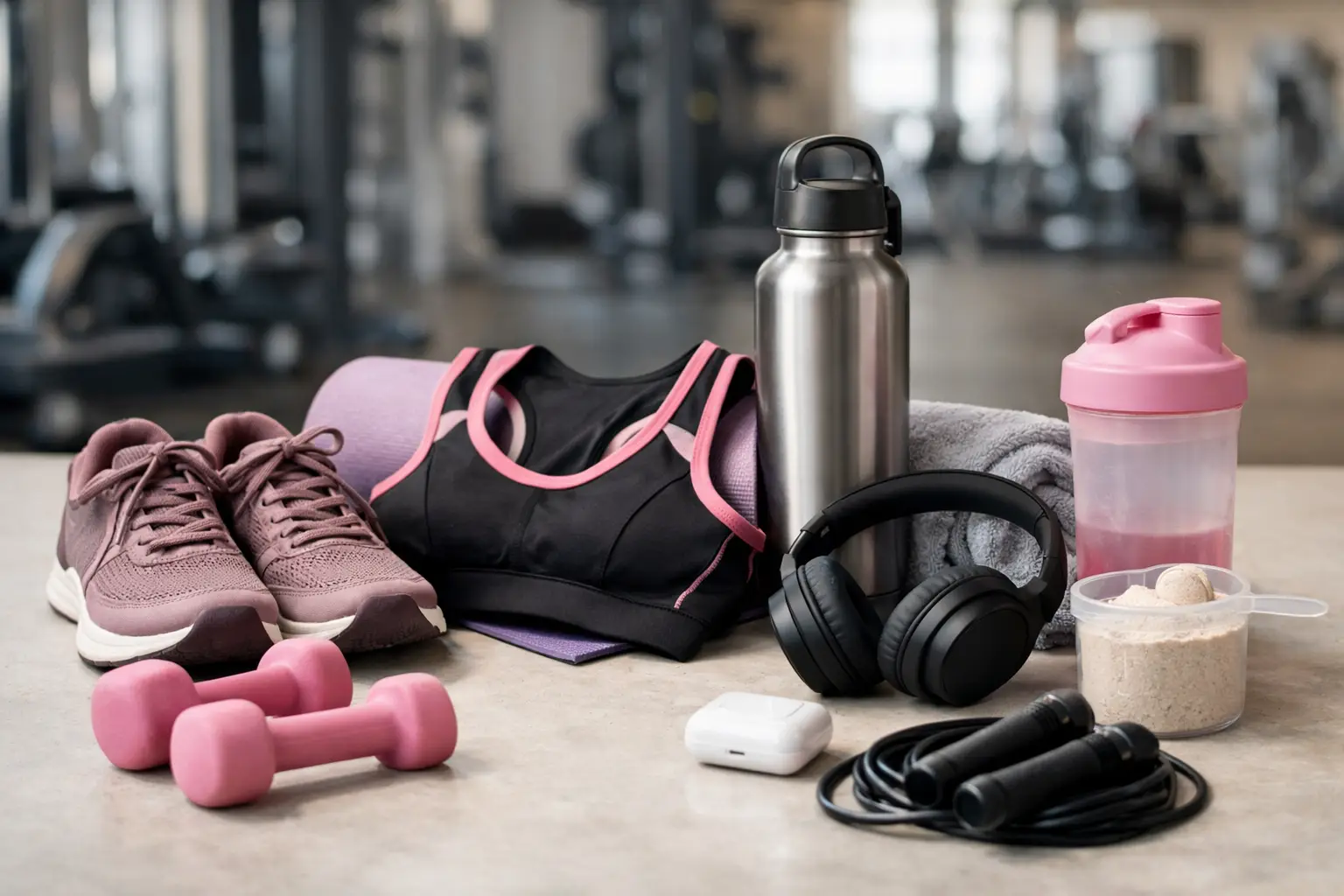
The right gym setup should make showing up easier, not give you another reason to skip the workout. This guide to women’s gym essentials focuses on the pieces that earn their place in your routine: gear that moves with you, supports your training, and helps you recover well enough to do it again tomorrow.
Forget the idea that you need a closet full of matching sets or every trending accessory. Start with the essentials that match how you actually train, whether that means lifting before work, taking a weekend Pilates class, training at home, or building confidence on the gym floor.
Start With Women’s Gym Essentials That Move With You
Activewear is not just about looking put together. A waistband that rolls, shorts that ride up, or a sports bra that does not match the impact level of your workout can pull your focus away from every rep. Build your foundation around comfort, coverage, and movement first.
For bottoms, choose leggings or shorts based on your preferred training style and temperature. High-rise leggings with a squat-friendly, opaque fabric are a reliable pick for strength sessions, walking, and studio workouts. Shorts can feel cooler for cardio and high-sweat days, but look for a secure waistband and an inseam that lets you move without constant adjusting. Pockets are a practical bonus when you want your phone, key, or gym pass close by.
Your top should suit the session, too. A relaxed tee or breathable tank works well for lifting and lower-intensity training. For cycling, running, intervals, or any workout with lots of jumping, moisture-wicking fabric can feel noticeably more comfortable. You do not need every item to be compression fit. The best fit is the one that lets you train without tugging, pulling, or overheating.
Choose a Sports Bra for the Workout, Not the Outfit
One supportive sports bra can change the quality of a workout. Low-impact bras are often enough for yoga, walking, mobility work, and light strength training. Medium support suits many gym sessions, including weight training and cycling. High-impact support is the better call for running, plyometrics, HIIT, and sports with repeated jumping.
Fit matters more than the label. The band should feel secure without digging in, and the straps should stay in place through overhead movement. If you are between sizes, test the bra with the motions you actually do. A few squats, arm circles, and quick hops will tell you more than a mirror check.
Training Shoes Deserve More Thought Than Most People Give Them
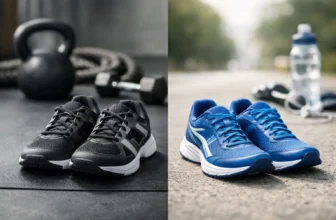
Your everyday running shoes are not automatically ideal for every workout. Cushioned shoes support running and walking, but their soft, elevated soles can feel unstable under heavier lifts. Cross-training shoes usually offer a flatter, more grounded feel for strength work, functional training, and short cardio intervals.
If you lift seriously, a stable shoe is worth prioritizing. If your routine is mostly treadmill miles, choose comfort and cushioning. Many active gym-goers eventually keep two pairs – one for runs and one for lifting – but beginners can start with a versatile cross-training pair and upgrade as their routine becomes more specific.
Pack the Gear That Solves Real Gym Problems
A gym bag does not need to be overloaded. It needs to remove small friction points that can derail a session. Keep your daily essentials in one ready-to-go place, especially if you train before work or head to the gym straight from the office.
Your basics are a reusable water bottle, a small sweat towel, headphones, a lock if your gym uses lockers, and a way to keep your phone or training plan accessible. Add a hair tie or headband, deodorant, and a fresh pair of socks if you are moving from a workout into the rest of your day. These are simple items, but they make the gym feel more convenient and less like a production.
For hygiene, wipe down equipment before and after use, and do not leave damp clothes in your bag all day. A separate pouch for sweaty gear helps keep the rest of your bag fresh. If you shower at the gym, pack travel-size toiletries and shower sandals. They are not glamorous, but they are smart.
Match Training Accessories to Your Goal
Accessories can add value when they support a clear need. They are not a requirement for a productive workout. The right choice depends on your goal, your experience level, and where you train.
For strength training, lifting straps may help when your grip gives out before your back or legs do during pulls. Wrist wraps can provide extra stability for some pressing movements, although they should not replace good form and gradual load increases. A lifting belt can be useful for heavier compound lifts once you know how to brace, but it is not a shortcut to a strong core.
For home workouts, adjustable dumbbells, resistance bands, a mat, and a bench can cover a surprising number of sessions without taking over a room. A set of kettlebells or a suspension-style trainer can add variety if you enjoy functional training. Cardio equipment makes sense when consistency is your biggest challenge – a treadmill, exercise bike, or rower can turn travel time to the gym into more time spent moving. The trade-off is space and budget, so buy for the workouts you will repeat, not the machine that looks most impressive.
Mobility and recovery tools are another worthwhile category. A foam roller, massage ball, and resistance loop bands can help you build a short warm-up or cooldown habit. They will not fix an injury or replace professional care, but they can make stiff areas feel better and encourage more intentional recovery.
Fuel, Hydrate, and Recover for Consistent Progress
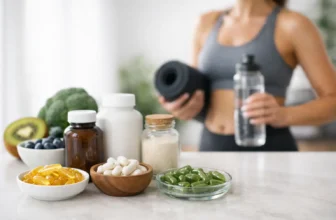
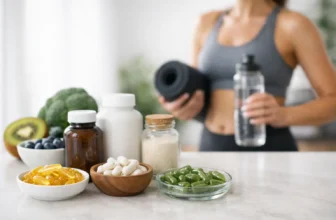
A hard workout needs more than motivation. Hydration, enough food, and quality sleep have a direct effect on how you feel in training. Start with water before and during your session. For longer, hotter, or particularly sweaty workouts, an electrolyte drink may be useful. For a standard 45-minute lifting session, plain water is often enough.
Protein can be a convenient tool when your meals do not reliably provide enough. A ready-to-mix shake after training can help you reach your daily protein target, especially on busy days, but it is not mandatory to drink one the second you rack your last weight. Whole foods work, too. What matters most is your overall intake across the day.
Pre-workout products may support energy and focus for some people, but check the caffeine amount and avoid taking them late in the day if sleep suffers. More stimulation is not always better. If you are pregnant, managing a health condition, taking medication, or sensitive to caffeine, speak with a qualified health professional before adding supplements to your routine.
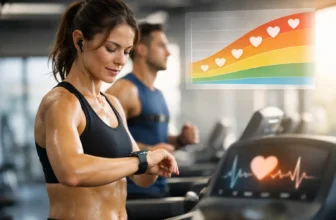
Recovery also means planning easier days. Training hard every day can sound committed, but results come from a repeatable plan that includes rest, walking, mobility, and sleep. The most effective gym essential may be a routine you can maintain.
Build Your First Gym Kit Without Overspending
When every category has a best seller, it is easy to buy too much too soon. Start with a small kit, use it for a few weeks, then fill the gaps you notice. A practical first purchase includes supportive workout clothes, a suitable sports bra, versatile training shoes, a water bottle, and a small bag. From there, choose accessories based on the training you keep returning to.
Use a goal-first shopping approach. If your focus is fat loss and daily movement, prioritize comfortable walking or running shoes, breathable layers, hydration, and recovery basics. If you want to get stronger, invest first in stable shoes, reliable leggings or shorts, and equipment that supports progressive resistance. If home workouts fit your schedule better, build around space-saving tools before considering larger machines.
FitwellGoods makes this simpler by bringing activewear, strength tools, cardio equipment, and wellness staples into one goal-driven shopping experience. Watch for hot picks, stack savings, and limited-time offers, but do not let a deal choose your routine for you. The best value is gear that gets used week after week.
Your gym essentials should feel like support, not pressure. Pick the pieces that make your next workout easier to start, more comfortable to finish, and worth coming back for.