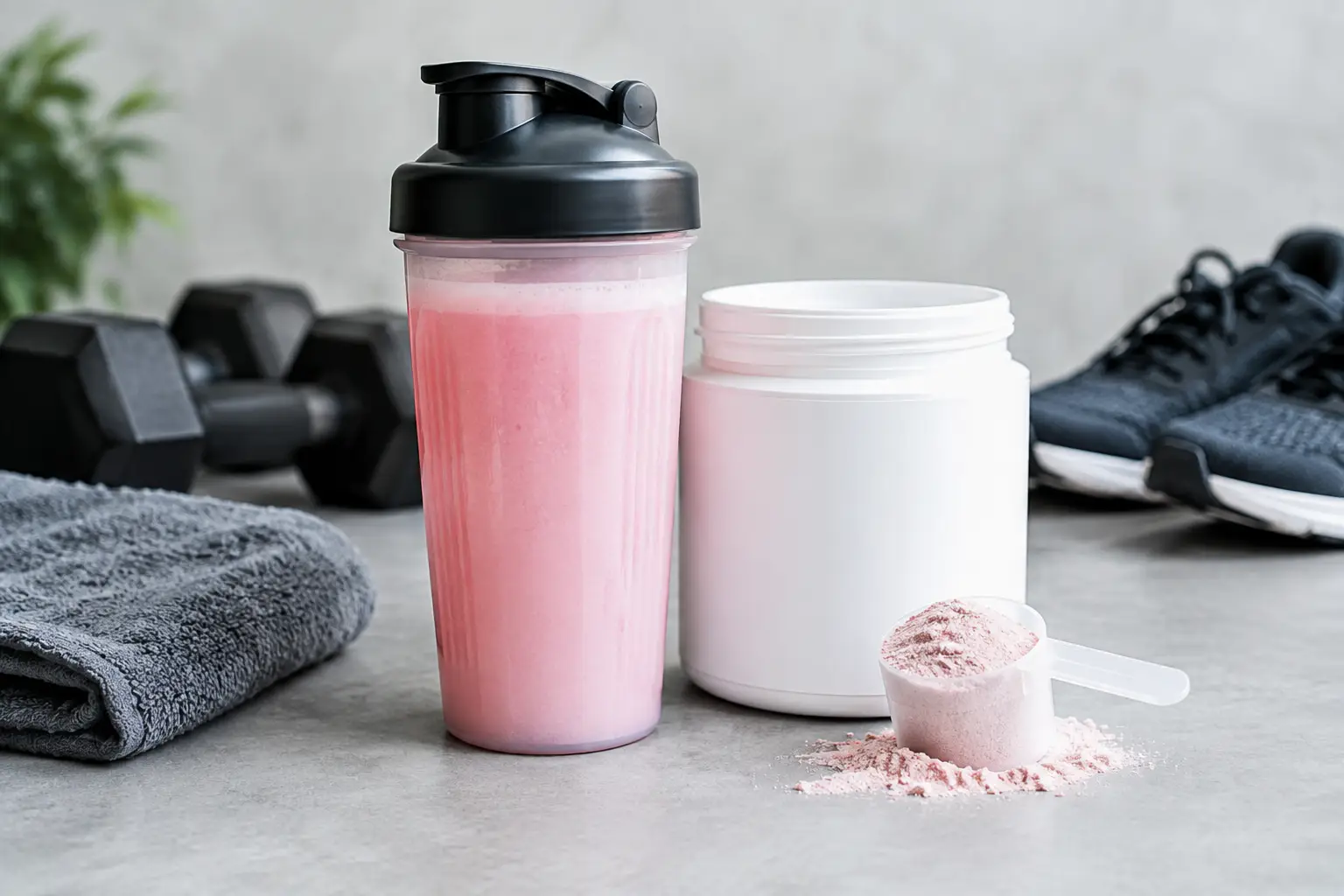
Your workout does not end when the last rep is done or the treadmill stops. The next few hours affect how ready you feel for tomorrow’s session. This recovery drink powder review breaks down what separates a useful post-workout formula from an expensive scoop of flavoring, so you can spend with purpose and recover with a plan.
A recovery powder can be a smart convenience tool, especially if you train before work, lift on a short lunch break, or finish a hard session far from a full meal. It is not magic, and it does not replace consistent nutrition, sleep, or enough total calories. But the right formula can make it easier to get protein, fluids, carbohydrates, and key minerals when your schedule is working against you.
Recovery Drink Powder Review: What It Should Deliver
The best choice depends on the workout you just completed and the goal you are chasing. A 30-minute strength session, a two-hour bike ride, and a high-volume leg day create different recovery needs. That is why the front label matters less than the ingredient panel and the serving size behind it.
For most strength-focused adults, protein is the first filter. A serving with roughly 20 to 30 grams of high-quality protein can support muscle protein synthesis after training. Whey protein is a popular option because it digests efficiently and has a strong essential amino acid profile. Whey isolate can be a better fit for people who want less lactose and fewer carbohydrates, while whey concentrate often delivers better value with a creamier texture.
Plant-based blends can work well, too. Look for a meaningful protein dose and a blend that combines sources such as pea and rice protein rather than relying on a small amount of a single plant protein. The practical question is simple: will you drink it consistently? A powder that upsets your stomach or tastes chalky is not a deal, no matter how impressive the nutrition panel looks.
Carbohydrates are the second major variable. If your workout was long, demanding, or built around endurance, carbs help replenish glycogen, the stored fuel your muscles use during activity. A recovery drink with 30 to 60 grams of carbs may make sense after hard conditioning, long runs, field sports, or double-training days. If your primary goal is fat loss and your workout was moderate, a lower-carb protein recovery formula may fit your daily intake better.
That trade-off matters. More carbs are not automatically better, and low carb is not automatically cleaner. Match the formula to your training load instead of buying based on buzzwords.
The Ingredients Worth Checking
A quality recovery powder does not need a massive label. It needs ingredients that match a clear job. Protein, carbohydrates, and electrolytes cover the basics for many active people. Additional ingredients can be useful, but only when the dose is meaningful.
Electrolytes are particularly helpful if you train in heat, sweat heavily, wear layers for outdoor workouts, or finish your session feeling depleted. Sodium is often the overlooked mineral here. It supports fluid balance and can be more relevant than a label packed with tiny amounts of trendy extras. Potassium and magnesium may also have a place, but do not assume an electrolyte blend is effective just because those words appear on the tub.
Creatine is another worthwhile add-on for lifters and athletes doing repeated high-intensity work. It supports strength and power over time, not as an instant post-workout boost. If a recovery blend includes around 3 to 5 grams, that can simplify your routine. If it includes a token amount, you may be better off using a separate creatine product that lets you control the dose.
Some powders add tart cherry, turmeric, or other botanical extracts. These may appeal to people managing soreness after a heavy block of training, but they should not distract from the fundamentals. Adequate protein, enough calories, hydration, and sleep will move the needle more than a lightly dosed recovery blend ever can.
Be cautious with proprietary blends. They can hide how much of each ingredient you are actually getting. Transparent labels make it easier to compare products, calculate cost per serving, and avoid paying premium pricing for underdosed formulas.
Sugar, sweeteners, and digestion
Sugar is not automatically a red flag in a recovery drink. After a demanding endurance event or a high-volume training day, quick carbohydrates can be useful. The issue is whether the sugar amount fits the product’s purpose and your overall plan. If a powder is marketed as a lean recovery option but delivers dessert-level calories with very little protein, keep shopping.
Sweetener preference is personal. Some people like stevia or monk fruit, while others prefer sucralose for a more familiar taste. Sugar alcohols can cause bloating or digestive discomfort for some users, particularly after intense exercise. If you have a sensitive stomach, start with a half serving on a lower-stakes day rather than trying a new powder before a race, competition, or demanding leg workout.
How to Match a Powder to Your Goal
Think of recovery products as part of a larger stack, not a standalone solution. Your best option changes based on what you are training for.
For muscle gain, prioritize a protein-forward powder with enough total calories to support your surplus. A blend of protein and carbohydrates can be convenient if you struggle to eat after training or need an easy option between work and dinner. Add a banana, oats, or nut butter if you need more calories without buying a separate mass gainer.
For fat loss, look for solid protein per serving without excess calories that you will not use. A powder mixed with water, milk, or an unsweetened milk alternative can help you hit protein targets and manage hunger. Do not treat it as permission to ignore the rest of your day’s intake.
For endurance and high-output training, carbohydrates and electrolytes deserve more attention. You may need a more substantial recovery drink after long rides, runs, HIIT sessions, or sports practices, especially when another workout is coming within 24 hours. In that situation, a low-calorie shake may leave you underfueled.
For general fitness, convenience wins. If you are training three or four times per week and eating balanced meals, a straightforward protein powder plus a piece of fruit may be all the recovery support you need. Save the more specialized formulas for periods when training volume increases.
Taste, Mixability, and Value Matter More Than Hype
A recovery drink has to earn a permanent place in your routine. Flavor and texture are not shallow concerns when you are using a product several times a week. Powders that clump, leave grit at the bottom of the shaker, or taste overly sweet tend to become cabinet leftovers.
Read the serving directions before comparing prices. One tub may look cheaper until you realize it provides half as many full servings or requires two scoops for the advertised nutrition. Calculate cost per serving, then compare protein grams, carbohydrate content, electrolyte levels, and any performance ingredients at that same serving size.
Also consider how you will use it. Single-serve packets cost more but can be convenient for the office, gym bag, or travel. A larger tub generally offers better value if you already know you like the flavor. Shaker bottles, insulated water bottles, meal-prep containers, and a dependable home-gym setup can all make the recovery habit easier to keep.
FitwellGoods shoppers building a complete training routine can save time by choosing recovery support alongside the gear they already use, from resistance equipment and cardio essentials to foam rollers and activewear. The goal is not to buy every trending product. It is to build a practical setup that supports the workouts you actually do.
When a Recovery Powder Is Not the Best Choice
A powder is optional, not mandatory. If you can eat a balanced meal within a couple of hours of training, whole foods can cover the same ground. Greek yogurt and fruit, eggs with toast, chicken and rice, or a smoothie made from regular groceries can all support recovery.
You may also want to skip a multi-ingredient recovery blend if you are trying to identify a digestive issue, manage a food allergy, or keep close control over your calories and supplements. A plain protein powder, separate electrolytes, and real-food carbohydrates give you more flexibility.
Check with a qualified healthcare professional before adding supplements if you are pregnant, nursing, managing kidney disease, taking medications, or have a condition that affects fluid and electrolyte balance. A strong training plan should support your health, not complicate it.
The smartest recovery drink is the one that fits your workload, budget, and stomach while helping you show up ready for the next session. Pick a formula with a clear purpose, test it during normal training, and let consistent effort do the heavy lifting.