
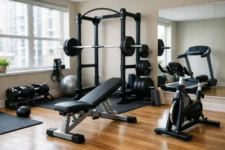
Most people do not need a spare room or a five-figure budget to train well. They need one solid apartment gym setup example that fits real square footage, keeps noise under control, and covers the workouts they will actually do three to five times a week.
That is the real challenge in an apartment. Space is tight, neighbors are close, and one bad equipment choice can eat half your living room or turn every workout into a setup chore. The good news is that a smart apartment gym can handle strength, cardio, mobility, and recovery with far less gear than most people think.
A realistic apartment gym setup example
Here is a setup that works for a one-bedroom apartment, studio, or compact spare room. Picture an 8-by-10-foot area in a bedroom corner, office, or section of the living room. The goal is simple: enough equipment to train hard, not so much that your home starts feeling like storage.
Start with a protective floor layer. Interlocking rubber tiles or a compact exercise mat create a training zone, reduce vibration, and protect your apartment floor from dumbbells, benches, and foot traffic. This is the first buy for a reason. Without it, even good equipment becomes harder to use comfortably.
Next, build around adjustable dumbbells. For most apartment lifters, they deliver the best return on space. One pair can cover presses, rows, split squats, deadlifts, carries, curls, and shoulder work. Fixed dumbbells feel great, but they take up more room fast. If your training is broad and your space is tight, adjustable wins.
Add an adjustable bench if your layout can handle it. A foldable or compact model expands your options right away. Flat and incline pressing, chest-supported rows, seated shoulder work, step-ups, and Bulgarian split squats all become easier to load. If you truly do not have room, a sturdy floor-based routine still works, but the bench adds a lot of value per square foot.
For cardio, go low-impact and low-noise whenever possible. A foldable exercise bike often makes more sense than a treadmill in an apartment. It is easier on neighbors, easier on joints, and easier to tuck away after training. If you want variety without adding a machine, a jump rope is effective but not always apartment-friendly, so many people are better off with fast step-ups, shadow boxing, or low-impact intervals.
Finish the setup with a few small tools that punch above their size: resistance bands, a foam roller, and a yoga mat. Bands add warm-up work, glute activation, assistance, and extra resistance. The roller and mat support recovery, stretching, and core sessions without taking over the room.
What this apartment gym setup example includes
A complete setup does not need 20 categories of equipment. It needs coverage. Your apartment gym setup example should let you train four key areas well: lower body, upper body, conditioning, and recovery.
For lower body, adjustable dumbbells plus a bench can handle goblet squats, Romanian deadlifts, reverse lunges, step-ups, and split squats. That is enough to challenge beginners and still stay useful as you get stronger.
For upper body, the same dumbbells cover chest presses, rows, shoulder presses, lateral raises, curls, triceps work, and floor presses. Resistance bands help with pull-aparts, face pulls, and mobility work that balances all the pressing.
For conditioning, a foldable bike or compact rower can work well, but the decision depends on your apartment. A rower offers strong full-body output, but storage and floor length matter. A bike is usually the safer play for smaller homes and shared walls.
For recovery, the mat and roller are not extras. They are the difference between a setup that supports consistency and one that leaves you stiff enough to skip sessions. If you sit all day and train in a small space, recovery tools earn their spot.
How to choose gear without wasting money
The biggest mistake in apartment gyms is buying for fantasy. People shop like they are building a private training studio, then end up with bulky gear they rarely use. A better move is to buy for your next 90 days.
If your goal is fat loss, body recomposition, or general fitness, start with the tools that create the most repeatable sessions. That usually means dumbbells, a mat, bands, and one cardio option. If your goal is strength progression, put more of your budget into the loadable equipment first. If stress relief and energy are the priority, cardio and recovery gear may deserve a bigger share.
This is where deal-first shopping actually helps. Bundling core equipment with accessories or recovery tools can stretch your budget further than buying one premium item and stopping there. A setup feels complete when you can train, cool down, and come back the next day ready to go.
Space, noise, and storage matter as much as performance
A setup can look impressive online and still be a bad apartment choice. Before buying anything, think through three filters: footprint, noise, and where it lives when you are not using it.
Footprint is obvious, but use space that already exists rather than trying to create a dedicated room. A bedroom corner, the wall behind a couch, or half of a home office can work. Measure first, then leave enough clearance for pressing overhead, stepping backward into lunges, and moving safely around the bench.
Noise is where apartment gyms succeed or fail. Rubber flooring helps, but exercise selection matters too. Controlled strength work is usually fine. Dropping weights is not. Sprinting on a treadmill at 6 a.m. may not be either. If neighbor-friendly training is part of the plan, choose equipment and workouts that respect that reality.
Storage is the final test. Foldable benches, vertical dumbbell stands, under-bed mats, and baskets for bands or mobility tools keep the room usable. If setup and cleanup take ten minutes each, motivation drops fast. Friction kills consistency.
A sample weekly plan for this setup
This kind of gym shines because it supports simple programming. You do not need a complicated split to get results. A four-day routine works well for most busy people.
Day one can focus on lower body and core with goblet squats, Romanian deadlifts, split squats, calf raises, and planks. Day two can be upper body with dumbbell presses, rows, shoulder presses, curls, and triceps work. Day three can be low-impact cardio plus mobility on the bike and mat. Day four can be full-body conditioning with complexes, carries, step-ups, and band work.
The point is not perfection. It is repeatability. A good apartment setup removes excuses because your gear is ready, your space is defined, and your sessions do not require travel, waiting, or a long mental ramp-up.
When to upgrade your apartment gym
Do not upgrade just because something is trending. Upgrade when your current setup creates a clear limitation. If your dumbbells are maxed out on leg work, a heavier pair or a kettlebell may be the next smart move. If cardio is getting stale, adding a second conditioning tool can boost consistency.
If you have extra room and serious training goals, a compact rack or plate-loaded system can make sense. But this is an it-depends decision. In many apartments, versatility beats specialization. More gear is not always more progress.
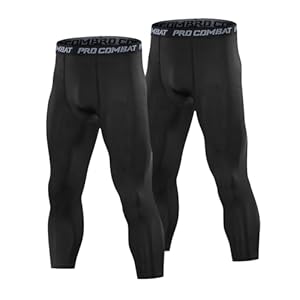
A lot of shoppers also overlook apparel and recovery support when building a gym. Good training shoes, breathable activewear, and basic post-workout support can improve how often you use the setup. That is part of the value of shopping from a broad fitness retailer like FitwellGoods – you can build around your goal instead of piecing everything together from five different places.
The best apartment gym is the one you will keep using
There is no perfect universal layout, only the best match for your goals, square footage, and budget. The strongest apartment gym setup example is usually the one that stays focused: adjustable weights, a bench if it fits, smart flooring, one quiet cardio option, and recovery tools that keep you moving.
That kind of setup does not just save space. It saves decision-making, cuts commute time, and makes training easier to repeat when work is busy and motivation is average. Start with the gear that covers the most ground, look for hot picks and must-have deals that add real function, and build a space that earns its keep every week.





![Tumaz Yoga Strap/Stretch Bands [15+ Colors, 6/8/10 Feet Options] with Extra Safe Adjustable D-Ring Buckle, Durable and Comfy Delicate Texture – Best for Daily Stretching, Physical Therapy, Fitness](https://m.media-amazon.com/images/I/51BduAOgo0S._SS300_.jpg)





&url=https://fitwellgoods.com/shop/yoga/yoga-mat-bags/yoga-mat-bag-long-strap-yoga-mat-tote-sling-carrier-with-side-pocket-zipper-pocket-fits-most-size-matsblack/&media=https://m.media-amazon.com/images/I/419fYKvocaL._SS1024_.jpg)


