

That moment hits a lot of lifters and busy professionals: training is consistent, nutrition is decent, sleep is trying its best – but strength, energy, and drive feel like they are stuck in neutral. It is tempting to grab a testosterone booster and hope it flips the switch.
The real question is not “do they work?” It is “are testosterone boosters safe” for you, with your health history, your other supplements, and your goals. The safest answer is the honest one: it depends on what’s inside, how much you take, how long you take it, and what your body is already dealing with.
Are testosterone boosters safe for most people?
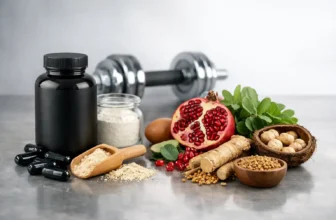
Testosterone boosters are usually sold as dietary supplements, not prescription hormones. Most are blends of herbs, vitamins, minerals, and sometimes stimulants or “pro-hormone-like” ingredients. Because they are supplements, they do not go through the same pre-market approval process as medications.
For many generally healthy adults, a responsibly formulated product used as directed may be low risk. But “low risk” is not “no risk,” and “natural” is not “automatically safe.” The biggest safety issues tend to come from three places: hidden or under-disclosed ingredients, doses that are much higher than what studies used, and users who have a medical reason to avoid hormone-related products.
If you are under 18, pregnant, trying to conceive, or managing a chronic condition, the risk equation changes fast. And if you are expecting the effect of testosterone replacement therapy (TRT) from an over-the-counter booster, you are also more likely to take more than directed or stack products – which is where side effects show up.
What’s actually in testosterone boosters (and why it matters)
Testosterone boosters usually fall into a few ingredient “families,” and each one has its own safety considerations.
Vitamins and minerals that support normal T levels
Common examples include vitamin D, zinc, and magnesium. These are generally safe within normal supplemental ranges, and they are most helpful if you are deficient. That last part matters because megadosing minerals is not a shortcut.
Too much zinc can cause nausea, lower copper levels over time, and potentially weaken immune function. High-dose vitamin D can raise calcium and create real problems if abused. A booster that leans on reasonable dosing here is typically a safer starting point than one that relies on aggressive proprietary blends.
Herbal ingredients marketed for testosterone, libido, or stress
You will see ingredients like ashwagandha, fenugreek, tongkat ali, tribulus terrestris, and maca. These tend to be used to influence stress hormones, perceived vitality, libido, or training drive more than directly “forcing” testosterone up.
Safety varies by herb, sourcing, and dose. Ashwagandha, for example, is widely used and can be well tolerated, but it can also cause GI upset and may not be a fit for people with certain thyroid issues or those on specific medications. Fenugreek can affect blood sugar, which is relevant if you take glucose-lowering meds. Tongkat ali quality is a big deal because contamination and inconsistent extraction have been reported across the broader supplement market.
Stimulants and “performance” add-ons
Some products quietly behave like pre-workouts: caffeine, yohimbine-type compounds, or other stimulants. These can increase anxiety, raise heart rate, and disrupt sleep – and poor sleep is a reliable way to hurt testosterone and recovery.
If your “test booster” makes you feel wired, sweaty, or jittery, you are not getting a free performance upgrade. You are paying for it with stress load.
The red-flag zone: hormone analogs and sketchy add-ins
Some products, especially from questionable sellers, may contain ingredients that are closer to prohormones or include undisclosed pharmaceuticals. This is where the safety conversation stops being theoretical.
If a product promises steroid-like gains, rapid muscle in a week, or “TRT results without a prescription,” treat that as a flashing warning sign. When people end up with liver enzyme spikes or hormonal crashes, it is often connected to this category.
Who should skip testosterone boosters entirely?
If any of the following applies, you should talk to a clinician before using a testosterone booster and in many cases avoid them.
If you have a history of hormone-sensitive cancers or prostate issues, you do not want to experiment. If you have significant cardiovascular disease, uncontrolled high blood pressure, or anxiety disorders, stimulant-heavy blends can be a bad match. If you have liver or kidney disease, you should be cautious with any supplement that adds metabolic burden.
Also, if you are on medications such as blood thinners, antidepressants, thyroid meds, or diabetes medications, ingredient interactions are not a rare edge case – they are a real possibility.
And athletes should think about testing risk. Even if you are not a pro, many competitive leagues and organizations use banned substance lists. A contaminated supplement can cost you more than money.
Common side effects people run into
A well-made product at a sensible dose might cause no noticeable problems. But when side effects happen, they usually look like:
GI issues such as nausea, cramping, or diarrhea, especially with higher doses of minerals or certain herbs. Sleep disruption, either from stimulants or from taking the product too late in the day. Mood changes like irritability or feeling “amped,” which can be stress-related rather than a true androgen effect.
Some people also see acne flare-ups, which can happen if hormones shift or if training and sweating increase without better skin hygiene. And if a product includes ingredients that affect blood pressure or blood sugar, you may notice dizziness, headaches, or a “crash.”
If you ever experience chest pain, fainting, severe anxiety, jaundice-like symptoms, or dark urine, stop immediately and get medical help. That is not “adjustment.” That is a red flag.
The safety checklist: how to shop smarter
Safety is not about fear. It is about buying like someone who plans to keep training for the next decade.
Look for transparency over hype
A label that shows exact dosages for each ingredient is a better bet than a “proprietary blend” that hides amounts. When you cannot see the dose, you cannot judge the risk.
Favor realistic claims
A product that says it supports healthy testosterone, performance, and recovery is playing in the right lane. One that guarantees massive T spikes or dramatic muscle gain is selling a fantasy that often comes with corners cut.
Start low and run short cycles
If you are trying a new supplement, do not stack it with three other new things at the same time. Use it as directed, consider starting with a half dose if the label allows, and keep your first run to a defined period so you can evaluate how you feel.
Watch what you are stacking
The most common “accidental risk” is doubling up. A testosterone booster plus a pre-workout plus a fat burner can turn into a stimulant overload. A booster plus a ZMA product can push zinc too high. If you are also using sleep aids, mood support supplements, or blood sugar formulas, check overlap.
Consider third-party testing signals
You do not need to memorize lab acronyms, but you should care about quality control. Brands that talk clearly about testing, lot consistency, and manufacturing standards generally make safer shopping partners than sellers that only talk about “extreme” results.
When boosters are less useful (and what to do instead)
A lot of people buying testosterone boosters are actually dealing with one of the big three: sleep debt, chronic calorie restriction, or training that is all gas and no recovery.
If you are sleeping 5 to 6 hours, your best “testosterone booster” is a better bedtime routine and a cooler, darker room. If you are cutting hard for weeks, hormones and performance can dip even if your motivation is high. If your plan is heavy lifting plus daily HIIT plus minimal rest, your body might be waving a white flag.
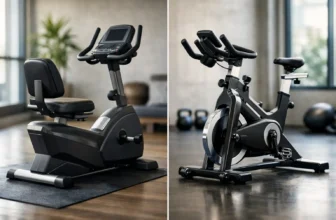
This is where deal-forward shopping can work in your favor: put dollars into the basics that actually move the needle. A whey or plant protein you will use daily, creatine monohydrate, recovery tools like a foam roller, and home-gym upgrades that make training consistent can outperform a risky supplement roulette.
If you want a one-stop place to compare stacks, gear, and recovery add-ons in the same cart, FitwellGoods leans into that “build your setup” style shopping with trending picks and bundle-friendly browsing.
A safer way to decide if you even need one
If your goal is to feel stronger, leaner, and more driven, you can make a smarter call with a simple reality check.
First, ask if you have symptoms of low testosterone that persist even when training and sleep are dialed in: low libido, persistent fatigue, depressed mood, reduced morning erections, and declining performance. If that sounds familiar, labs matter. A real blood test and clinician interpretation beats guessing.
Second, ask what you want the product to do. If you want better workouts, you might be looking for energy, focus, and pump support – which is a different category than hormone support. If you want better recovery, magnesium, sleep support, hydration, and a better program might be the win.
Third, decide what risk you are willing to accept. If you have a big event coming up or a stressful season at work, adding a stimulating supplement can backfire. If you are stable and want to trial one product carefully, the risk is easier to manage.
The bottom line on “are testosterone boosters safe”
Testosterone boosters are not automatically dangerous, and they are not automatically safe. They range from basic nutrient support to aggressive blends that can push stimulants, interact with medications, or hide behind proprietary formulas.
If you treat them like a precision tool instead of a miracle button – read the label, avoid sketchy claims, do not stack recklessly, and respect your sleep and recovery – you can reduce your risk dramatically.
The best move is to keep your standards high: you are not just buying a supplement for next week’s workouts. You are buying into the version of you that can train hard, recover well, and keep momentum month after month.





&url=https://fitwellgoods.com/shop/speed-agility/sports-reaction-balls/ultra-bounce-reaction-balls-4-difficulty-levels/&media=https://m.media-amazon.com/images/I/41C70kSGvWL._SS1024_.jpg)


