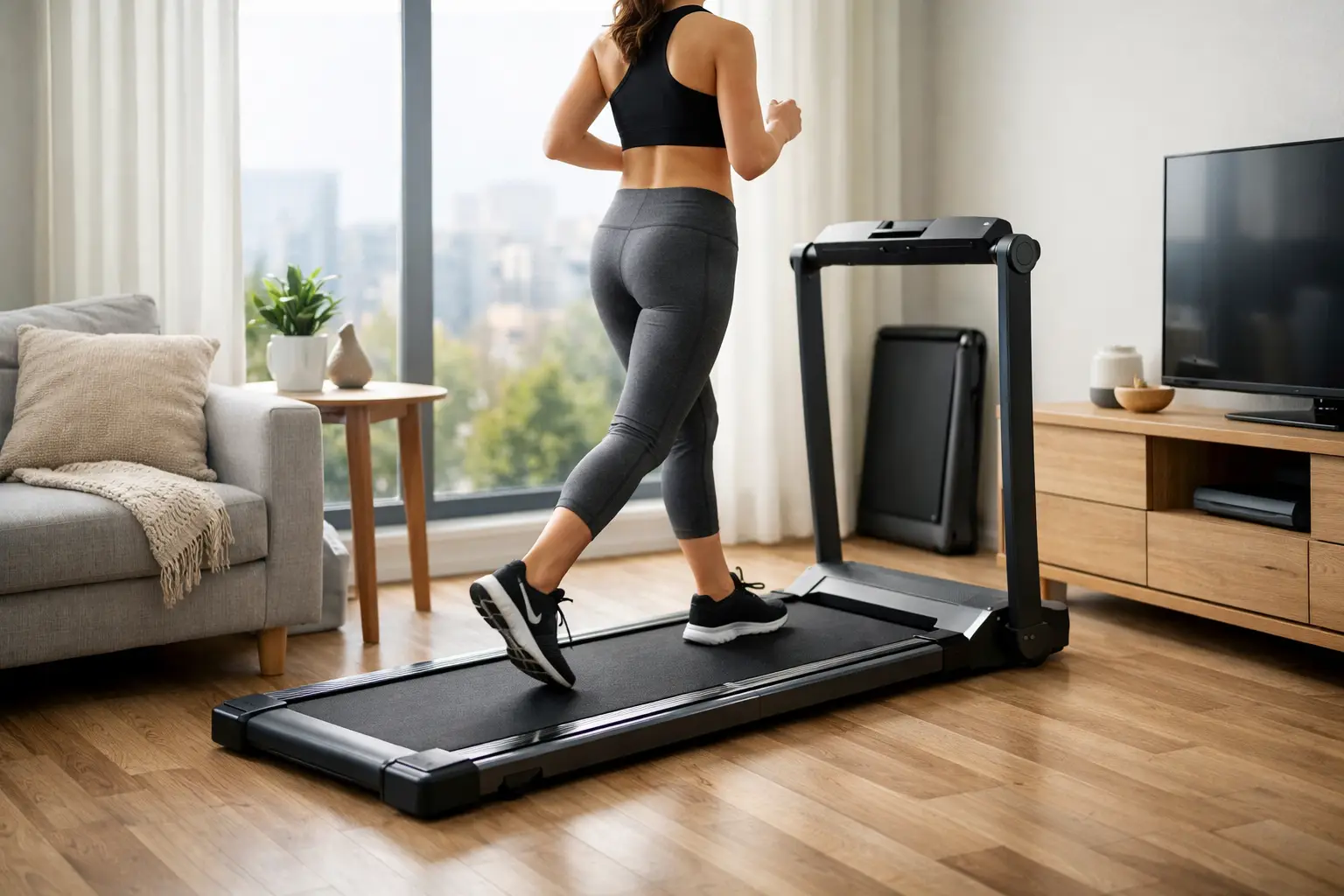
That 6 a.m. workout sounds like a great idea until your downstairs neighbor hears every footstrike. If you’re shopping for the best compact treadmill apartment setups can actually handle, you need more than a small footprint. You need a machine that fits your floor plan, your schedule, and the reality of shared walls.
This is one of those purchases where the wrong pick gets returned fast or, worse, becomes an expensive clothes rack. The right one makes daily cardio easier, keeps your step count moving, and lets you train at home without turning your living room into a full-time gym. For apartment living, compact matters – but quiet, stable, and easy to store matter just as much.
What makes the best compact treadmill apartment-friendly?
A compact treadmill for an apartment has one job: deliver useful cardio without demanding a dedicated room. That usually means a shorter deck, a slimmer frame, and either a folding design or a low-profile build that slides under a bed or sofa. But small alone is not enough.
Noise is often the deal-breaker. A compact treadmill with a loud motor or a hard, slappy deck can create more friction with neighbors than it’s worth. If you plan to walk while working, squeeze in incline sessions after dinner, or jog before work, look for a machine built for quieter operation at moderate speeds.
Weight capacity matters too. A lightweight frame is easier to move, but it can also feel shaky if it’s underbuilt. A more stable treadmill often weighs more, which sounds bad for apartment life until you realize that wobble and vibration are what make a machine feel cheap. The best pick usually lands in the middle – compact enough to fit, sturdy enough to trust.
Best compact treadmill apartment buyers should look for first
Before you compare screens, presets, and extras, focus on the basics that actually affect daily use.
Footprint and folded size
Measure the space where the treadmill will live when it’s open and when it’s stored. This is where many buyers miss. A treadmill may look compact in product photos, then eat up half a bedroom once you account for ceiling clearance, walking space behind it, and the room needed to fold it safely.
If you’re planning to store it after every workout, check the folded dimensions and transport wheels. If it will stay out full time, a slim non-folding walking treadmill may actually work better than a bulkier folding runner.
Motor power and intended use
For walking, you do not need a huge motor. For regular jogging, you do. Many ultra-compact models are best for walking desks and low-intensity cardio, not speed work. Push those machines too hard and you’ll get extra noise, shorter lifespan, and less stable performance.
If your goal is steps, calorie burn, and consistency, a walking-focused model can be a smart buy. If you want intervals or run training, go for a compact treadmill built with a stronger motor and a longer deck, even if it takes up slightly more room.
Deck size
This is the feature people feel immediately. Shorter users can often get away with smaller decks, especially for walking. Taller users and runners usually need more length to avoid that cramped, choppy stride that makes every workout feel off.
A compact treadmill should save space without forcing awkward movement. If you feel like you’re constantly adjusting your steps, the treadmill is too small for your training style.
Noise and vibration control
No treadmill is silent. The goal is lower-impact noise and less vibration transfer through the floor. Cushioning helps. So does a quality mat under the machine. A solid frame usually creates a smoother, less rattly ride than a flimsy one.
If you’re in an upstairs unit, this matters even more. Walking is usually apartment-safe in a way sprinting is not. Be honest about how you plan to use it.
The trade-offs: under-desk treadmill or foldable treadmill?
This is where smart shopping saves money.
An under-desk treadmill is excellent for apartment dwellers who want a super-low-profile machine for walking while working, watching shows, or building daily movement. It stores easily, usually runs quietly, and keeps the room feeling less crowded. The trade-off is obvious – these models are not built for serious running, and many skip handrails, incline, or advanced workout programs.
A foldable treadmill gives you more training range. You can usually walk, jog, and sometimes run, with better speed options and more support. The downside is that many folding models are still fairly large, and some are only “compact” compared to full gym-style treadmills. They save space, but not magic amounts of space.
If your top priority is getting more steps in a small apartment, a walking treadmill is often the best value. If you want performance training at home, a higher-spec folding treadmill is the better fit.
Features worth paying for – and features you can skip
Some upgrades make apartment cardio easier. Others just inflate the price.
Incline is useful if you want harder workouts without needing high speeds. That’s a big plus in apartments, because incline walking can raise intensity while keeping impact and noise lower than running. Easy-fold hydraulics are also worth it if you’ll be lifting and storing the machine often.
A clear display, speed shortcuts, and basic workout tracking help more than oversized touchscreens for most users. Built-in speakers, flashy programming, and app-heavy ecosystems can be nice, but they are not the reason a compact treadmill succeeds in a small home. Reliability is.
If you’re trying to stay budget-smart, put your money into motor quality, deck cushioning, frame stability, and storage design first. Those are the features you’ll notice every week.
How to choose the best compact treadmill for apartment life
Start with your training goal, not the trendiest model. If your main goal is weight loss, energy, and daily movement, prioritize convenience and consistency. A treadmill that’s easy to roll out and use for 30 minutes a day will beat a bigger machine that’s annoying to set up.
If you’re chasing race prep or harder cardio sessions, do not overcorrect toward the smallest possible option. A compact treadmill still has to support your stride and pace. This is one of those moments where a slightly larger machine can deliver better long-term value.
Then think about your building. Ground-floor renters have a little more flexibility. Upstairs renters should prioritize walking-focused use, softer cushioning, and workout timing that respects neighbors. A treadmill mat is a smart add-on, not a throwaway extra.
Finally, consider how the treadmill fits the rest of your setup. If you’re building a home routine around cardio, strength, and recovery, compact equipment matters because every square foot has to earn its place. That’s why shoppers often do best when they think in systems – treadmill, mat, foam roller, adjustable weights, and recovery support – instead of one isolated purchase.
Budget ranges that make sense
At the entry level, you’ll mostly find walking pads and light-use compact treadmills. These can be great for beginners, apartment offices, and anyone focused on steps over speed. Just keep expectations realistic on motor strength, deck size, and long-session durability.
In the mid-range, the value usually improves fast. This is where many shoppers find the sweet spot: foldable designs, better cushioning, stronger motors, and enough stability for regular use without paying premium prices for features they may never touch.
At the higher end, you’re paying for better build quality, smoother operation, and stronger performance in a still-manageable footprint. For frequent users, that can be worth it. For casual walkers, it may be more machine than you need.
Hot pick: do not judge value by price alone. A lower-cost treadmill that fits your apartment and gets used five times a week is a better buy than a premium model that overwhelms your space.
Red flags to avoid before you buy
Be careful with vague “space-saving” claims that don’t list exact dimensions. Watch for low weight capacities paired with promises of running performance. Read closely if the machine ships fully assembled or requires setup that your apartment hallway will hate.
Also check whether the treadmill can actually be moved by one person. Some compact models are technically foldable but still awkward to lift, store, or rotate in a tight room. If daily convenience is the goal, that matters.
And do not ignore warranty coverage. Compact machines work hard in small spaces because they’re often used more often, not less. A decent warranty signals the brand expects the product to last.
The apartment treadmill that actually gets used
The best compact treadmill apartment shoppers choose is rarely the most powerful or the flashiest. It’s the one that makes movement easy on busy days, fits the corner you already measured, and doesn’t make your home feel crowded. That’s the real win.
If a treadmill helps you walk more, train more consistently, and stay on track without leaving the building, it’s doing exactly what it should. Pick the machine that fits your life now, leave a little room for progress, and let every step start pulling its weight.