A calf that suddenly locks up during the last minute of a run, a foot that cramps mid-spin class, or a hamstring that seizes after heavy deadlifts can stop a great workout cold. Exercise muscle cramp causes are rarely as simple as “you need more electrolytes.” Training intensity, fatigue, fluid loss, nutrition, recovery, and even your footwear can all play a part.
The good news: most exercise-related cramps are manageable. Once you know what may be driving them, you can make smart changes to your warm-up, fueling routine, training plan, and recovery setup – without guessing your way through every workout.
Exercise Muscle Cramp Causes: The Big Picture
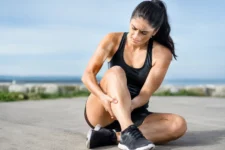
An exercise-associated muscle cramp is a sudden, involuntary, painful tightening of a muscle. Calves, hamstrings, quads, feet, and abdominal muscles are common trouble spots because they work hard, often in a shortened position, during training.
For many active people, the leading explanation is neuromuscular fatigue. Put simply, a muscle and its nervous system can become overworked when the session demands more than your body is prepared to handle. That is why cramps often show up near the end of a long run, during a high-rep leg workout, or late in a game when form starts to slip.
Hydration and electrolytes still matter, especially during hot, humid, or long-duration workouts. But they are part of a bigger picture. Someone can drink plenty of water and still cramp if they ramped up their mileage too quickly or trained hard after poor sleep.
You Trained Harder Than You Were Ready For
A sudden jump in volume, speed, resistance, or workout frequency is one of the most common cramp triggers. Maybe you normally lift for 45 minutes but added a high-intensity finisher. Maybe your usual 3-mile run turned into a hilly 7-miler. Your motivation may be high, but your muscles need time to adapt.
Fatigue can reduce coordination and increase stress on the working muscle. This is especially common when you push through the final reps with altered form or hold a position longer than usual. A cramp does not mean you failed the workout. It can mean the workout was ahead of your current conditioning.
Build intensity in stages. Add one major variable at a time – more weight, more reps, more distance, or more speed. A training log, fitness tracker, or simple note on your phone makes these jumps easier to spot before they become a recurring problem.
Muscle-Specific Fatigue Matters
General fitness does not always protect a muscle from cramping. A strong lifter can cramp during a long bike ride, and a regular runner can cramp during a new Pilates class. New movement patterns challenge muscles differently.
Pay attention to the exact muscle that cramps. Calves may be overloaded by hills, stiff ankles, or new shoes. Hamstrings may react to sprinting, hinge-heavy workouts, or inadequate glute engagement. Hand and forearm cramps can happen when gripping weights, handlebars, or a tennis racket too tightly for too long.
Heat, Sweat, and Electrolyte Loss
When you sweat, you lose fluid and sodium. If you train in heat, wear heavy layers, or exercise for extended periods, that loss can become meaningful. Drinking only plain water in large amounts may not fully replace what you lose through heavy sweating.
Sodium is the electrolyte most closely tied to sweat loss, though potassium, magnesium, and calcium also support normal muscle and nerve function. The right strategy depends on your sweat rate, workout length, weather, diet, and medical history. There is no one-size-fits-all electrolyte target.
For shorter, moderate indoor workouts, water and a balanced diet are often enough. For endurance sessions, outdoor training in hot conditions, or workouts that leave your clothes soaked, plan ahead with fluids and an electrolyte option you tolerate well. Test your routine during regular training, not on race day or before a major event.
Do not treat every cramp by chugging water. Overdoing plain water can be a problem too, particularly during long events. Sip consistently, use thirst and workout conditions as guides, and consider speaking with a sports dietitian if cramps repeatedly derail long training sessions.
Underfueling Can Catch Up With You
Training on too little food may contribute to fatigue, especially when workouts are long, intense, or stacked close together. Carbohydrates are a key fuel source for higher-intensity work. If your glycogen stores are low, the effort can feel harder sooner, and form may break down earlier.
This does not mean every workout requires a full meal beforehand. It depends on the session. An easy morning walk is different from a hard interval workout, a heavy lower-body day, or a 90-minute ride. Match your fuel to the work you expect from your body.
A practical approach is to eat regular meals built around protein, carbohydrate-rich foods, colorful produce, and healthy fats. Before demanding training, choose a familiar snack or meal that sits well. Afterward, refuel with protein and carbohydrates to support recovery before your next session.
Warm-Ups, Mobility, and Training Position
A cold muscle is not automatically destined to cramp, but jumping from desk mode straight into all-out effort is not ideal. A brief dynamic warm-up raises body temperature and rehearses the movements ahead. Think easy cycling before intervals, bodyweight squats before loaded squats, or gradual jogging before faster running.
Mobility can help when a limited range of motion repeatedly shifts stress into one area. Tight calves and restricted ankle motion, for example, may cause the calf complex to work overtime during running or squatting. The goal is not to stretch aggressively until it hurts. It is to move well enough to share the workload across the right joints and muscles.
Equipment setup deserves attention, too. A bike seat that is too high, shoes that change your stride, or worn-out footwear can quietly increase stress. If cramps started after a new piece of gear or a change in training surface, that timing is worth investigating.
What to Do When a Cramp Hits
Stop the activity or reduce the effort immediately. Forcing a cramped muscle to keep working can make the pain worse and may affect your form.
Gently lengthen the affected muscle. For a calf cramp, straighten the knee if possible and pull the toes toward your shin. For a hamstring cramp, carefully straighten the leg and hinge forward only as far as feels comfortable. Light massage and easy walking may help once the spasm begins to release.
Avoid aggressive bouncing, hard rolling directly on a severe cramp, or trying to power through a heavy set. Give the muscle a chance to settle. Afterward, consider what changed that day: heat, pace, sleep, food intake, hydration, gear, or workout volume.
A Prevention Plan That Actually Fits Real Life
If cramps happen occasionally after an unusually hard session, your answer may be as simple as better pacing and recovery. If they happen every week, take a more structured approach for two to three weeks and track the results.
Focus on these four areas:
- Progress training gradually, particularly when adding hills, sprint work, high-rep lifting, or longer cardio sessions.
- Warm up with easy movement and sport-specific drills before hard efforts.
- Build a fluid and electrolyte routine for hot, sweaty, or extended workouts.
- Prioritize sleep, regular meals, and recovery days so fatigue does not pile up.
Recovery tools can support the process, but they are not a replacement for smart training. A foam roller, massage ball, supportive activewear, and a well-organized home-gym setup can make it easier to move, recover, and stay consistent. FitwellGoods makes it easy to shop those practical training essentials in one place when your routine is ready for an upgrade.
When Cramps Need Medical Attention
Most workout cramps improve with rest and practical adjustments. Still, frequent or severe cramps deserve a conversation with a health professional, particularly if they occur at rest, wake you at night, last a long time, or keep returning despite changes to training and hydration.
Seek prompt care if cramping comes with major swelling, weakness, numbness, redness, dark-colored urine, chest symptoms, fainting, or severe pain. Certain medications and medical conditions can also affect fluid balance, circulation, nerves, or muscle function. This is especially relevant if you have kidney, heart, thyroid, nerve, or circulation concerns.
A cramp is feedback, not a reason to abandon your goals. Respect it, adjust the load, fuel for the session ahead, and give your body the recovery it has earned. The strongest routine is the one you can keep showing up for.