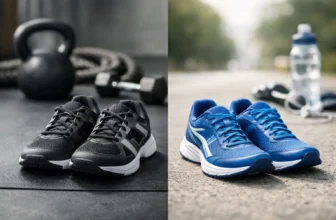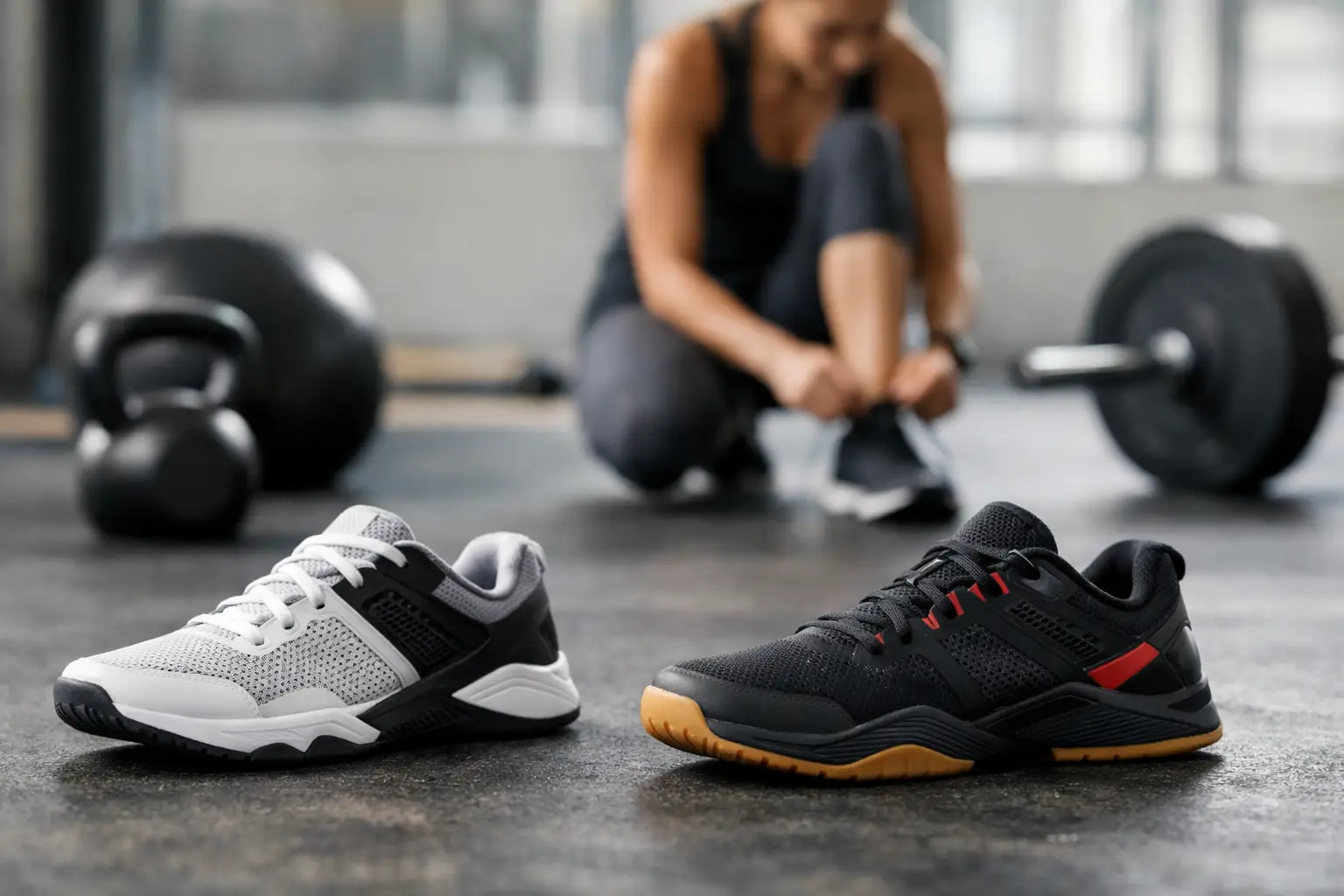
Your shoes can make a good workout feel sharp – or make every squat, shuffle, and sled push feel slightly off. If you have been wondering how to choose cross training shoes, start with one simple truth: the right pair depends on how you actually train, not just what looks good on the shelf.
Cross trainers are built for movement variety. That means they need to handle side-to-side motion, short bursts of cardio, bodyweight work, machine circuits, and moderate lifting better than a standard running shoe. But no single pair dominates every session. The best buy is the one that matches your training split, your foot shape, and the surface you train on most.
How to choose cross training shoes for your workouts
If your week includes strength days, HIIT classes, short treadmill intervals, and functional circuits, cross trainers make sense because they sit between specialties. They are more stable than running shoes, but more flexible and athletic than a heavy lifting shoe. That balance is the whole point.
The first question is not brand. It is workload. A person doing jump rope, kettlebell flows, and agility drills needs different performance from someone spending most of the session under a barbell with a little rower work at the end. Before you compare styles, look at where your time goes in a typical week.
If you lift more than you run
Choose a flatter, firmer shoe. A stable base helps you feel planted in squats, deadlifts, lunges, and presses. Too much cushioning can make force transfer feel soft, which is great on long runs and less helpful when you want a secure connection to the floor.
This does not mean you need an ultra-rigid weightlifting shoe unless Olympic lifts are a priority. For general gym training, a cross trainer with low stack height, a dense midsole, and a strong heel is usually the sweet spot. You get enough stability for strength work without giving up the flexibility needed for circuits.
If you do more HIIT, circuits, and classes
Look for a little more forefoot flexibility and a little more cushioning. Box jumps, skaters, burpees, and quick transitions put different demands on the shoe than a strength-only session. You still want stability, especially in lateral movement, but your feet may appreciate more impact protection.
This is where trade-offs matter. More cushioning can feel better during high-rep, high-impact sessions, but too much can reduce that grounded feel in heavy lifts. If your classes mix both, aim for the middle – responsive cushioning, not marshmallow softness.
Fit matters more than hype
A great-looking shoe that pinches your toes or lets your heel slip is not a great training shoe. Fit decides whether a shoe feels locked in or distracting halfway through your workout.
Start with toe box shape. Your toes should be able to spread naturally, especially for lifting and balance work. If the forefoot is too narrow, your foot cannot stabilize as well, and comfort usually drops fast during longer sessions.
Heel security matters too. Your heel should stay in place without aggressive rubbing. If it lifts every time you push off or change direction, that is a red flag. Cross training often involves sudden stops and side movement, so lockdown needs to feel secure from the start.
Width can be the deal-breaker people ignore. Some cross trainers run sleek and narrow, which may feel fast but uncomfortable for wider feet. Others offer more room and a more forgiving upper. If you know standard shoes often feel tight, do not assume a break-in period will fix a poor match.
What the right fit should feel like
You want a snug midfoot, a secure heel, and enough room up front for toe splay. The shoe should feel ready to train in right away. Minor softening is normal, but pressure points, numbness, or rubbing usually do not turn into a perfect fit later.
The features that actually matter
Specs can get noisy fast, so focus on the parts that change performance in the gym.
Outsole grip is one of the biggest. Good traction helps on rubber gym flooring, turf, studio floors, and during sled pushes or lateral drills. If the outsole feels slick, that issue will not disappear once the workout starts.
Midsole firmness is next. Firmer shoes are usually better for strength and stability. Softer shoes may feel more comfortable for jumping and short cardio intervals. Neither is automatically better. It depends on whether your training goal is power into the floor or more comfort through repeated impact.
Upper support matters during side-to-side movement. A breathable knit can feel light and fast, but if it is too stretchy, your foot may slide on cuts and shuffles. Structured overlays, sidewall support, and a stable lacing system help keep you centered over the platform.
Flex grooves in the forefoot can make a big difference for lunges, planks, mountain climbers, and dynamic movement. Too stiff, and the shoe can feel clunky. Too flexible, and it may lose some of the structure you want under load.
How to choose cross training shoes by training surface
Gym floor, turf, pavement, and home-gym setups all change how a shoe feels. If you train mostly indoors on rubber flooring, most cross trainers will perform as intended. If you often take workouts outside, pay closer attention to outsole durability and comfort.
Cross training shoes are not ideal for steady outdoor mileage. A short warm-up jog is fine, and some pairs handle brief runs well, but they are not built like running shoes. If your programming regularly includes one to three mile runs, you may be happier with a hybrid-feeling trainer or separate shoes for separate days.
Home-gym users should think about floor type too. On foam tiles or garage flooring, a stable base becomes even more valuable for lifting. On slick surfaces, grip jumps to the top of the checklist.
Common buying mistakes
The biggest mistake is buying for one movement while ignoring the rest of your training. A shoe that feels amazing on the treadmill may disappoint during lateral lunges or dumbbell squats. A super-stable lifting-focused shoe may feel harsh if your sessions are mostly jump training and fast circuits.
Another mistake is overvaluing style over structure. Looks matter – no shame there – but a gym shoe earns its spot by performing under pressure. If the fit is off or the platform does not suit your training, the colorway will not save it.
People also underestimate wear patterns. If you train hard four or five days a week, your shoes will tell the story. Flattened cushioning, smooth outsole spots, and reduced support can sneak up on you and affect comfort before they become obvious.
A smart shopping approach
Buy with your real week in mind, not your ideal one. If you say you want a shoe for explosive circuits but spend most sessions doing strength blocks and accessory work, shop for stability first. If your schedule is packed with HIIT classes, mobility work, and short cardio bursts, prioritize flexibility and all-around comfort.
It also helps to compare two or three models against your top needs rather than chasing every feature. Think in order: fit, stability, cushioning, grip, then style. That approach cuts decision fatigue and gets you closer to a pair you will actually keep using.
If you are building out a stronger gym setup, this is the kind of purchase worth getting right. A better shoe can improve confidence on lifts, make class transitions smoother, and reduce that distracted feeling that comes from training in the wrong gear. For shoppers who want apparel, training tools, and footwear in one place, FitwellGoods keeps that process simple so you can upgrade your setup without bouncing between stores.
When one pair is enough – and when it is not
For plenty of people, one solid pair of cross trainers is the right call. If your workouts are mixed and your runs are short, a versatile shoe does the job well. That is the value of this category.
But if you are pushing into heavier lifting or doing more dedicated running, one pair may start to feel like a compromise. At that point, rotating shoes by workout type is not excessive – it is practical. Cross trainers cover a lot, just not everything equally.
The right pair should make you feel balanced, quick, and secure from the first warm-up set to the last finisher. Shop for how you move now, and your next workout will tell you whether you chose well.