
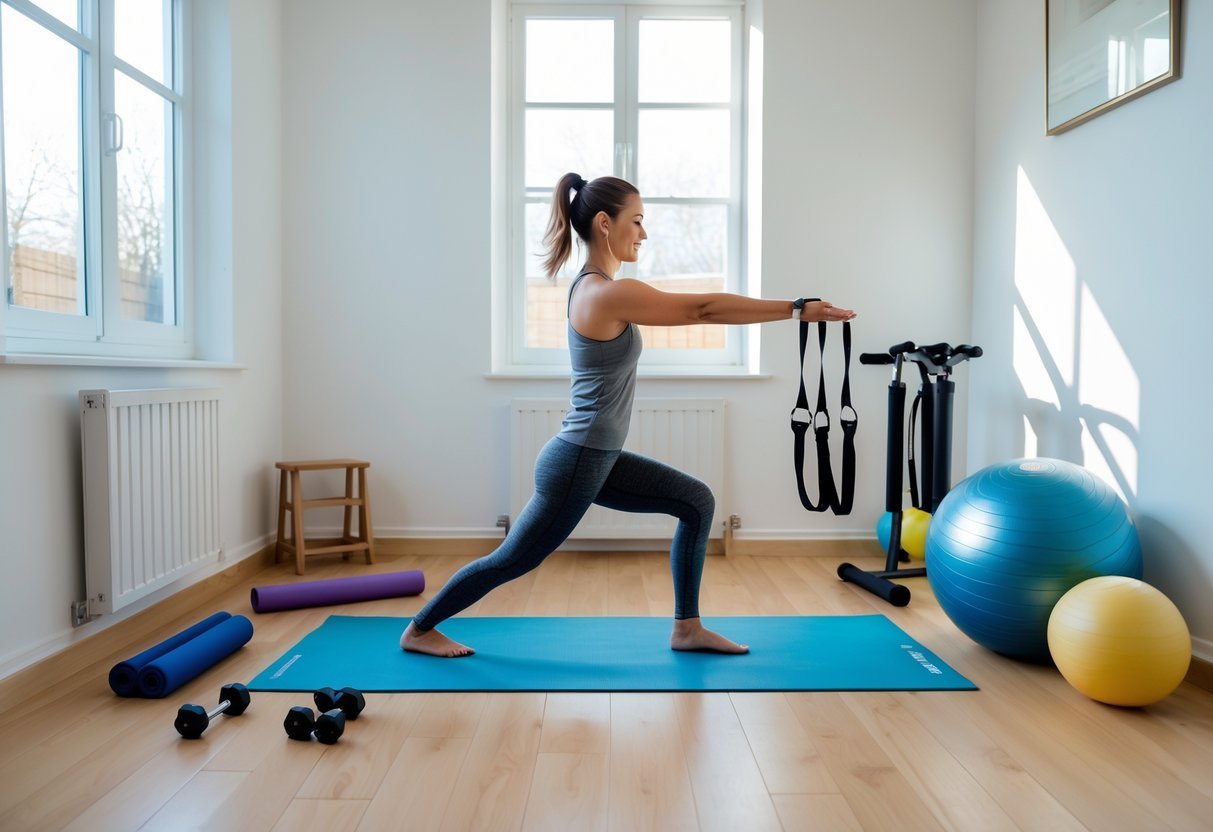
Montar un gimnasio en casa no requiere millas de dólares ni un espacio grande. Mucha gente cree que necesita equipos caros para obtener resultados, pero no es así.
Puedes construir un gimnasio en casa efectivo con un presupuesto ajustado comenzando con equipos versátiles y grandes , y agregando gradualmente más a medida que tus necesidades de fitness aumenten. La clave está centrada en lo que realmente usarás y evitará los artículos que probablemente no se usen.
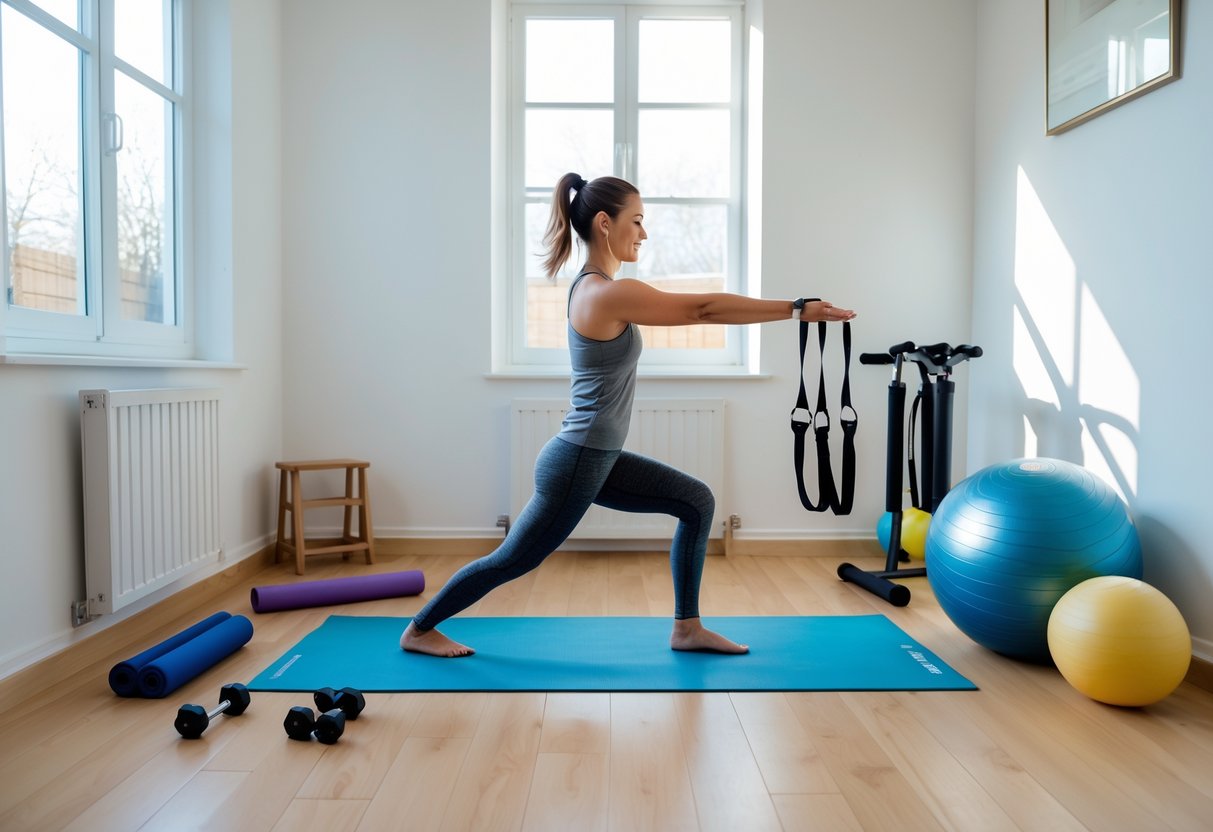
Hacer ejercicio en casa te ahorra dinero en membresías de gimnasio y tiempo en desplazamientos. Puedes ejercitarte a tu propio ritmo sin tener que esperar por el equipo ni lidiar con multitudes.
Una configuración básica con pocos equipos puede facilitar el entrenamiento de fuerza , cardio y flexibilidad. Esta guía explica cómo crear un espacio de entrenamiento funcional sin gastar de más.
Aprenderás qué equipos ofrecen el mejor valor, dónde encontrar opciones mayores y cómo optimizar el espacio limitado. Ya sea que tu presupuesto sea de $100 o $1,000, puedes armar un gimnasio en casa que te ayudará a alcanzar tus objetivos.
Conclusiones clave
- Comience con un equipo multiusos que se enfoca en Múltiples grupos musculares para obtener un mayor valor.
- Planifica tu espacio y presupuesto antes de realizar compras para evitar gastos innecesarios.
- Construya su gimnasio gradualmente con el tiempo para administrar los costos y adaptarse a sus necesidades cambiantes.
Definiendo tus objetivos de fitness
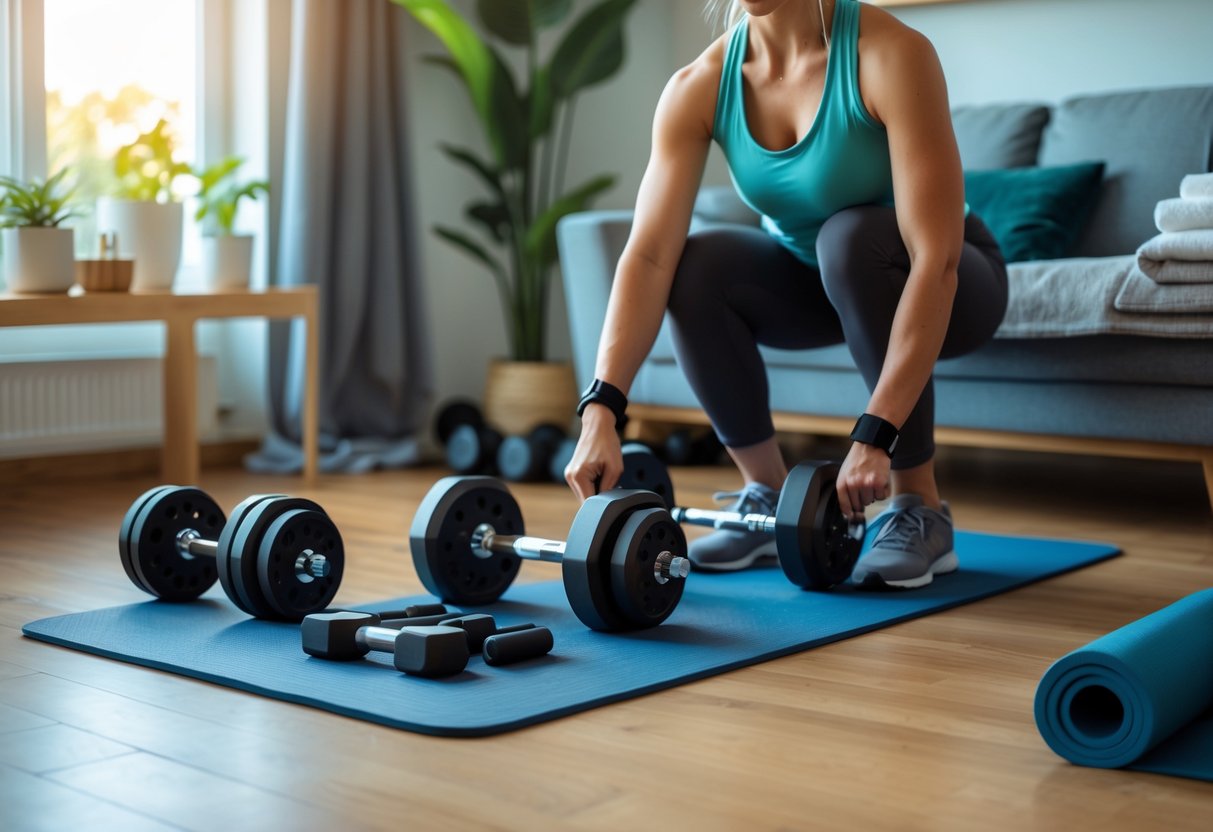
Tus objetivos de fitness determinarán qué equipo comprarás y cómo organizarás tu gimnasio en casa. Cada tipo de entrenamiento requiere diferentes herramientas, espacio e inversión financiera.
Objetivos de fuerza, cardio y flexibilidad.
El entrenamiento de fuerza desarrolla los músculos y aumenta la potencia. Si este es tu objetivo principal, concéntrate en ejercicios que desafíen tus músculos con peso o resistencia.
En un gimnasio en casa con un presupuesto limitado, comience con ejercicios de peso corporal, como sentadillas, flexiones y estocadas, antes de agregar mancuernas o bandas de resistencia .
El cardio mejora la salud cardiovascular y favorece el gasto calórico. Se pueden realizar entrenamientos cardiovasculares efectivos con ejercicios como saltos de tijera, burpees y escaladores de montaña, que requieren un espacio mínimo y sin equipo.
El entrenamiento de flexibilidad ayuda a mantener la elasticidad muscular y favorece la prevención de lesiones. Actividades como el estiramiento y el yoga requieren poco espacio y solo una esterilla.
La mayoría de las personas se benefician de combinar los tres tipos de entrenamiento. Identifica tu objetivo principal y asigna una mayor parte de tu presupuesto y espacio en consecuencia.
Selección de ejercicios para equipos limitados
Los ejercicios con peso corporal son fundamentales para cualquier entrenamiento en casa económico. Flexiones, sentadillas, planchas y zancadas se pueden realizar en cualquier lugar sin costo adicional.
El entrenamiento funcional se centra en los movimientos de la vida diaria. Estos ejercicios suelen utilizar el peso corporal o equipos sencillos como bandas de resistencia, como los step-ups, las sentadillas en la pared y los puentes de glúteos.
Choose exercises that align with your goals and available space. For leg strength, prioritize squats and lunges; for upper body, focus on push-up variations and planks.
Most exercises can be modified for different ability levels. For example, wall push-ups or knee push-ups can be used as alternatives to standard push-ups, while added weight increases difficulty.
Adapting Workouts to Space and Budget Constraints
Measure your available space before selecting exercises. A 6×6 foot area is sufficient for most bodyweight movements.
Small spaces are best suited to exercises that do not require significant movement across the floor. Planks, squats, and standing exercises typically require less room than running or jumping.
Budget considerations influence how quickly equipment can be added. Start with free bodyweight exercises and add basic items like resistance bands or dumbbells as funds allow.
A yoga mat is an affordable addition that protects floors and supports floor exercises.
Develop a workout plan that evolves with your budget. Begin with bodyweight exercises, add resistance bands as resources permit, and incorporate dumbbells or other equipment over time.
Assessing and Preparing Your Home Workout Space
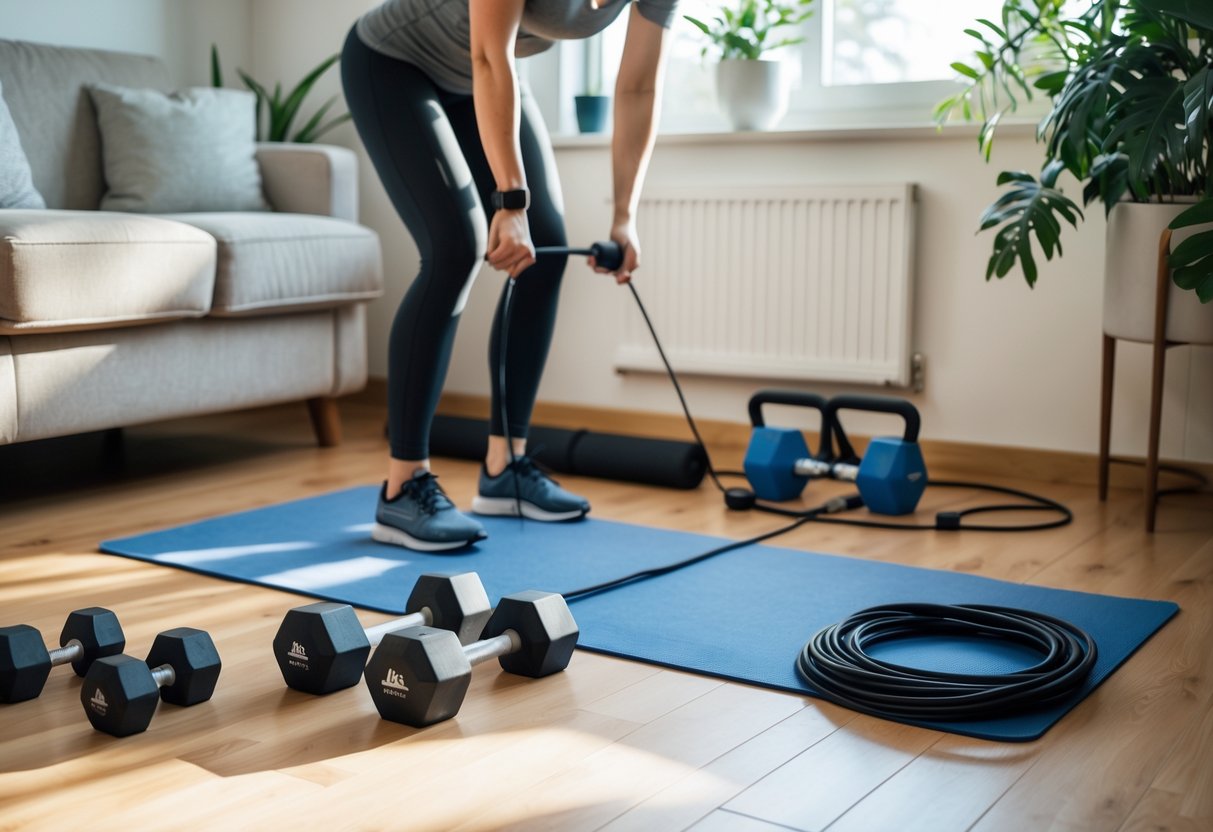
Before purchasing equipment, evaluate your available space and prepare it appropriately. The right location, accurate measurements, and proper environmental setup contribute to a functional and safe home gym.
Choosing the Ideal Room or Area
Your workout space should accommodate your exercise routine and equipment without being overcrowded. Suitable options include a spare bedroom, basement, garage, or a designated area in a living room or bedroom.
Aim for at least 6 feet by 6 feet of open floor space. This allows room for an exercise mat and basic movements.
Consider noise levels, particularly in apartments. Ground-floor rooms, basements, and garages generally offer more flexibility.
Accessibility is important for consistency. Choose a space that is easy to access and does not require significant setup before each session.
Measuring and Mapping Out Your Space
Measure the length, width, and ceiling height of your chosen area. Record these dimensions for reference.
Ceiling height is especially important for jumping exercises or equipment like pull-up bars. Create a simple floor plan marking equipment locations and movement pathways.
Ensure adequate clearance around each piece of equipment. For example, a yoga mat typically requires about 2 feet of space on all sides.
Measure doorways and hallways to confirm that larger equipment can be moved into the room. Some items may need to be assembled in place.
Note the locations of electrical outlets for fans, speakers, or fitness devices.
Flooring, Lighting, and Ventilation Considerations
Appropriate flooring protects both your floor and your body. Rubber gym mats or foam tiles are cost-effective options that reduce noise and provide cushioning.
An exercise mat or yoga mat is sufficient for bodyweight exercises in smaller spaces. Good lighting supports proper form and motivation.
Natural light is ideal, but overhead lights or floor lamps can supplement as needed. Aim for bright, even illumination throughout the workout area.
Ventilation is important for comfort and equipment longevity. Open windows when possible or use a basic fan to improve air circulation.
Monitor the temperature in your workout space throughout the year. Additional heating or cooling may be necessary in basements or garages.
Setting a Realistic Budget and Prioritizing Purchases
A budget home gym can range from $200 to $15,000, depending on goals and available space. Align your spending with your workout habits and prioritize versatile equipment.
How Much Money Do You Need?
A basic home gym can be established for $200 to $500 by focusing on essentials such as resistance bands, a yoga mat, and adjustable dumbbells.
A mid-range budget of $1,000 to $3,000 allows for additional equipment like a weight bench, barbell set, and a quality cardio machine. Most beginners do not need to spend more than $3,000.
Take inventory of what you already own, such as yoga mats or light weights, before making new purchases. List existing items to identify gaps.
Include extra costs like shipping and assembly when budgeting, as these can add significantly to the total expense.
Phased Buying Strategy
Begin with essential items and add equipment in stages. This approach allows you to assess actual usage before making further investments.
Phase 1 (Month 1-2): Acquire dumbbells or resistance bands and a mat for core strength and flexibility exercises.
Phase 2 (Month 3-4): Add equipment based on your preferred workouts, such as a jump rope or used spin bike for cardio, or a weight bench for strength training.
Phase 3 (Month 5+): Introduce specialty items as your routine develops.
This staged approach helps prevent unnecessary purchases and allows your home gym to grow in line with your needs.
Where to Splurge and Where to Save
Invest more in equipment used frequently and less on items used occasionally.
Worth the investment:
- Adjustable dumbbells for regular strength training
- Quality athletic shoes suited to your primary activity
- One cardio machine if you prefer indoor workouts
Areas to save:
- Budget yoga mats
- Inexpensive resistance bands
- Basic foam rollers
Consider buying used cardio equipment through local marketplaces, but inspect items in person before purchasing. Purchase new items that have direct skin contact, such as mats and bands.
Multi-use equipment offers greater value than single-purpose items. Adjustable dumbbells and suspension trainers can replace multiple pieces of equipment.
Maximizing Value: Essential Home Gym Equipment
Selecting the right equipment can maximize your budget and provide comprehensive workout options. Investments in versatile tools such as adjustable weights, resistance bands, and bodyweight equipment form the foundation for effective strength training without high-cost machines.
Dumbbells and Adjustable Weights
Adjustable dumbbells are a practical investment for a budget home gym. A single set of adjustable weights replaces multiple pairs of fixed dumbbells, saving both money and floor space.
Quality adjustable dumbbells typically range from 5 to 50 pounds per hand, covering most strength training needs. Standard dumbbell sets are also suitable if you find used equipment at affordable prices.
Look for secondhand options at thrift stores or online marketplaces where you can often find weights for a fraction of retail cost. Ensure that weight plates are secure and handles show no cracks or damage.
Key benefits of adjustable dumbbells:
- Replace 10-15 pairs of fixed weights
- Quick weight changes between exercises
- Compact storage footprint
- Progressive overload capability
You can perform a wide range of exercises with just dumbbells. Chest presses, rows, shoulder work, and arm exercises are all possible with this single equipment type.
Resistance Bands and Suspension Trainers
Resistance bands cost less than $30 for a complete set and provide effective strength training. These portable tools offer variable resistance that challenges muscles throughout each movement.
Bands come in different resistance levels, typically color-coded from light to heavy. A suspension trainer, such as a TRX system, uses your bodyweight as resistance.
These tools attach to doors or ceiling mounts and enable a variety of exercises. Suspension trainers cost between $30 and $200 depending on brand, but budget versions can be effective.
Resistance bands excel at:
- Joint-friendly strength work
- Travel workouts
- Rehabilitation exercises
- Adding resistance to bodyweight movements
Suspension trainers build functional strength through unstable positions. Push-ups, rows, and core exercises become more challenging when performed on straps.
Both tools take up minimal space and store easily in drawers or closets.
Pull-Up Bars and Bodyweight Tools
A doorway pull-up bar costs $20-40 and provides upper body training without floor space requirements. These bars install without permanent mounting in most door frames.
Pull-ups, chin-ups, and hanging core exercises become accessible with this simple tool. Bodyweight training requires minimal equipment investment.
A quality exercise mat ($20-50) protects floors and provides cushioning for floor exercises. Parallettes or push-up bars ($15-30) can increase range of motion and reduce wrist strain during bodyweight movements.
Essential bodyweight equipment:
- Exercise mat for floor work
- Pull-up bar for vertical pulling
- Push-up bars for wrist comfort
- Jump rope for cardio ($10-20)
Push-ups, planks, squats, and lunges require minimal equipment and can be effective for strength development.
Kettlebells and Versatile Strength Equipment
Kettlebells offer unique training benefits through their offset weight distribution. A single kettlebell enables swings, Turkish get-ups, and goblet squats.
Start with one 25-35 pound kettlebell for men or 15-25 pounds for women, costing $30-80 depending on quality. Adding a barbell and weight plates expands exercise options significantly.
A basic barbell setup with 150-200 pounds of plates costs $150-300 new or less used. This combination allows for major compound lifts like squats, deadlifts, and presses.
Consider these versatile additions:
| Equipment | Price Range | Primary Uses |
|---|---|---|
| Kettlebell | $30-80 | Swings, carries, presses |
| Barbell | $50-150 | Heavy compound lifts |
| Weight plates | $1-2/lb | Progressive loading |
| Adjustable bench | $100-200 | Pressing angles, support |
Focus spending on equipment that supports multiple movement patterns. Weight plates can be used with barbells and adapted to future equipment additions as needed.
Creative and Affordable Cardio Solutions
Cardiovascular workouts can be achieved without significant equipment investment. Jump ropes provide intense cardio for under $15, and basic cardio machines offer budget alternatives to gym memberships.
Outdoor spaces also offer free workout areas.
Jump Ropes and HIIT
A jump rope costs between $5 and $15 and delivers a highly effective cardio workout. A 6-foot square area is sufficient for use.
Ten minutes of jump rope can burn as many calories as 30 minutes of jogging. HIIT workouts pair well with jump ropes, alternating intervals of intense activity with rest for 15 to 20 minutes.
Many HIIT exercises require no equipment. Burpees, mountain climbers, and high knees work the entire body.
Free workout videos on YouTube can guide complete HIIT routines. These workouts typically take 20 minutes or less and require minimal space.
Low-Cost Cardio Machines
Budget cardio machines provide additional options. A foldable treadmill costs $200 to $400 and stores under a bed when not in use.
Step platforms range from $30 to $60 and can be used for cardio step routines or as a substitute for stair climbing. Compact pedal machines fit under a desk and cost $40 to $80.
These small devices allow for leg workouts without taking up significant floor space. Used cardio machines are often available on Facebook Marketplace and Craigslist at reduced prices.
Foldable equipment is particularly suitable for small spaces due to its ease of storage.
Utilizing Outdoor Spaces
Outdoor spaces such as backyards, parks, or sidewalks provide free cardio opportunities. Walking or running outside offers fresh air and varied scenery.
Stairs at parks or apartment buildings can be used for challenging cardio workouts. Bodyweight cardio circuits can be performed in any outdoor area.
Sprint intervals in a driveway or yard can build speed and endurance. Parks with exercise stations allow for combined cardio and strength training at no cost.
Using Bodyweight and DIY Alternatives
Bodyweight exercises require no equipment and can effectively build strength. Common household items can substitute for gym equipment, and simple DIY projects can create functional equipment at low cost.
Key Bodyweight Exercises
Push-ups work the chest, shoulders, and triceps. Modifications include elevating the feet for increased difficulty or performing them on the knees for an easier variation.
Squats develop leg and glute strength using only body weight. Jump squats can be added for additional challenge.
Lunges target the legs individually and improve balance. Alternate legs with each repetition.
Planks strengthen the core by maintaining a straight body line. Begin with 20-30 seconds and gradually increase duration.
Household Items as Makeshift Equipment
Old backpacks filled with books or water bottles can serve as adjustable weights for squats and lunges. A sturdy chair can be used for tricep dips and step-ups.
Milk jugs or laundry detergent bottles filled with water or sand function as dumbbells. Gallon jugs weigh about 8 pounds when filled with water.
Towels can provide grip for bodyweight rows when looped over a door. Home stairs can substitute for step platforms in cardio and leg exercises.
Sandbags made from old duffel bags filled with sand cost less than $20 and can be used for carries, squats, and shoulder exercises.
DIY and Inexpensive Builds
A plyo box can be built using plywood sheets cut to 20x24x30 inches and assembled with screws. This project typically costs $30-40 in materials.
A pull-up bar can be created by mounting a steel pipe between two wall studs in a doorway, using galvanized steel pipe for about $15-25.
Parallettes for push-ups and L-sits can be made from PVC pipe. Use two 18-inch pieces for handles and four 6-inch pieces for legs, connected with elbow joints.
Concrete-filled buckets with handles can be used like kettlebells for swings and carries. Adjust the weight by varying the amount of concrete.
Second-Hand and Budget Shopping Strategies
Buying used equipment can save significant amounts compared to retail prices. Knowing where to look and how to assess quality is essential.
Where to Find Used Equipment
Facebook Marketplace and Craigslist are useful for finding local deals on home gym equipment. Search for specific items such as adjustable dumbbells, barbells, weight benches, and weight plates.
Local listings allow for inspection before purchase and eliminate shipping costs. Second-hand sporting goods stores, such as Play It Again Sports, often verify that items are in working condition.
Estate sales and garage sales can offer equipment at low prices. Arriving early improves the chance of finding quality items.
Local fitness groups on social media may have members selling equipment. Gym closures can also present opportunities to purchase commercial-grade equipment at discounted rates.
Evaluating Quality and Safety
Inspect weight plates for cracks or chips. Verify that the holes fit snugly on the barbell.
Test adjustable dumbbells to ensure all mechanisms work smoothly. Avoid loose or sticky mechanisms.
Examine weight benches for rust, stability, and intact padding. Sit and lie on the bench to assess sturdiness.
Check barbells for bends by rolling them on a flat surface. Inspect the knurling and spin the sleeves to ensure proper function.
Avoid equipment with deep rust, missing parts, or damaged safety features, as these issues may compromise safety.
Scoring the Best Deals Online
Shop during major sale periods such as Black Friday, New Year’s, and end-of-summer clearances when discounts are common. Signing up for retailer email lists can provide early notifications of sales.
Use price tracking tools to monitor price history and set alerts for target prices. This helps avoid overpaying.
Open-box and refurbished equipment can be found on manufacturer websites and Amazon Warehouse. These items often have minor cosmetic damage but are fully functional.
Compare shipping costs before purchasing, as heavy items can incur significant additional charges. Sometimes a local purchase is more cost-effective after accounting for shipping.
Organizing and Storing Your Home Gym Equipment
A well-organized storage system keeps your workout space functional and prevents equipment from cluttering living areas. Wall-mounted solutions, vertical arrangements, and strategic placement help maintain an efficient gym setup without significant expense.
Smart Storage for Small Spaces
Group your equipment by type to make everything easier to find. Keep weights together, resistance bands in one spot, and yoga mats in another designated area.
Use furniture you already own for storage. Old bookshelves work well for holding smaller items like dumbbells and resistance bands.
Dressers can store workout clothes and accessories in drawers while keeping larger items on top. Coffee tables with space underneath provide hidden storage for equipment you want out of sight.
Label your storage spots clearly so you always know where items belong. This habit helps you put things back after each workout and keeps your space tidy.
Consider using baskets or bins to hold smaller accessories like jump ropes, resistance bands, and towels.
Wall-Mounted Racks and Pegboards
Wall-mounted racks free up floor space and keep your equipment accessible. Install heavy-duty hooks or pegboards to hang yoga mats, resistance bands, kettlebells, and jump ropes.
These solutions cost less than large furniture pieces and work in tight spaces. Pegboards offer flexible storage because you can move hooks around as your equipment collection changes.
Mount them at a comfortable height where you can easily reach your most-used items. Keep frequently used equipment at eye level and store less common items higher up.
Wall storage also reduces tripping hazards by keeping items off the floor. You can install simple brackets to hold foam rollers, yoga blocks, and medicine balls.
Most hardware stores sell affordable mounting systems that support heavy weights safely.
Vertical and Hidden Storage Solutions
Vertical storage makes the most of your wall space from floor to ceiling. Install shelving units that go upward instead of taking up floor area.
Adjustable shelves let you customize the spacing for different equipment sizes. Use the space under beds or behind doors for flat items like yoga mats and resistance bands.
Fabric bin units with wheels let you roll equipment out when needed and tuck it away afterward. These mobile storage options work well in shared living spaces.
Stack storage cubes or cube organizers to create customized shelving that fits your exact needs. You can dedicate different cubes to specific equipment types and add bins inside for smaller accessories.
This modular approach grows with your equipment collection without requiring expensive built-in solutions.
Optimizing Your Workout Environment
A clean, well-lit workout space with thoughtful organization helps you stay focused and reduces injury risk.
Simple changes to your home gym setup can make your workouts more effective and enjoyable.
Maintaining Cleanliness and Safety
Keep your workout space clean by wiping down equipment after each use. Sweat and dirt build up quickly on weights, benches, and floor mats.
Vacuum or sweep your gym floor weekly to remove dust and debris that can make surfaces slippery. Check your equipment regularly for loose bolts, frayed cables, or worn padding that could cause accidents.
Install proper flooring like rubber mats or foam tiles to protect both your joints and your floors. These surfaces cost between $1-3 per square foot and prevent weights from damaging the ground beneath.
Keep a small cleaning kit in your home gym with disinfectant spray, towels, and a first aid kit. Store water bottles and towels in designated spots to avoid clutter that could become tripping hazards during workouts.
Ensure your space has good airflow by opening windows or using a fan. Poor ventilation makes workouts uncomfortable and allows bacteria to grow on equipment.
Motivating Decor and Lighting
Choose wall colors that energize you for workouts. Bright colors like orange, red, or yellow increase energy levels, while blue and green create a calm focus for yoga or stretching.
Hang motivational quotes or posters that resonate with your fitness goals. Place them at eye level where you’ll see them during rest periods between sets.
Install bright lighting to keep your workout space energized and safe. LED bulbs work well because they’re affordable and provide clear visibility for proper form.
Add a small lamp or adjustable lighting if your space lacks natural light. Play music through a speaker or use your phone to create workout playlists.
Music helps you maintain pace and makes exercise more enjoyable. Add personal touches like photos of fitness achievements or a small plant to make your home gym feel inviting.
Mirrors and Organizational Tools
Mount a full-length mirror on one wall to check your form during exercises. Mirrors cost $20-50 and help prevent injuries by showing you when your posture or technique needs adjustment.
Use wall-mounted racks or hooks to store resistance bands, jump ropes, and yoga mats. Keeping equipment off the floor makes your workout space look larger and prevents tripping hazards.
Install a pegboard or shelving unit for dumbbells and smaller items. You can build a simple pegboard system for under $30 using materials from a hardware store.
Store weights on a rack or designated shelf organized by size. This setup saves time during workouts and protects your equipment from damage.
Keep a small basket or bin for accessories like workout gloves, hair ties, and phone holders. Label storage containers so you can quickly find what you need.
Leveraging Digital Resources and Fitness Apps
Digital tools can replace expensive gym memberships and personal trainers while keeping your costs low. Apps and online platforms provide structured workouts, expert guidance, and progress tracking right from your phone.
Free and Paid Fitness App Recommendations
Free apps like Nike Training Club and FitOn offer thousands of workouts without charging a monthly fee. These platforms include strength training, cardio, yoga, and functional training programs suitable for all fitness levels.
Paid options like Apple Fitness+ ($9.99/month) and Peloton Digital ($12.99/month) provide more structured programming with instructor-led classes. Many paid apps offer free trials, so you can test them before committing.
Choose apps that match your equipment and goals. If you only have resistance bands and dumbbells, look for apps with bodyweight and minimal equipment options.
Apps like JEFIT and Strong are excellent for tracking weightlifting sessions, while MyFitnessPal helps monitor nutrition alongside your training.
Online Workout Videos and Programs
YouTube hosts countless free workout channels that rival paid programs. Fitness Blender, Heather Robertson, and Caroline Girvan offer complete home workout programs with clear instructions and minimal equipment requirements.
These channels provide structured programs ranging from 4 to 12 weeks. You can filter by workout length, equipment available, and target muscle groups.
Many creators offer downloadable workout calendars that organize your weekly training schedule. Save your favorite videos to playlists for quick access during workout sessions.
Tracking Progress Digitally
Digital tracking keeps you motivated by showing measurable improvements over time. Apps like Strong and Hevy let you log weights, reps, and sets for each exercise, automatically calculating when to increase resistance.
Progress photos taken weekly or monthly reveal changes that the scale might miss. Store these images in a dedicated folder on your phone to compare side-by-side results.
Wearable devices like Fitbit or Apple Watch track daily activity, heart rate, and calories burned during workouts. Many fitness apps sync with these devices to create a complete picture of your training.
Even without wearables, your phone can track steps and basic activity metrics through built-in health apps.
Planning for Expansion: Upgrading Over Time
Your home gym will grow with you as your fitness goals evolve and your budget increases.
Start with basics and add quality equipment gradually rather than buying everything at once.
Adding Equipment as Budget Allows
Build your gym in phases based on what you actually use. Track your workouts for a month to see which exercises you do most often.
If you’re doing floor exercises regularly, your next purchase might be an adjustable bench instead of something larger. Set aside a fixed amount each month for equipment upgrades.
Even $50 per month adds up to $600 per year for meaningful additions. Wait for sales during Black Friday, New Year, or end-of-season clearances to stretch your budget further.
Buy used equipment when it makes sense. A squat rack or power rack from someone upgrading their gym costs 40-60% less than new.
Check the welds, test the stability, and inspect for rust before buying. Items like barbells and bumper plates last decades if they’re not damaged.
Replace light equipment first with heavier-duty versions. Swap resistance bands for a cable machine when you need more resistance options.
Upgrade from dumbbells to a barbell and plates when you’re ready for compound lifts.
When to Invest in Benches, Racks, and Machines
Buy a weight bench or adjustable bench once bodyweight exercises feel too easy and you need to add resistance. An adjustable bench lets you do incline, decline, and flat exercises without taking up much space.
Add a squat stand or squat rack when you’re lifting more than 135 pounds consistently. These keep you safe during heavy squats and provide a stable base for pressing movements.
A power rack with safety bars is worth the extra cost if you train alone. Bumper plates become necessary when you’re doing Olympic lifts or dropping weights from overhead.
They protect your floors and reduce noise compared to metal plates. Start with a set of 10-pound and 25-pound plates before adding heavier weights.
Wait on specialized machines until you’ve maxed out what free weights can do. A cable machine costs $500-$2000 but replaces dozens of exercises.
It’s a practical purchase after you have your basic barbell setup complete.
Long-Term Maintenance and Upkeep
Inspect equipment monthly for loose bolts, frayed cables, and worn padding. Tighten hardware on your squat rack and bench before it becomes a safety issue.
Replace worn parts immediately rather than waiting for failure. Clean barbells with a stiff brush and light oil every few months.
Wipe down benches and pads after workouts to prevent cracking. Store bumper plates flat or on a weight tree to prevent warping.
Budget $100-200 yearly for maintenance and small replacements. Cables wear out, bench padding tears, and rubber grips crack over time.
Keep equipment out of direct sunlight and away from moisture. UV rays break down rubber and plastic parts.
A dehumidifier in your gym space prevents rust on metal components and extends equipment lifespan.
Frequently Asked Questions
You can start a functional home gym with as little as $100 to $200 by focusing on versatile equipment like resistance bands, dumbbells, and a jump rope.
Smart shopping and space planning help you build an effective workout area without exceeding your budget.
What are essential items needed for a basic home gym setup?
A set of resistance bands with handles and a door anchor should be your first purchase. These cover all major movement patterns including pushing, pulling, and leg work for $20 to $35.
Add one or two pairs of dumbbells to expand your exercise options. A light pair and a medium pair give you enough range to work different muscle groups effectively.
You need a yoga mat or rubber floor tiles to protect your floors and provide cushioning. These cost $20 to $50 and create a defined workout zone.
A jump rope rounds out your cardio options for just $10 to $15. This simple tool delivers high-intensity cardio without taking up storage space.
How can I create a home gym in a small living space?
You can build a complete workout area in just 6 by 6 feet of floor space. Measure your available area and ceiling height before buying any equipment.
Use vertical storage solutions to keep gear organized. Wall-mounted hooks, bins, or a small shelf rack keep bands, ropes, and small weights off the floor.
Choose collapsible or adjustable equipment that serves multiple purposes. Adjustable dumbbells replace an entire rack of fixed weights and fit in one corner.
Keep your workout zone clear by storing equipment immediately after use. A simple storage system makes setup fast and prevents clutter from spreading into your living area.
What are some affordable home gym equipment options for beginners?
Resistance bands offer the best value for beginners at $20 to $35 for a complete set. They provide adjustable resistance and work every major muscle group.
Used dumbbells from local marketplaces or garage sales cost 50% less than new ones. Check for cracks and excessive rust, but light surface rust is acceptable.
A sturdy pull-up bar fits most doorways for $25 to $40. This adds effective back and arm exercises without permanent installation.
Los equipos de peso corporal, como las paralelas o los entrenadores de suspensión, ofrecen opciones avanzadas por entre $30 y $60. Estas herramientas utilizan el peso corporal como resistencia y requieren un espacio mínimo.
¿Cómo puedes aprovechar al máximo el espacio del garaje para tener un gimnasio en casa económico?
Instale primero tapetes o baldosas de goma para proteger el concreto y reducir el ruido. Estos cuestan entre $20 y $50 para una zona de entrenamiento básica y hacen que el espacio sea más cómodo.
Utilice el espacio de la pared para colocar estantes o tableros perforados para mantener el equipo organizado. Esto mantiene el suelo despejado para facilitar el movimiento y evita tropiezos.
Agregue un ventilador o abra ligeramente la puerta del garaje para ventilar durante los entrenamientos. Un buen flujo de aire evita el sobrecalentamiento y la acumulación de humedad en el equipo.
Guarde los artículos sensibles a la temperatura, como las bandas de resistencia, en interiores o en contenedores con clima controlado. El calor y la luz solar directa dañan rápidamente la goma y los materiales elásticos.
¿Qué estrategias puedo seguir para construir un gimnasio en casa sin gastar mucho dinero?
Empieza con un objetivo de fitness claro y compra solo equipo que lo apoye. Este enfoque ayuda a evitar compras impulsivas y a controlar tu presupuesto.
Compre equipo usado a vendedores locales, en ventas de garaje o en gimnasios cerrados. Inspeccione los artículos en busca de daños estructurales, pero prepárese para un desgaste estético en equipos con descuento.
Construye tú mismo equipos sencillos con tubos de PVC, madera contrachapada o sacos de arena rellenos. Las opciones caseras, como las paralelas o las cajas pliométricas, suelen costar entre $10 y $30 en materiales.
Añada un equipo a la vez, según lo permita su presupuesto. Un enfoque gradual distribuye los costos a lo largo de los meses y le ayuda a determinar qué necesita realmente.
¿Cuáles son los mejores lugares para buscar equipos de gimnasio para el hogar a precios económicos?
Los mercados locales en línea y los foros comunitarios ofrecen equipos usados de personas que se mudan o renuevan. A menudo se pueden negociar precios y evitar gastos de envío.
Las ventas de garaje y las ventas de bienes raíces ofrecen pesas y bancos con descuento. Traiga efectivo y llegue temprano para encontrar la mejor selección.
Consulta si hay cierres de gimnasios o subastas escolares en tu zona. Estas ventas suelen vender grandes cantidades de equipo a precios bajos.
Las tiendas de descuento y artículos deportivos tienen liquidaciones de temporada. Compra después de Año Nuevo o finales de verano, cuando los equipos de fitness suelen estar rebajados.





&url=https://fitwellgoods.com/shop/yoga/meditation-benches/still-sitting-nomad-meditation-bench-large-black/&media=https://m.media-amazon.com/images/I/41J5C9b2MlL._SS1024_.jpg)


