A bad pair of workout shorts can ruin a solid session fast. If the waistband rolls, the legs ride up, or the fabric turns sheer in a squat, the issue is usually not the workout – it is the fit. If you are wondering how to size women workout shorts, the goal is simple: find a pair that stays put, feels good, and matches the way you train.
That sounds easy until you realize sizing changes from brand to brand, compression levels vary, and two pairs with the same tagged size can feel completely different. The good news is that getting the right fit is less about guessing your usual size and more about knowing what to measure, what to expect from the fabric, and how your training style changes the ideal fit.
How to size women workout shorts without guessing
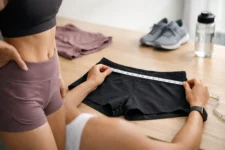
Start with two measurements: your natural waist and the fullest part of your hips. Use a soft measuring tape, keep it level, and do not pull it tight. For shorts, the hip measurement often matters just as much as the waist because it affects how the fabric sits across your glutes and upper thighs.
If you are between sizes, pause before automatically sizing down for a tighter look. That can work in some high-stretch fabrics, but it can also create digging at the waistband, flatten pockets, and make the shorts shift more during movement. On the other hand, sizing up too much can leave excess fabric in the crotch or leg openings, which tends to bunch during runs or lower-body training.
The smarter move is to compare your measurements to the brand’s size chart and then factor in the short’s intended fit. Compression shorts are supposed to feel snug. Relaxed training shorts should have a little room. Biker shorts should feel secure through the thigh without cutting off circulation. Tagged size is only the starting point. Performance fit is what matters.
Know your rise, inseam, and stretch level
Women often focus on waist size first, but rise and inseam can make or break comfort. A high-rise short usually gives more core coverage and tends to stay in place better during squats, lunges, and cycling. Mid-rise can feel less restrictive if you do lighter training or want a more casual fit. Low-rise is less common in serious training gear because it often shifts more during movement.
Inseam matters for coverage and chafing control. A 2-inch or 3-inch inseam feels light and cool, which many runners like, but it gives less thigh coverage. A 5-inch or 7-inch inseam usually stays put better and helps reduce inner-thigh friction. If your shorts constantly ride up, the inseam may be the problem more than the size.
Stretch level changes sizing decisions too. A short with lots of spandex may feel compressive in the hand but comfortable once on. A woven short with limited stretch needs more room through the hips and thighs. That is why the same body can wear one size in fitted training shorts and another in looser running shorts.
The right fit depends on how you train
Sizing women workout shorts is not just about body measurements. It is also about what your workouts demand. The pair that works for leg day may not be the one you want for a long walk or a HIIT class.
For running and cardio
Runners usually need a fit that feels secure without adding friction. Shorts that are too loose can shift and rub. Shorts that are too tight can dig into the leg opening or waistband once you start moving. If you mostly run, look for a fit that stays close to the body with enough stretch for a full stride.
Short inseams can feel faster and lighter, but if you deal with thigh chafing, go longer. Split shorts, fitted biker-style shorts, and lightweight lined styles all fit differently, so do not assume your size is the same across each category.
For lifting and strength training
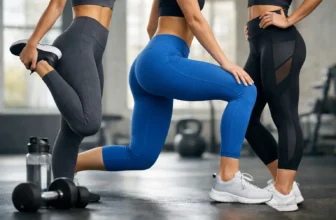
Lifters usually benefit from more coverage and a waistband that locks in. A high-rise, mid-thigh fit is popular for a reason – it tends to stay put under a barbell and gives you fewer distractions during squats, deadlifts, and hip thrusts.
If you want a compressive feel, your shorts should feel snug but not restrictive. You should be able to hinge, squat below parallel, and brace your core without feeling like the waistband is folding over or the fabric is turning see-through. If either happens, test one size up.
For yoga, Pilates, and studio sessions
These workouts expose poor fit quickly. Forward folds, seated twists, and floor work make rolling waistbands and pinching seams obvious. In these cases, softer fabric with moderate compression often works better than the tightest possible fit.
If the shorts leave marks after a short try-on, they may be too tight for longer wear. Studio workouts reward comfort and flexibility more than maximum hold.
Signs your workout shorts are too small
Too-small shorts do not always feel obviously tiny in the dressing room. Sometimes they only reveal themselves once you start moving. A waistband that digs sharply into your stomach, leg openings that squeeze your thighs, and fabric pulling across the hips are clear warning signs.
Another big one is sheerness. Bend, squat, and check the fabric under stretch. If it goes shiny or transparent, you need either a larger size or a thicker fabric. Shorts that slide downward because the waistband is overstretched can also be too small, even if they feel tight.
Camel toe, side seams pulling forward, and pockets that flare open are more clues. None of these mean your body is the problem. They mean the cut or size is wrong for the way the shorts are built.
Signs your workout shorts are too big
Oversized shorts have their own issues. The waistband may gap at the back, the crotch may sag, and the fabric may bunch through the front or upper thigh. In loose running shorts, too much volume can lead to rubbing instead of preventing it.
If you are constantly pulling the shorts back into place, they are not secure enough for training. A too-big pair can also shift during dynamic moves like box jumps, burpees, and sprints. Comfort should not mean excess fabric everywhere.
Fabric and design details that change sizing
This is where smart shoppers save time. Before buying, look at the fabric blend and construction. Nylon-spandex or polyester-spandex blends usually offer stretch and recovery. That helps the shorts stay fitted over time. Cotton-heavy blends may feel soft at first but can lose shape faster with sweat and repeated washing.
Seam placement matters too. A flat, wide waistband usually feels more forgiving than a narrow elastic band. A gusseted crotch adds mobility and can improve comfort across sizes. Side slits on woven shorts can make a closer fit feel less restrictive, while silicone grips on biker shorts help reduce ride-up.
Lining changes the feel as well. Built-in briefs in running shorts can make the fit feel tighter through the hip, even when the outer shell looks roomy. If a style includes lining, check whether your hip measurement puts you near the top of a size range.
How to try on women workout shorts the right way
If you want fewer returns and better picks, do a quick fit test before removing tags. Put the shorts on and move like you actually train. Walk, squat, lunge, sit, and raise one knee at a time. The shorts should stay in place without constant adjusting.
Pay attention to pressure points. The waistband should feel secure, not sharp. The leg openings should stay put, not squeeze. The fabric should stretch with you, not fight you.
This is also the moment to decide what kind of fit you prefer. Some women want a held-in feel for high-intensity sessions. Others want a barely-there fit for yoga or walking. Neither is more correct. It depends on your goal, your body shape, and how much compression you actually like.
Shopping tips if you are between sizes
If you are between sizes, think about the style first and the number second. For compression shorts, many women choose the smaller size only if the fabric is highly elastic and the brand notes a compressive fit. For woven or low-stretch shorts, sizing up usually gives a better result.
Also think about where you carry more shape. If your waist is smaller but your glutes and thighs are stronger, prioritize the hip measurement and look for a flexible waistband. If your midsection is where you want more comfort, a high-rise waistband with more give may matter more than a body-hugging leg.
This is one area where shopping from a broad fitness retailer helps. When you can compare fitted, relaxed, high-rise, and longer-inseam options in one place, it gets easier to match the short to your training instead of settling for whatever is close enough. That is the kind of practical edge shoppers can find at FitwellGoods.
The best size is the one that lets you forget about your shorts once the workout starts. Get the fit right, and every rep, step, and stretch feels more focused.