
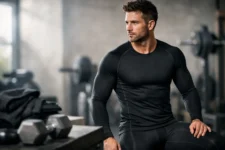
Cold first set. Sweaty second mile. Chilly garage gym. Overheated commute home. That is exactly where the right base layer earns its keep.
Mens compression base layers are not just another add-on in your drawer. When the fit is right, they help you train with less distraction, stay more comfortable through changing temperatures, and make your whole setup feel more dialed in. When the fit is wrong, they ride up, trap heat, and turn a workout into a constant adjustment session.
That is why this category deserves a closer look before you click buy.
What mens compression base layers actually do
A compression base layer sits close to the skin and is designed to move with you through lifting, running, cycling, field training, or fast-paced home workouts. The big win is not magic performance enhancement. It is control.
Good compression helps hold fabric in place, reduces bunching under shorts or joggers, and improves the feel of movement during repeated reps or longer sessions. It also helps with moisture management. If you are doing intervals, pushing sleds, or grinding through a leg day in a packed gym, that close-to-body fit can help sweat move off the skin faster than a loose cotton tee or basic underwear.
There is also the layering factor. In cooler weather, a fitted compression top or bottom creates a clean first layer that works under hoodies, training shorts, joggers, or outerwear without adding a lot of bulk. That matters if you train outdoors, warm up in the driveway, or move between indoor and outdoor sessions.
The biggest benefit is consistency
The best gear keeps you focused on the work. That is the real value here.
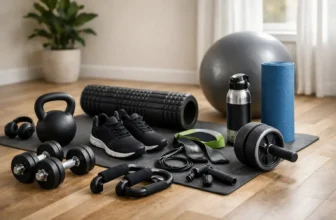
If you lift before work, you do not want to spend half your session tugging your shirt down between sets. If you run outside, you do not want cold air hitting sweat-soaked fabric and throwing off your pace. If you train at home and jump from kettlebell swings to a rower to mobility work, you want something that stays put through all of it.
Mens compression base layers can help create that locked-in feeling. For a lot of athletes and regular gym-goers, that translates to fewer distractions, cleaner layering, and better comfort from warm-up to cooldown.
That said, results depend on the material, the cut, and the way you train. A runner in cold weather needs something different from a lifter doing short, intense sessions indoors.
How to choose mens compression base layers for your training
The smartest buy starts with your actual routine, not just the product photo.
For lifting and strength training
Look for moderate compression, good stretch, and fabric that does not feel restrictive at the hips, shoulders, or knees. You want support and structure, but you still need full range of motion for squats, presses, rows, and lunges.
If you train in a commercial gym, breathability matters more than heavy insulation. A lighter base layer can help under shorts or a tee without making you overheat halfway through your workout.
For running and cardio
Sweat management becomes a bigger priority. A smooth, lightweight fabric with flat seams usually feels better over distance and lowers the chance of chafing. If you run outdoors, think about seasonality. Lightweight compression works for mild weather, while colder months may call for thermal options that still breathe well enough once your heart rate climbs.
For sports and functional training
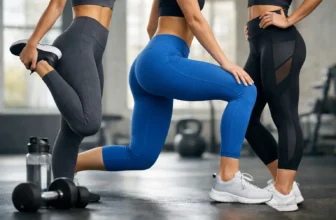
Agility drills, HIIT circuits, and field sports demand gear that stays in place during fast directional changes. In this case, compression shorts, leggings, or fitted tops can be especially useful because loose layers tend to shift, twist, or bunch when workouts get explosive.
For recovery and all-day wear
Some men like compression pieces after training or during travel because the fit feels supportive and easier to layer under everyday clothes. This is where comfort becomes the deciding factor. If the waistband digs in or the seams are harsh, you will stop wearing it fast.
Fit matters more than hype
Here is the part many shoppers skip. Compression should feel snug, not punishing.
If your base layer leaves you feeling squeezed, restricted, or short of breath, it is too tight. On the other hand, if it shifts around or hangs loose at the knees, thighs, sleeves, or waist, it is not doing much besides taking up space. The sweet spot is close, supportive, and easy to move in.
A lot of men make the mistake of sizing down for extra compression. Usually that backfires. You get more rolling, more seam stress, and less comfort during real movement. Your best size is the one that matches your measurements and training style, not the smallest one you can force on.
Fabric makes or breaks the experience
Not all compression fabrics feel the same, and this is where price differences often show up.
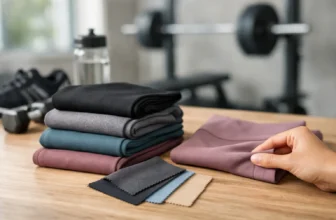
Synthetic performance blends are popular because they dry faster and hold shape better through repeated workouts and washes. Some feel slick and cool against the skin. Others feel thicker and warmer for winter training. Neither is automatically better. It depends on whether you run hot, train outdoors, or want something you can wear under multiple layers.
Look closely at seams, waistband design, and stretch recovery. A base layer can check all the marketing boxes and still disappoint if the waistband folds over during deadlifts or the fabric gets loose after a few wears.
Odor control treatments can be useful if you train often or do back-to-back sessions, but they should not distract from the basics. Comfort, moisture management, and durability come first.
Short sleeve, long sleeve, shorts, or tights?
This depends on where you train and what usually throws off your comfort.
Compression shorts are a strong pick for men who want support under training shorts during lifting, HIIT, basketball, or treadmill work. They are easy to wear year-round and make a lot of sense if your main issue is bunching or chafing.
Compression tights make more sense in cold weather, outdoor training, or for men who like more coverage during warm-ups and recovery sessions. They can also be useful in garage gyms where temperatures shift fast.
On top, short sleeve compression shirts work well for indoor sessions and layering under hoodies or quarter-zips. Long sleeve options are the move when you need warmth without a heavy outer layer. If you train outside at sunrise, that extra coverage can make the difference between a strong start and a miserable first 15 minutes.
When compression helps – and when it is just extra
This category shines when your workouts involve repeated movement, sweat, temperature changes, or layering. It can also be a smart buy if you are building a more complete training wardrobe and want pieces that work across seasons.
But not every guy needs full compression everything. If you mostly lift in a warm gym, train for under 45 minutes, and already feel comfortable in standard performance gear, you may only need one or two pieces instead of a full stack. That is a better buy than loading up on options you will barely wear.
The deal-minded move is to buy around use case. Start with the one piece that solves your biggest problem – maybe chafing on runs, cold starts in the garage, or discomfort under shorts during leg day. Then build from there.
How to shop smarter without wasting money
A good product page can help, but your best filter is still practicality.
Think about your weekly routine, how often you wash activewear, and whether you need one high-rotation piece or a few options to cycle through. If you train four to six times a week, durability matters. If you are mixing cardio, strength, and recovery work, versatility matters. If you are trying to stretch your budget, prioritize pieces you can wear across multiple settings instead of buying something overly specialized.
That is also where a broad store like FitwellGoods can make the process easier. When you are already shopping for shorts, hoodies, recovery tools, or training accessories, adding the right base layer to the mix makes more sense than treating it like a separate project. It is a practical upgrade, not a flashy one.
The best base layer is the one you forget about
That may not sound exciting, but it is the truth. Great compression gear does not beg for attention. It fits right, supports movement, handles sweat, and lets you focus on the next rep, the next mile, or the next round.
If your current setup leaves you adjusting, overheating, or layering badly, mens compression base layers are worth a serious look. Buy for the way you actually train, not the way a product ad says you should. The right choice will feel less like extra gear and more like one less thing slowing you down.









&url=https://fitwellgoods.com/shop/yoga/yoga-foam-wedges/small-wedge-pillowyoga-wedge-pillow-for-sleeping-resting-and-reading-in-bed-with-firm-supportair-layer-wedge-cover-bed-wedge-pillow-with-memory-foam-top-white/&media=https://m.media-amazon.com/images/I/21MWzn2smBL._SS1024_.jpg)


&url=https://fitwellgoods.com/shop/yoga/yoga-sandbags/abccanopy-photography-sandbag-for-video-stand-heavy-duty-weight-bags-for-light-tripod-camping-chair-4-packs-black/&media=https://m.media-amazon.com/images/I/41Nx1Cjdy3L._SS1024_.jpg)
