Bad shorts can wreck a workout faster than a skipped warmup. If you have ever spent a run tugging at the waistband, adjusting the inseam, or dealing with sweat-soaked fabric that bunches at the wrong time, you already know why mens gym shorts with liner have become a go-to for serious training and everyday sessions alike.
The right pair does more than look athletic. It cuts distractions, adds support, manages sweat better, and helps you move cleanly through lifts, sprints, circuits, and recovery work. That sounds simple, but not every lined short is built for the same job. Some are made for road miles. Some are better for squats and sled pushes. Some feel great for an hour and then start riding up halfway through leg day.
Why mens gym shorts with liner keep winning
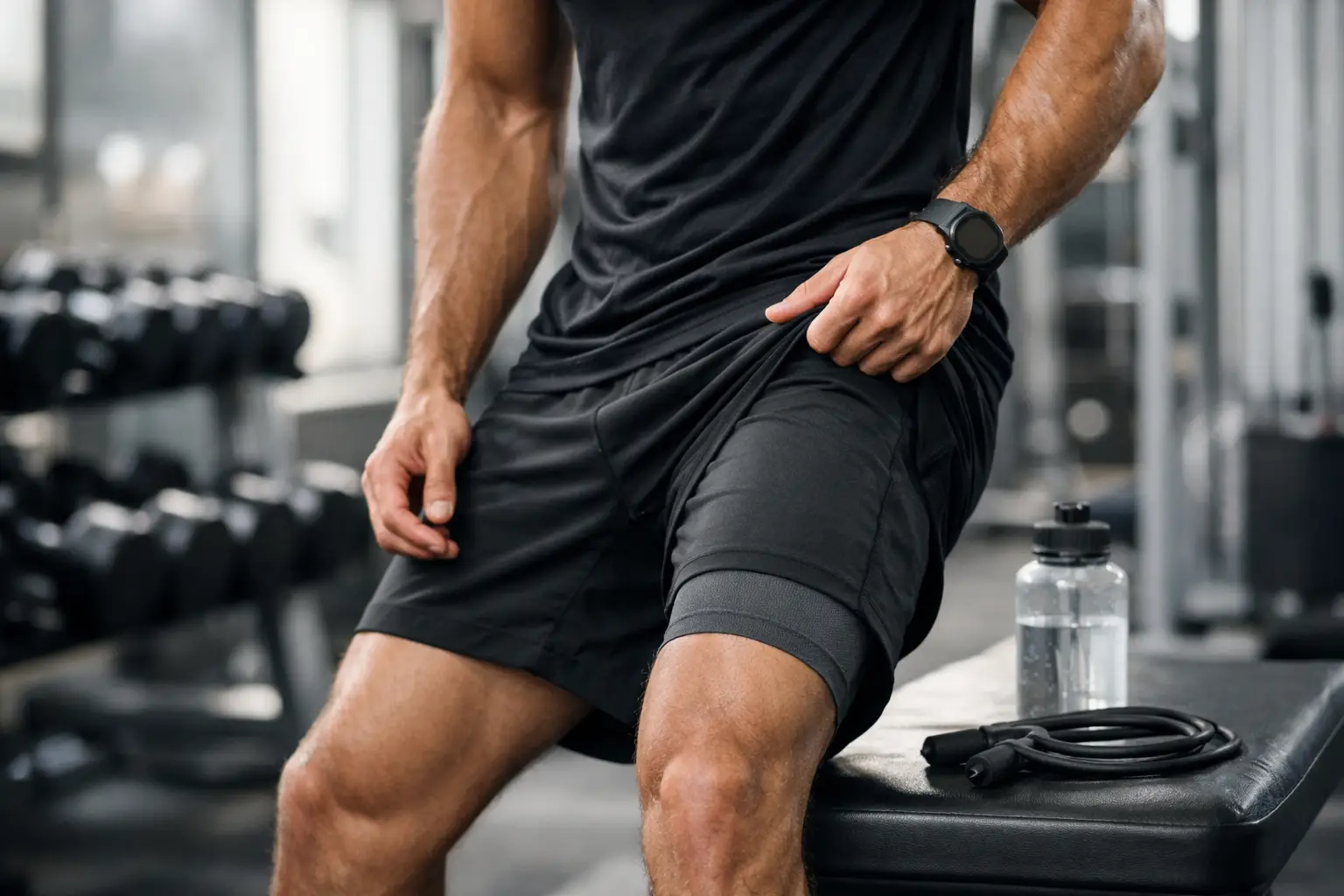
The biggest advantage is built-in support without the extra layer management. Instead of wearing separate compression shorts or boxer briefs under your training shorts, the liner handles that job in one piece. That usually means less shifting, less bunching, and fewer seams rubbing in high-friction areas.
For athletes and everyday gym-goers, that convenience matters. You grab one pair, train, and move on. It is a small upgrade that can make a noticeable difference when your workouts include running intervals, deep squats, jump rope, lunges, or anything with repeated motion.
There is also a performance angle. A good liner can help keep everything in place during explosive movement, reduce chafing on longer sessions, and improve comfort when heat and sweat start building. If your training mixes strength and conditioning, that versatility is a big selling point.
Still, there are trade-offs. Some liners feel too compressive if you prefer a looser fit. Others trap heat if the fabric is thick or the outer shell lacks ventilation. That is why the best choice depends less on hype and more on how you actually train.
What to look for in mens gym shorts with liner
Fit comes first. If the waist slips, the liner will not save the short. Look for a waistband that stays secure without digging in, especially if your sessions include loaded carries, rowing, or treadmill work. A drawstring helps, but the base fit should already feel solid.
The liner itself should feel supportive, not restrictive. Some are brief-style, while others use a compression-short design. Brief liners tend to feel lighter and cooler, which works well for runners or anyone training in hot conditions. Compression liners give more coverage and often feel better for lifting, circuit training, or mixed-use days when you want a little more hold.
Fabric matters more than many shoppers expect. Lightweight polyester blends usually dry fast and work well for high-sweat training. Shorts with stretch woven shells tend to move better during lateral drills and lower-body work. If the material feels heavy on the hanger, it may feel even heavier ten minutes into a hard session.
Inseam changes the whole experience. A 5-inch inseam usually feels more athletic and less restrictive, especially for running and HIIT. A 7-inch inseam often hits the sweet spot for guys who want coverage without too much extra fabric. Longer lengths can work, but they are more likely to catch during deep knee bends or feel bulky if you are training fast.
Pockets can be useful, but they are not always a win. Zipper pockets are great for commuting to the gym or holding keys and a card. During training, though, oversized pockets can throw off the drape and add bounce. If you carry your phone while walking or warming up, check whether the pocket placement actually keeps it stable.
The best use cases for lined shorts
If you run regularly, lined shorts are one of the easiest apparel upgrades you can make. The built-in support reduces motion, and the lighter setup often feels better than layering separate underwear underneath. For treadmill work, outdoor runs, and sprint intervals, that simplicity pays off.
For lifting, the answer is a little more mixed. Many lifters love mens gym shorts with liner because they stay put during squats, deadlifts, and accessory work. Others prefer unlined shorts so they can choose their own compression layer underneath. If you are serious about lower-body training, test how the liner feels at full depth and under load. Good shorts should disappear during the set, not remind you they are there.
For HIIT, bootcamp classes, and hybrid training, lined shorts tend to shine. Those workouts ask for quick transitions between running, jumping, rowing, lifting, and core work. A well-designed liner keeps the short stable when the pace changes and helps reduce the constant adjusting that kills momentum.
They also work well for travel, weekend wear, and recovery days. If you like gear that can move from a workout to errands without a full outfit change, this category has real value. That is part of the appeal for busy professionals and anyone building a smarter, more efficient training wardrobe.
Where shoppers get it wrong
A lot of people buy based on style first and performance second. Clean colors and a sharp cut matter, but if the liner pinches, the waistband folds, or the shell sticks when you sweat, the short will end up in the back of the drawer.
Another common mistake is choosing too much compression. More support is not always better. If the liner feels tight enough to limit hip movement or create pressure points, it will not feel good during longer sessions. The goal is secure and comfortable, not squeezed.
Sizing can also be tricky. Some shorts fit true in the shell but run tight in the liner. If you have larger quads or glutes, that mismatch shows up fast. In that case, a roomier outer short with a softer, more flexible liner usually performs better than a super-fitted design.
How to choose based on your training style
If your week is heavy on running, prioritize low weight, fast-drying fabric, and minimal bounce. A shorter inseam and breathable liner will usually feel best. You want shorts that stay cool and disappear once the miles start.
If you focus on strength training, look for stretch, durability, and a liner that does not fight your movement at the bottom of a squat or during split-stance work. Slightly more structure in the outer shell can be a plus here, since it often holds up better against benches, bars, and repeated gym use.
If your training is mixed, split the difference. Go for a medium inseam, moderate compression, and fabric with enough ventilation to handle cardio without feeling too bare for strength work. This is the sweet spot for most shoppers because it covers more sessions with fewer compromises.
That is also where a broad fitness retailer can save you time. Instead of digging through random options one by one, curated picks and compare-friendly shopping make it easier to spot the difference between a true training short and one that just looks the part. At FitwellGoods, that kind of goal-driven shopping is the point – less guesswork, more gear that earns its spot in your weekly rotation.
Small details that make a big difference
Flat seams help reduce friction, especially if you train for longer than an hour or spend time on cardio machines. Vent panels can make hot-weather sessions much more comfortable. Anti-odor treatments are nice, though they matter less than good fabric and proper washing.
Waistband construction is another hidden factor. A soft waistband can feel great for lounging, but if it rolls during burpees or heavy carries, that comfort disappears fast. On the other hand, a thick waistband that stays flat can make the whole short feel more premium and secure.
Care matters too. Liners break down faster when they are blasted with high heat in the dryer every week. If you want better longevity, wash cold and let them air dry when possible. That is especially smart if you train often and rotate through only a few pairs.
Are lined shorts worth it?
For most active guys, yes. They simplify your setup, improve comfort, and work especially well if you train across different modalities. The catch is that not every pair will suit every body type or workout style. If you like total control over your base layer, unlined shorts may still be the better call.
But if you want fewer distractions, cleaner movement, and one less gear decision before you train, mens gym shorts with liner are hard to beat. The right pair helps you focus on pace, form, and progress instead of adjusting your clothes between every set.
Your workouts already ask enough from you. Your shorts should keep up, stay comfortable, and get out of the way so you can chase the next rep, the next mile, or the next personal best.