Buying a belt that looks right is easy. Buying one that actually helps you brace harder under a heavy squat is where this weightlifting belt sizing guide matters. If your belt pinches, gaps, or forces you to suck in harder than you should, the issue usually is not your core strength – it is the size.
A good belt should feel supportive, secure, and adjustable enough for real training days. That includes days when you are leaner, days when you are bloated after a meal, and days when your setup changes between squats, deadlifts, and overhead work. Get the size right and your belt becomes one of those must-have training tools you reach for every week. Get it wrong and it ends up sitting in a drawer.
Why belt sizing matters more than most lifters think
A weightlifting belt is not supposed to replace bracing. It gives your core something to press against so you can create more intra-abdominal pressure. That means the fit has to be snug enough to support that pressure, but not so tight that you cannot take a full breath into your abdomen.
This is where many shoppers miss the mark. They buy based on pants size, assume all belts fit the same, or choose a size that only works at one exact bodyweight. Belts do not sit where your jeans sit, and training gear sizing is rarely consistent across brands. A belt that fits your waist at the navel may feel completely different from one measured lower on the hips.
The payoff for getting it right is simple – better stability, more confidence under load, and less time second-guessing your setup between sets.
How to measure for this weightlifting belt sizing guide
Start with a soft tape measure. Measure around the area where you will actually wear the belt, which for most lifters is around the navel or just slightly above it. Stand relaxed. Do not suck in your stomach, and do not push it out aggressively either. You want your normal training posture, not your best-looking mirror pose.
Take that measurement in inches and compare it to the belt brand’s size chart. That chart matters more than your pant size and more than what size you wore in another brand. If you are between sizes, do not guess based on optimism. Think about how you train.
If your bodyweight stays fairly stable and you prefer a locked-in fit, the smaller option may work. If you bulk and cut, train after meals, or want more room for adjustment, the larger size is usually the safer buy. For most people, landing in the middle holes or settings is the sweet spot. That gives you room to tighten or loosen the belt without running out of options.
Common belt sizes and what they usually mean
Most weightlifting belts come in sizes from XS through XL or in numerical waist ranges like 24 to 34 inches, 30 to 40 inches, and so on. There is no true universal standard. One medium can fit like another brand’s small. That is why size charts are not a formality – they are the decision-maker.
In practical terms, you want a belt that fastens near the middle. If you have to use the very first hole when the belt is new, you may outgrow it fast. If you are already on the loosest hole just to breathe comfortably, it is probably too small. A little flexibility is what keeps the belt useful through different training blocks.
This matters even more if you are shopping for a lever belt. Prong belts give you faster adjustment from session to session. Lever belts feel fast and secure once dialed in, but changing the fit usually takes more effort. If your waist measurement fluctuates often, convenience becomes part of sizing.
Prong vs lever vs Velcro and how fit changes
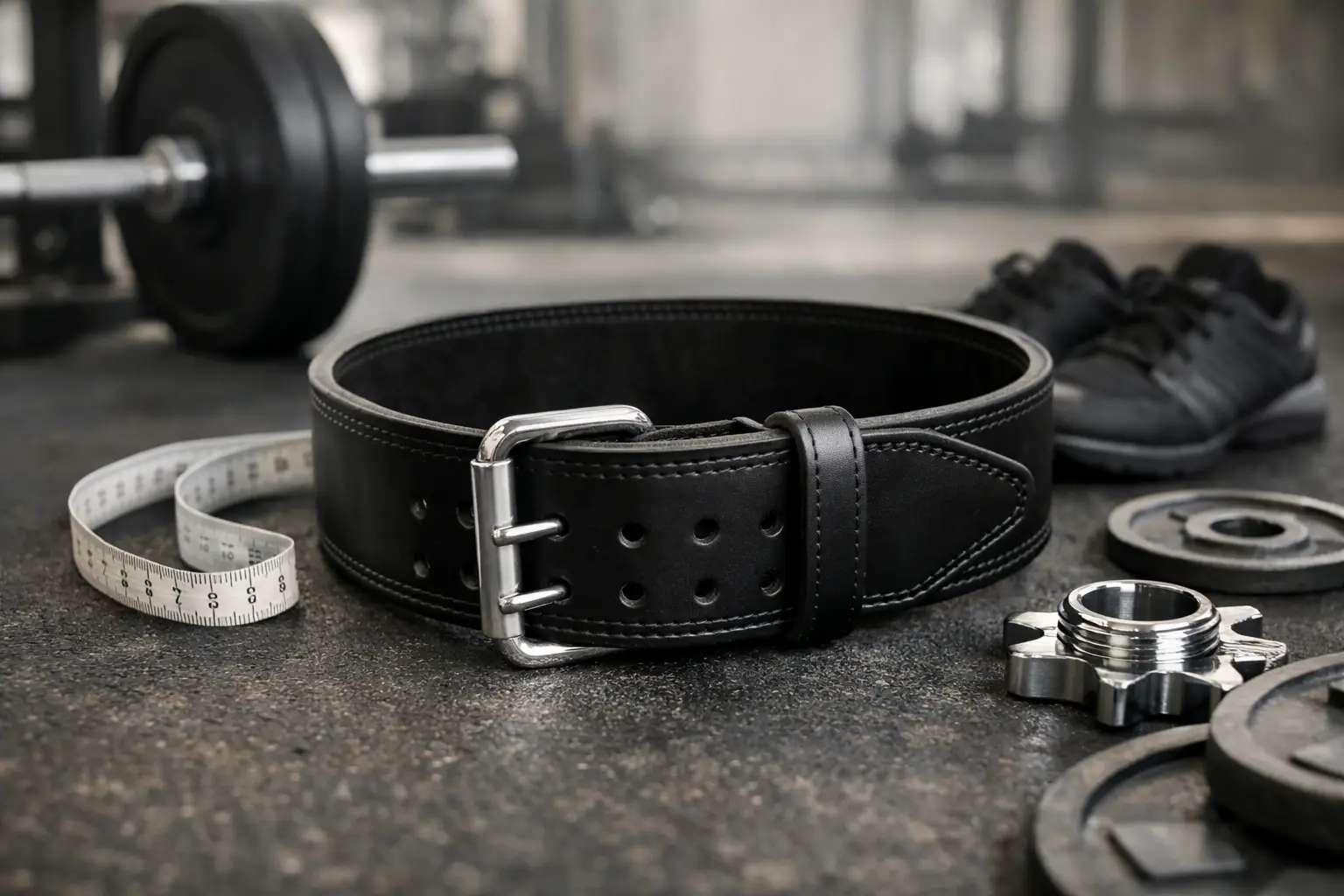
Not every belt fits the same way, even at the same measured size. A single-prong or double-prong leather belt gives you hole-by-hole adjustment and usually works well for lifters who want versatility. It is a strong choice for general strength training, especially if your bodyweight changes throughout the year.
A lever belt is more rigid and often favored by powerlifters chasing heavy top sets. When the fit is right, it feels fast, tight, and consistent. The trade-off is adjustability. If you are between sizes or you like different tightness levels for squats and deadlifts, sizing becomes more important because the belt is less forgiving.
A nylon or Velcro belt tends to offer more comfort and quicker adjustment. That can be a great option for functional fitness, circuits, or mixed training days where you are moving between lifts. The support is usually different from a stiff leather power belt, so the best size may be the one that balances support with comfort rather than maximum tightness.
Width and thickness affect sizing too
Here is where a lot of buying guides stop too early. Belt size is not only about waist measurement. Width and thickness change how a belt feels once it is on.
A standard 4-inch belt works well for many lifters, especially for squats and general powerlifting use. But if you have a shorter torso, that same width may dig into your ribs or hips when you set up for deadlifts. In that case, a 3-inch belt or a tapered design can feel better even if the waist measurement is correct.
Thickness matters too. A 10mm belt often feels supportive without being overly stiff for most lifters. A 13mm belt is more rigid and can feel tougher to break in. If you are newer to belts, the stiffer option is not automatically the better option. Comfort affects consistency, and consistency wins.
Signs your belt is too big or too small
If your belt is too big, you will notice movement right away. It may slide during the setup, leave too much gap when you brace, or force you onto the tightest setting just to feel some support. You should not have to crank a belt down awkwardly to make it useful.
If your belt is too small, taking a proper belly breath feels restricted. You may feel sharp pressure in the ribs, stomach, or lower back position as you hinge. Some lifters mistake that discomfort for good support. It is not. A belt should feel firm, not suffocating.
The best fit lets you expand into the belt. You should feel contact all the way around your midsection, with enough room to brace hard without fighting the belt itself.
Beginner mistakes that lead to returns
The biggest mistake is ordering based on jeans size. The second biggest is sizing down because you expect to lose weight. Buy for the body you train with now, not the one you hope to have in three months. A belt that does not fit today will not help your next workout.
Another common miss is ignoring training style. If you do heavy barbell work and want maximal support, a stiffer leather belt may make sense. If you move between Olympic lifts, circuits, and accessory work, a more flexible belt might be the better buy even if it looks less hardcore.
And then there is the holiday-deal trap. A steep discount can make any belt look like a hot pick, but value depends on fit. The best deal is still the one you can actually use week after week.
How to choose the right size if you are between sizes
If you are right in the middle of two sizes, think through three things – your current waist measurement, how much your weight fluctuates, and what kind of belt closure you want.
Choose the smaller size if you are at the lower end of a brand’s range and want a tighter competition-style fit. Choose the larger size if you sit near the top of a range, plan to bulk, or prefer easier breathing room for high-volume sessions. If your training changes often, a prong or Velcro setup usually gives you more day-to-day flexibility than a lever.
This is one of those it-depends decisions, and that is normal. The right answer is not always the smallest possible belt. It is the one that gives you support without boxing you into one exact body composition.
A smart shopping mindset for belt sizing
Think of your belt like any other serious piece of gym gear. It has to match your body, your lifts, and your training season. That means checking the size chart, measuring honestly, and choosing room for real-world adjustment. At FitwellGoods, that kind of practical buy is what keeps your gear working harder for your goals instead of turning into another unused add-on.
A belt should make heavy sets feel more controlled, not more complicated. Measure where you wear it, aim for the middle settings, and give yourself enough flexibility to train hard through every phase. The right fit is not flashy, but it is one of the best upgrades you can make before your next PR attempt.