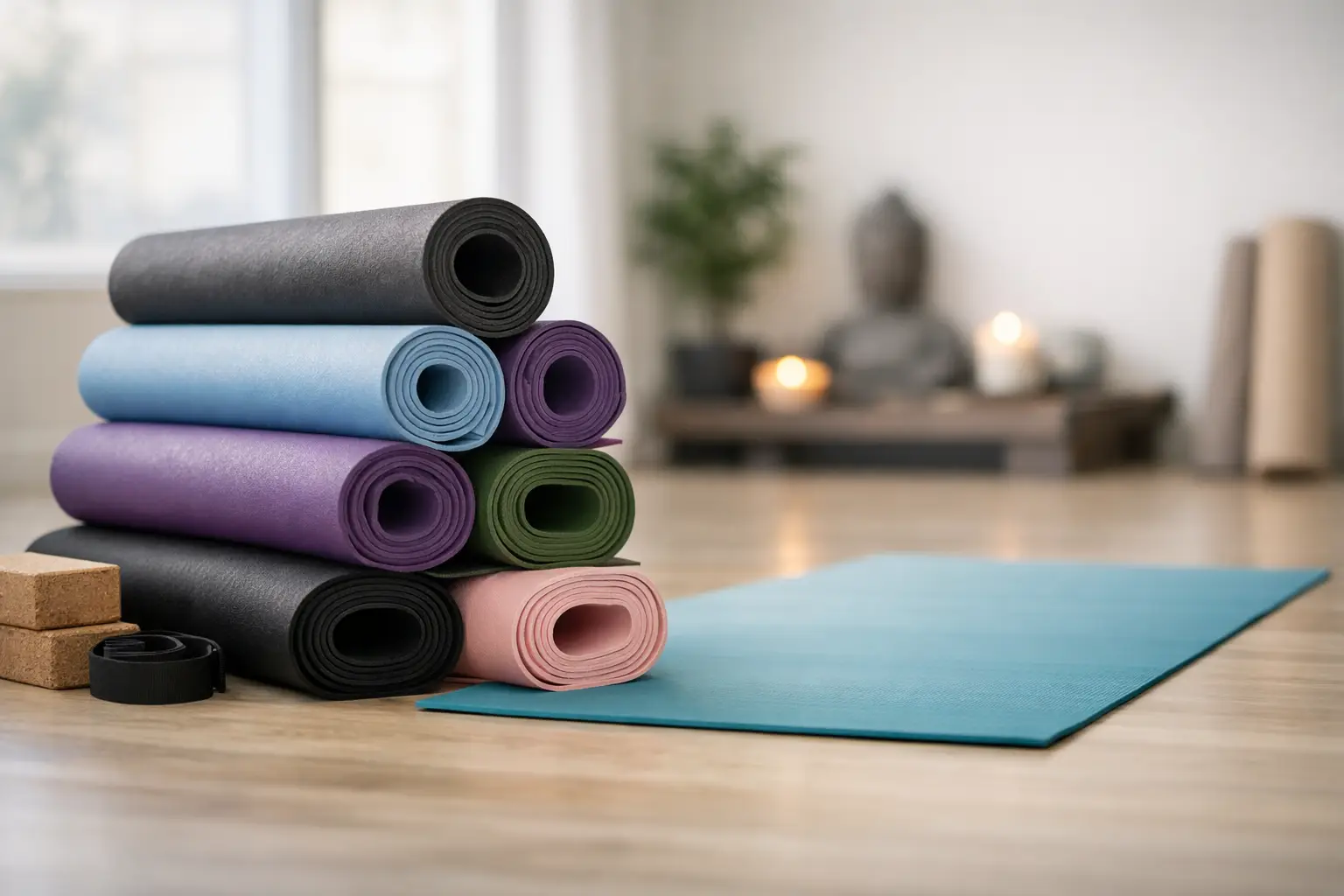
A mat that slides in downward dog can wreck a workout fast. If you’re shopping for the best non slip yoga mats, the real goal is simple – steady hands, planted feet, and one less thing stealing focus from your practice.
The tricky part is that “non slip” means different things depending on how you train. A mat that feels great for slow morning flows may not hold up in hot yoga. A plush option that saves your knees during floor work can feel unstable in balance poses. If you also use your mat for Pilates, mobility work, or quick strength sessions at home, that changes the equation too.
What actually makes the best non slip yoga mats work
Grip comes from two places – the top surface and the base. The top layer is what your hands and feet feel, and it determines whether sweat improves traction or turns the mat slick. The base is what keeps the mat from skating across hardwood, tile, or low-pile carpet.
This is why material matters more than marketing terms. Natural rubber usually gives excellent floor grip and a grounded feel, but it can be heavier and has a noticeable rubber smell at first. Polyurethane-topped mats tend to perform well when moisture shows up, which is why they are popular for hot yoga. PVC mats can be durable and budget-friendly, but grip varies a lot by finish and quality. TPE mats are lighter and often easier on the wallet, though some trade long-term durability for portability.
Thickness matters too. Thin mats, usually around 3 to 4 millimeters, keep you closer to the floor and help with balance. Thicker mats, around 5 to 6 millimeters or more, give more cushion for knees, wrists, and tailbone. The trade-off is that extra softness can make standing poses feel a little less stable.
Best non slip yoga mats by workout style
If you want a fast way to narrow the field, shop by how you move.
For hot yoga and sweaty sessions
Look for a mat with a moisture-reactive surface, often polyurethane over rubber. These mats usually get grippier as your hands and feet warm up. They are a strong pick if your practice leaves visible sweat on the mat or if you train in a heated room.
The trade-off is maintenance. These mats can show sweat marks, need more frequent wiping, and often cost more. But if slipping is your number one problem, this is where many of the top performers live.
For beginners and everyday home workouts
A balanced mat with decent grip, moderate cushioning, and a fair price is usually the smart buy. Many beginners do better with a mat around 5 millimeters because it feels more comfortable during seated poses, core work, and cooldown stretches. If you’re using one mat for yoga, mobility, and bodyweight training, versatility beats specialization.
This is also where value matters. You do not always need the most premium mat in the lineup. You need one that keeps you consistent.
For joint support and recovery days
If your knees are sensitive or you spend extra time in low lunges, cat-cow, or stretching sessions, a slightly thicker mat can be a game changer. The best choice here is one that adds comfort without turning mushy under pressure.
That balance is important. Too soft and your hands sink, which can bother wrists and affect alignment.
For travel and small-space setups
A lighter, foldable, or thinner mat makes more sense if you carry it to class, stash it in a work bag, or train in tight spaces. You will give up some cushioning, but convenience can be worth it if portability is the reason you actually use it.
9 features to look for before you buy
Shopping gets easier when you stop chasing hype and start comparing the details that affect real workouts.
1. Surface grip under dry and sweaty conditions
Some mats feel tacky right away but lose traction once sweat hits. Others start average and improve with heat and moisture. Think about your actual training style, not your ideal one.
2. Bottom grip on your floor type
A mat can feel grippy on top and still bunch up underneath. Hardwood, laminate, and tile usually expose weak floor grip quickly.
3. Thickness that matches your joints
For balance-focused practice, thinner can be better. For comfort-focused sessions, more cushion usually wins.
4. Material and skin feel
Some users love the grounded, dense feel of rubber. Others prefer a smoother or softer finish. If texture bothers you, this matters more than you think.
5. Weight and portability
Heavier mats often feel more premium and stable, but they are less convenient for commuting. If you carry your mat often, every extra pound counts.
6. Durability over time
A cheap mat that peels, stretches, or flakes after a few months is not a deal. Watch for how the surface holds up under frequent use.
7. Ease of cleaning
If you practice often, choose a mat you will realistically maintain. Some textured surfaces hide dirt better, while smooth performance tops may need more regular attention.
8. Size
Taller users should check length first. A standard mat can feel cramped if your hands or feet regularly spill off the ends.
9. Price versus use frequency
If yoga is a once-a-week add-on, a mid-range mat may be perfect. If it is part of your daily training routine, paying more for grip and durability usually makes sense.
How to choose the right mat without overthinking it
Start with one question: what is bothering you about your current mat? If the answer is slipping, prioritize top-surface traction over everything else. If your wrists and knees ache, favor cushioning with enough firmness to stay stable. If you skip workouts because hauling gear is annoying, go lighter.
It also helps to be honest about whether your mat is just for yoga. A lot of shoppers want one mat that can handle stretching, ab work, mobility drills, and short home circuits. In that case, an ultra-specialized hot yoga mat may not be the most practical buy. A versatile training mat with reliable grip and moderate support can deliver more overall value.
That is where a curated shopping approach pays off. Instead of scrolling through endless options, compare mats the way you would compare activewear, dumbbells, or recovery tools – by goal, by use case, and by what gives you the most progress per dollar.
Common mistakes shoppers make with the best non slip yoga mats
The first mistake is buying for looks alone. Clean colors and trendy designs are nice, but performance is what keeps you using the mat.
The second is assuming thicker always means better. More padding helps comfort, but too much can throw off balance and create wrist pressure in loaded poses.
The third is ignoring maintenance. Even the best mat can feel worse if lotion, dust, and sweat build up on the surface. A quick wipe-down after practice helps preserve grip and keeps the mat fresher longer.
The fourth is chasing the cheapest option when you practice often. There is a difference between saving money and replacing the same underperforming mat twice.
When a premium mat is worth it
If you practice three or more times a week, sweat heavily, or rely on your mat for yoga plus floor training, upgrading can be a smart move. Premium mats tend to stand out in three areas – dependable grip, longer wear, and better stability on hard floors.
They are not automatically the right call for everyone. If you are new to yoga and still figuring out your preferred style, a strong mid-range mat may be the better first step. Once you know whether you lean toward hot yoga, strength-based flows, restorative sessions, or mixed home training, you can buy with more confidence.
The best non slip yoga mats are the ones you’ll keep using
The right mat should make practice easier, not more complicated. It should feel secure when your pace picks up, supportive when joints need a break, and practical enough to fit your routine instead of collecting dust in a corner.
If you are building a better home setup, think of your mat the same way you think about any smart fitness buy – choose the one that supports consistency. A great deal is always nice, but the real win is gear that keeps you moving, steady, and ready for the next session.