A wrist tracker that only counts steps is starting to feel like a stopwatch that only tells time. The future of fitness wearables is less about collecting more numbers and more about turning the right numbers into useful decisions: train hard today, take a recovery day, hydrate, get to bed earlier, or adjust your pace before a tough workout turns into a setback.
For people balancing work, training, meal prep, and a home gym routine, that shift matters. A wearable should not create another dashboard to manage. It should help make progress easier to see and your next move easier to choose.
The Future of Fitness Wearables Gets More Personal
Wearables are moving beyond generic daily goals. Ten thousand steps may be a useful nudge, but it does not account for the person who lifted heavy yesterday, slept poorly, and plans to run intervals tonight. Newer devices are getting better at combining resting heart rate, heart rate variability, sleep patterns, activity load, skin temperature, and workout history to create a more individual picture.
That can make coaching feel more realistic. Instead of congratulating you for closing a ring after a draining day, a wearable may suggest a lighter ride, mobility work, or a walk. On a day when your recovery markers and sleep are strong, it may encourage you to push the pace or add another set.
The value is not that a device knows your body perfectly. It does not. Stress, travel, alcohol, illness, menstrual cycles, medication, and a poorly fitted sensor can all affect the data. The advantage is pattern recognition over time. If your sleep quality consistently drops after late pre-workout, or your heart rate stays elevated after high-volume leg days, those trends can help you make smarter adjustments.
Recovery Data Will Matter as Much as Workout Data
For years, fitness tech made exercise easy to measure because movement is visible. Recovery is harder. You can track miles, reps, and calories, but you cannot always feel accumulated fatigue until a workout suddenly feels flat.
That is why recovery is becoming a major battleground for wearable brands. Sleep stages, overnight heart rate, respiratory rate, readiness scores, and stress estimates are being packaged into simple guidance. The best version of this is not a score that tells you to cancel your plans. It is context that helps you train with intention.
A readiness score can be especially useful for people following structured strength, cardio, or weight-loss plans. If you are building consistency, knowing when to swap a high-intensity session for incline walking or a recovery ride can protect the habit without forcing an all-or-nothing choice. Pair that approach with the basics – quality sleep, enough protein, hydration, mobility work, and a sensible training split – and the wearable becomes a support tool rather than the boss of your routine.
There is a trade-off. Recovery algorithms are not medical diagnoses, and their recommendations can occasionally be overly cautious or miss how good you actually feel. Use the data alongside your own experience. Sore muscles, poor motivation, and a low score may point toward rest. A low score after a restless night does not automatically mean you cannot do a moderate workout.
Better Sensors Are Expanding What Can Be Measured
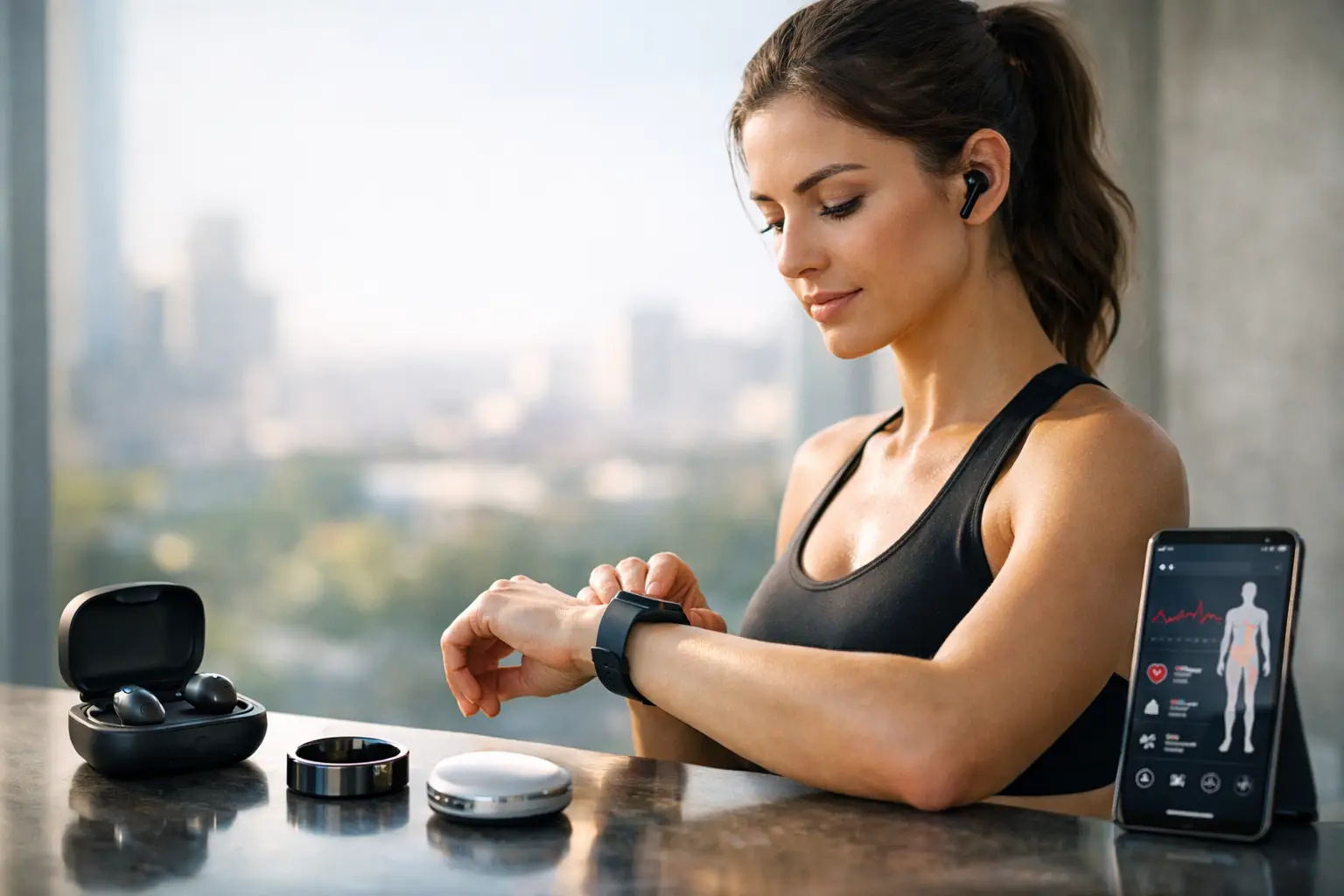
The next wave will not live on the wrist alone. Smart rings are popular because they are comfortable overnight and less distracting than a screen. Earbuds can capture heart rate during training. Smart clothing may eventually measure movement, breathing, and muscle activity with less bulk than a chest strap. Watches will remain versatile, but different form factors will win for different goals.
Expect sensors to improve in areas that matter for everyday training: more reliable heart-rate readings during strength sessions, better GPS accuracy for runners and cyclists, improved sleep detection, and more useful skin-temperature trends. Some features will arrive with big promises around blood pressure, glucose, hydration, or advanced health screening. Those claims deserve a careful look.
A sensor that is useful for spotting a trend is not necessarily accurate enough to replace a medical device. Before paying extra for a new metric, ask a simple question: What would I do differently if I knew this number? If the answer is unclear, spend your budget on gear that supports the routine you already want to build, such as adjustable dumbbells, a treadmill, supportive training shoes, or recovery essentials.
Strength Training Is Finally Getting More Attention
Wearables have traditionally favored runners because distance and pace are straightforward. Strength training is more complicated. A watch may recognize a movement, but it cannot always tell whether your squat had full depth, whether your final reps slowed down, or whether the load was challenging enough for your goal.
That is changing through motion sensors, computer vision, and workout logging that learns your patterns. Future devices may identify exercises more accurately, estimate rep speed, flag sudden drops in performance, and suggest progressive overload based on prior sessions. For home-gym athletes, that could bring more structure to training without needing a complicated spreadsheet.
Still, no wearable can replace sound technique or good judgment. If a device says you are ready to add weight but your form is breaking down, form wins. Think of wearable guidance as a training partner that remembers every session, not a substitute for coaching.
AI Coaching Will Be Useful Only if It Stays Specific
Artificial intelligence will make wearable insights more conversational. Instead of scanning five charts, you may ask why your recovery score dipped, whether your weekly cardio is increasing too quickly, or how to fit a workout into a 30-minute lunch break. The answer can draw from your recent activity, stated goals, and sleep trends.
That has real potential for busy professionals and beginners who want direction without information overload. A good AI coach could connect the dots: your steps have been high, your sleep has been short, your lifts have stalled, and your nutrition logs show protein is inconsistent. It could recommend a practical next step rather than another vague motivational message.
But personalization only works when the inputs are honest and the advice is transparent. Be cautious with apps that offer dramatic body-composition predictions or make aggressive nutrition recommendations from limited data. The strongest tools will explain why they are suggesting a change and leave room for your preferences, schedule, and health needs.
Privacy Will Become Part of the Purchase Decision
Fitness wearables collect highly personal information. Sleep timing, location, heart patterns, workout habits, and cycle tracking can reveal more about your life than a basic step count ever could. As devices become more capable, shoppers will increasingly care about where that data goes, who can access it, and whether it can be deleted.
Before choosing a device, review its privacy settings and subscription terms. Check whether core features work without a monthly fee, whether data can be exported, and whether the product remains useful if you switch phones or apps later. A low upfront price can be less of a deal if the insights you want stay behind a permanent paywall.
How to Shop for a Wearable That Fits Your Goal
The hottest new release is not always the best upgrade. Match the device to the habit you want to strengthen. A runner may prioritize GPS, pace, and battery life. A strength-focused shopper may care more about workout logging, heart-rate accuracy, and recovery trends. Someone trying to improve sleep may prefer a ring or a lightweight tracker that is comfortable overnight.
Also consider what you already use. The best wearable is one you will actually wear, charge, understand, and use to guide action. If notifications make you anxious, choose a simpler device. If you train outdoors for hours, prioritize battery life. If you are building a complete goal-driven setup, FitwellGoods makes it easier to pair smart tracking with the activewear, training equipment, recovery tools, and nutrition support behind the data.
The real win is not owning more technology. It is noticing the signal, making one better choice, and repeating it long enough for your progress to become impossible to ignore.