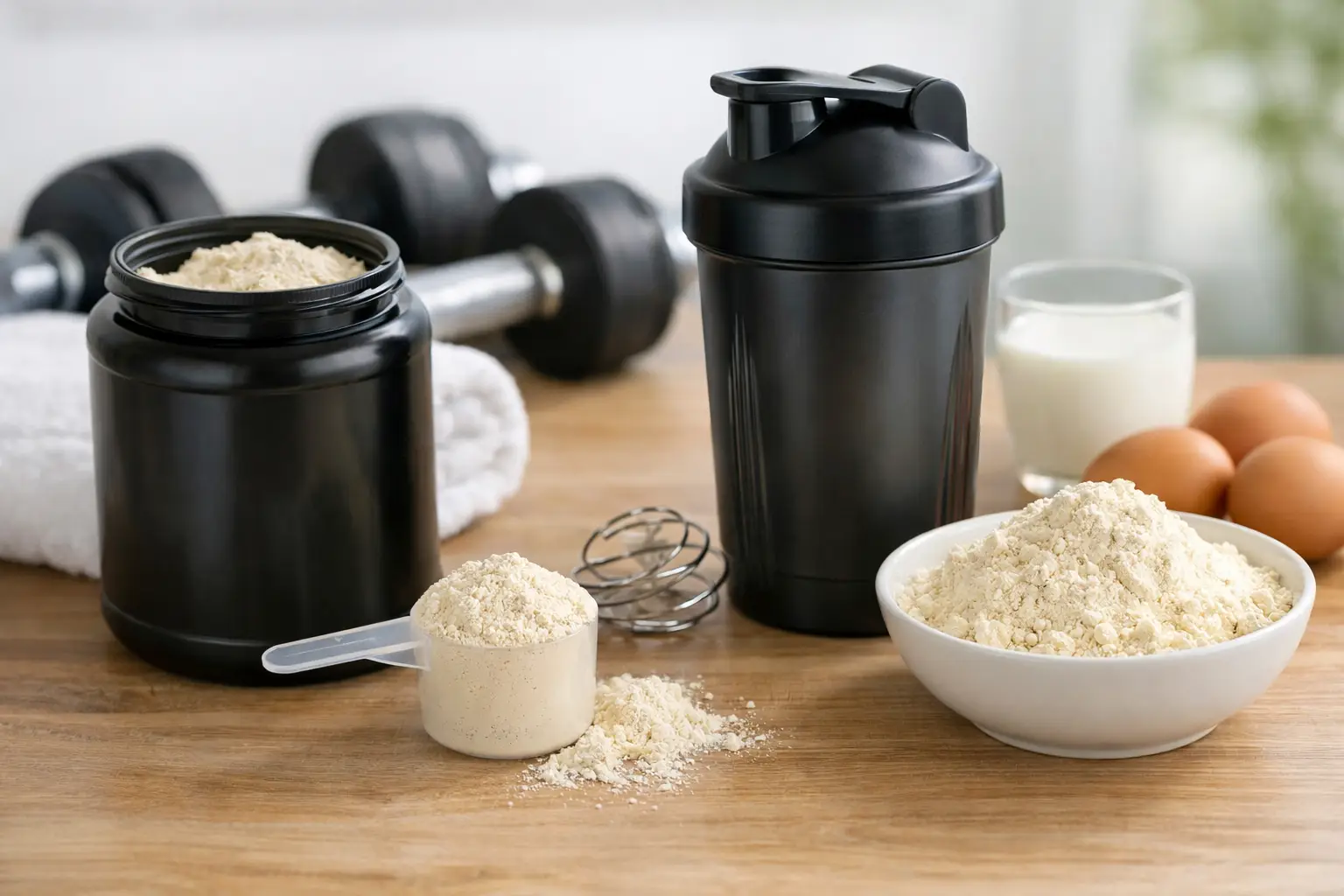
Your shaker bottle does not need to become another complicated fitness project. For most people, protein powder for beginners is simply a convenient way to close the gap between what they eat and what their goals require – whether that means building muscle, staying full between meetings, or recovering better after a tough home workout.
The key is buying for your routine, not buying the biggest tub with the loudest label. A protein powder can support progress, but it is not a replacement for meals, training consistency, sleep, or enough overall calories. Choose the right type, use it at the right time, and it can become one of the easiest tools in your fitness setup.
What Protein Powder Actually Does
Protein provides amino acids, the building blocks your body uses to repair and maintain tissue. When you strength train, those amino acids help support muscle recovery and growth. Protein also tends to be more filling than a carb-only snack, which can be useful for people managing body composition or trying to avoid the late-afternoon vending-machine run.
Powder is food convenience, not fitness magic. A scoop is especially helpful when breakfast is rushed, your lunch was light on protein, or dinner is still hours away. It can also make sense after training if you are not ready for a full meal.
Your total daily protein intake matters more than hitting a shake within a narrow post-workout window. If you are new to training, focus first on consistently eating protein across the day. Your powder is there to make that goal easier.
Protein Powder for Beginners: Pick Your Type
The best choice depends on your diet, digestion, budget, and goal. Do not assume the most expensive option is automatically the best fit.
Whey protein for everyday muscle support
Whey is dairy-based, mixes easily, and is a go-to choice for people who want a complete protein with all essential amino acids. It is popular for strength training because it is convenient, widely available, and usually offers 20 to 30 grams of protein per serving.
Whey concentrate is often more affordable and may contain a little more lactose, fat, and carbohydrate. Whey isolate is more filtered, typically lower in lactose and carbs, and can be a better pick if regular whey leaves you feeling bloated. Neither one is inherently required for results. If you tolerate concentrate well, it can be a smart value buy.
Plant protein for dairy-free routines
Plant-based powders are a strong option for vegans, people avoiding dairy, or anyone who prefers a plant-forward routine. Pea protein, brown rice protein, soy protein, and blends are common choices. A pea-and-rice blend is often designed to provide a more complete amino acid profile.
Texture can vary more than it does with whey. Some plant powders are a little earthier or thicker, so blending them with fruit, ice, or a creamy base can improve the experience. Check the label for protein per scoop instead of assuming every plant powder delivers the same amount.
Collagen has a different job
Collagen powder is often marketed for skin, hair, nails, and joint support. It can fit into a wellness routine, but it should not be your primary muscle-building protein. Collagen is not a complete protein and does not provide the same amino acid profile as whey, soy, egg, or a well-formulated plant blend.
If your main goal is strength, recovery, or increasing daily protein, choose a complete protein first. Collagen can be an add-on if it matches your broader wellness priorities.
How Much Protein Do You Need?
A beginner does not need to force down multiple shakes a day. One serving of powder generally provides around 20 to 30 grams of protein, but your ideal amount depends on body size, activity level, and the rest of your diet.
People who train regularly often aim for roughly 0.7 to 1 gram of protein per pound of body weight per day. That range is not a rule you need to obsess over on day one. Start by looking at your usual meals. If breakfast is coffee and a bagel, or lunch is mostly salad with little protein, one shake can make a meaningful difference.
For a simple starting point, use one scoop on days when food alone will not get you close to your target. Track how you feel, how well you recover, and whether the habit is sustainable. If you have kidney disease, are pregnant, take medications, or have a medical condition affecting your diet, ask a qualified healthcare professional for personalized guidance before changing your intake.
When Should You Drink It?
The best time is the time you will actually use it. Post-workout is convenient because you are already thinking about recovery, but it is not the only option.
A morning shake can add protein to a rushed breakfast. A shake between meals can help curb hunger when fat loss is your goal. A blended smoothie with protein powder, fruit, oats, and nut butter can work as a higher-calorie option for people trying to gain weight. For a lighter recovery shake, mix powder with water, milk, or a dairy-free alternative and keep it simple.
If you train at night and a full meal sounds unappealing, a protein shake can be a practical recovery choice. Just pay attention to caffeine or stimulant ingredients in any flavored blends marketed for performance.
Read the Label Before You Add to Cart
Protein grams matter, but the rest of the label matters too. A beginner-friendly powder should make it easy to understand what you are getting per scoop.
Look for a serving that delivers a meaningful amount of protein without loading the formula with unnecessary extras. If fat loss is your focus, compare calories, added sugar, and serving size. If muscle gain is your focus, extra carbs and calories may be useful, especially if you struggle to eat enough – but that is closer to a gainer strategy than a basic protein powder.
Pay attention to sweeteners and digestive ingredients. Sugar alcohols, added fiber, gums, and certain dairy ingredients can bother some stomachs. This does not make them bad ingredients; it means tolerance is personal. Start with a smaller serving for a few days if you are prone to bloating.
Also check how many scoops make up a serving. A lower sticker price is not always a better deal if the container holds fewer real servings. Compare cost per serving, protein per serving, and whether you will genuinely enjoy using it. A deal only helps if the product does not collect dust in the pantry.
Make Your First Shake Easy to Repeat
Start with the directions on the container, then adjust based on taste and texture. Most powders work with 8 to 12 ounces of liquid. More liquid creates a thinner shake; less makes it thicker. A shaker bottle is enough for most whey powders, while a blender can help smooth out plant protein or turn a shake into a more filling meal.
For a fast everyday option, pair vanilla or chocolate protein with milk or water. When you want more staying power, blend it with a banana, frozen berries, Greek yogurt, oats, or peanut butter. Choose additions based on your goal: fruit and oats add energy for training, while yogurt and nut butter make the shake more filling.
Do not use powder to punish yourself for eating normal food. Keep meals built around foods you enjoy, including lean meats, eggs, dairy, beans, tofu, grains, fruits, and vegetables. Protein powder earns its place when it removes friction from a healthy routine.
Build a Stack That Matches Your Goal
A protein powder pairs naturally with the basics: a consistent strength plan, supportive activewear, a shaker bottle, and recovery tools that make training easier to repeat. If you work out at home, a set of adjustable dumbbells or resistance bands can turn that post-workout shake into part of a complete strength routine.
Avoid buying a cabinet full of supplements before you have nailed the fundamentals. Protein is often a better first purchase than a complicated stack because it solves a straightforward problem: getting enough protein when life gets busy. Once your workouts and nutrition habits are consistent, you can decide whether additional recovery or wellness products fit your goals.
The best first tub is not the trendiest flavor or the most aggressive marketing claim. It is the protein powder you tolerate well, can afford to use consistently, and can reach for after the workouts that move you closer to your goal.