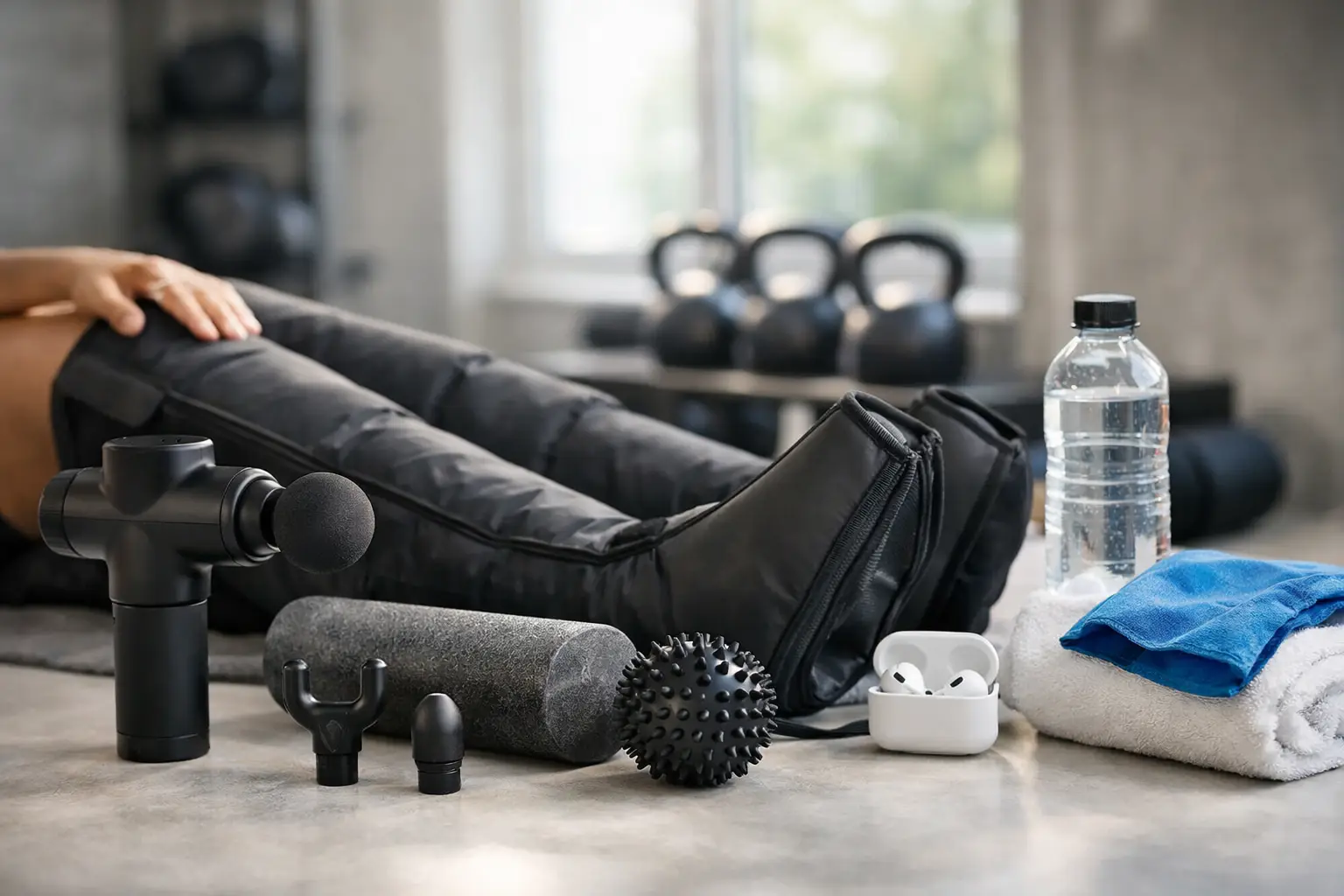
The hard session is over, but your training is not. The right guide to workout recovery tools can help you feel less stiff, move better for your next workout, and build a routine you will actually stick with. The key is not buying every trending gadget. It is matching a few smart recovery essentials to the way you train, where you feel tight, and how much time you have.
Recovery tools are not a substitute for sleep, enough food, hydration, or sensible programming. They can, however, make those in-between hours more comfortable and make it easier to stay consistent. Whether you are lifting in a home gym, logging miles on a treadmill, or squeezing in a quick strength workout after work, here is how to shop with purpose.
Guide to Workout Recovery Tools: Start With Your Training
Your best recovery setup depends on the stress you create. A beginner doing full-body workouts two or three times per week may need little more than a foam roller, exercise mat, and a few mobility drills. Someone training heavy, running regularly, or playing recreational sports may benefit from more targeted tools.
First, think about what limits your next session. Is it general muscle tightness after leg day? Sore feet after long walks or runs? Stiff hips from sitting between workouts? Or is it a specific pain that changes the way you move? General post-workout soreness often responds well to gentle movement and simple self-massage. Sharp pain, swelling, numbness, weakness, or pain that does not improve deserves evaluation from a qualified medical professional instead of another recovery purchase.
Choose tools that solve a repeat problem. A compact roller that gets used four times a week is a better buy than a high-priced device that stays in a drawer.
The Recovery Tools Worth Considering
Foam rollers for broad muscle work
A foam roller is one of the most practical first purchases for nearly any training plan. It works well on larger areas such as the quads, glutes, calves, upper back, and lats. Slow rolling can provide a temporary sensation of looseness and may help you feel more prepared to move through a comfortable range of motion.
Softer rollers are generally friendlier for beginners and anyone sensitive to pressure. Firm, textured rollers create more intense pressure and may suit experienced users who prefer a deeper sensation. More aggressive is not automatically better. If you are holding your breath or bracing through every pass, use a softer roller or reduce the pressure.
Spend about 30 to 60 seconds on a major muscle group after training or during a short mobility session. Avoid rolling directly over joints, the low back, bruised areas, or an acute injury.
Massage guns for targeted relief
Massage guns are popular for a reason: they are fast, convenient, and easy to use on hard-to-reach areas. A few minutes on the calves, glutes, hamstrings, or upper back can feel great after training, especially if your schedule does not allow for a long recovery routine.
Look for adjustable speeds, comfortable grip, battery life that matches your routine, and attachments you will genuinely use. A broad, soft attachment is a solid all-purpose option. Smaller attachments can be useful around dense muscle areas, but they are not designed to turn every tender spot into a target.
Keep the gun moving and use light to moderate pressure. Do not use it on bones, the front or side of the neck, varicose veins, areas with reduced sensation, or a fresh injury. If you have a medical condition, are pregnant, or take blood-thinning medication, check with your clinician before using percussion therapy.
Massage balls for feet, shoulders, and stubborn spots
A massage ball takes up almost no space and delivers precise pressure where a roller cannot. It is especially useful under the feet, around the glutes, along the upper back against a wall, and in the calves. For desk-bound professionals, a ball and a few minutes of shoulder or foot work can be an easy reset between meetings.
Start with a tennis-ball-style option or a softer massage ball. Harder balls are more intense, and they can be too much if you press directly into a sensitive spot. Use a wall to control pressure before moving to the floor.
Compression gear for comfort and convenience
Compression sleeves, socks, and boots are often chosen by runners, athletes on their feet all day, and people who enjoy a more supported feeling after training. The experience can be relaxing, and compression socks may be especially convenient after a long day of walking, travel, or lower-body training.
Compression boots cost more and take up more space than a roller or massage ball. They can be a worthwhile upgrade if you train frequently and know you will use them, but they are not a mandatory first step. If your budget is limited, prioritize foundational gear and recovery habits before investing in a premium system.
Mobility tools that help you move with intention
Resistance bands, yoga blocks, stretch straps, and exercise mats do not always get labeled as recovery equipment, but they earn a place in a smart setup. They make it easier to perform controlled mobility work rather than forcing deep, uncomfortable stretches.
A light band can support shoulder mobility and activation drills. A stretch strap helps you reach hamstrings and hips without rounding your back. Yoga blocks bring the floor closer during mobility flows, making the work more accessible whether you are new to training or simply tight after a long week.
Build a Routine Instead of Chasing a Quick Fix
The most useful recovery routine is short enough to happen. After a demanding workout, try five to 10 minutes of easy walking, cycling, or light movement before sitting down. Then choose one or two areas that feel most worked and spend a few controlled minutes with your roller, ball, or massage gun.
On rest days, use recovery tools as part of a low-intensity reset. A 15-minute session might include gentle calf rolling, hip mobility, upper-back work, and relaxed breathing. This is also a good time to notice patterns. If your hips always feel restricted after squats, for example, you may need to adjust your warm-up, desk setup, exercise technique, or training volume rather than simply adding more pressure.
Timing matters less than consistency. Some people like a brief massage-gun session before training because it helps them feel ready to move. Others prefer tools after exercise or before bed. Test what feels best, but keep pre-workout use brief and follow it with an active warm-up.
Do Not Let Recovery Tools Distract From the Basics
A foam roller cannot make up for sleeping five hours a night. A massage gun cannot replace enough protein and calories for your goals. Compression gear cannot fix a training plan that adds too much volume too quickly.
Put your biggest effort into the fundamentals: regular sleep, enough water, balanced meals, protein spread across the day, and rest days that match your training load. If you use sports nutrition or a recovery shake, treat it as a convenient support for your food intake, not a shortcut around it.
Recovery also includes smart progression. Leave room for easier training days, especially when performance drops, soreness lingers, or motivation is unusually low. More work is not always more progress.
A Simple Recovery Cart by Budget
For a practical starter setup, choose a foam roller, massage ball, and exercise mat. This combination covers broad muscle work, targeted pressure, and mobility sessions without crowding your space or budget.
For frequent lifters and runners, add a massage gun or compression socks based on what you will use most. Runners with tired calves and feet may get more daily value from socks and a massage ball. Strength athletes who feel tight through the glutes, quads, and upper back may prefer a massage gun.
For a home-gym upgrade, pair recovery tools with bands, a quality mat, and the nutrition products that fit your routine. FitwellGoods makes it easy to build a goal-based cart across training, wellness, and recovery essentials while you compare hot picks and current deals.
Your recovery routine does not need to be complicated to earn a place in your week. Pick the tool that fits your body, your training, and your space, then use it consistently enough to make your next workout feel like an opportunity rather than an obstacle.