The fastest way to fall back in love with your routine is to remove the friction. The leggings that slide down mid-squat. The dumbbells that are always “too light” or “way too heavy.” The pre-workout that hits hard one day and does nothing the next. When your setup feels off, your consistency pays the price.
New fitness gear just arrived, and this is the moment to upgrade with purpose – not random impulse buys. Think: one or two pieces that make your next 30 workouts easier to start and easier to finish. Below are the newest, most practical categories to shop right now, plus how to choose based on your actual goal.
New fitness gear just arrived for every goal
If you’re shopping because you want a real change in your body or performance, start by calling the shot. Fat loss, muscle gain, better conditioning, or simply “I want to work out 3-4 times a week without burning out” all lead to different choices.
Here’s the truth most people skip: the best gear is the gear you’ll use. That depends on space, schedule, and what you personally hate doing. If you dread long cardio, don’t buy a treadmill because it’s trending. If you hate clutter, don’t build a home gym that requires three different storage systems.
Use the sections below like a quick filter. Build a tighter setup, not a bigger one.
Activewear upgrades that change your training
Activewear feels like a “nice to have” until you wear something that actually supports your workout. Then it becomes your standard.
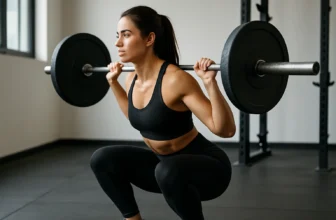
Start with training leggings and matching sets that stay put during hinge movements (deadlifts, RDLs), squats, and walking. The biggest win is a waistband that doesn’t roll or gap. If you do high-sweat sessions, look for fabrics that dry quickly and don’t turn heavy.
Men’s and women’s shorts matter more than people admit. The right inseam prevents riding up during lunges and sprints, and a stable waistband keeps you from constantly adjusting mid-set. Layering pieces like hoodies and base layers are clutch for early mornings, garage gyms, and anyone who warms up slowly.
Shoes are the trade-off category. Cross-training shoes are a strong middle ground for mixed workouts, but if you lift heavy, you may prefer a more stable, flatter base. If you run a lot, a dedicated running shoe can feel better – but it won’t always feel great on heavy leg day. It depends on whether your week is more strength, more cardio, or truly 50-50.
Home cardio that actually gets used
If you’re time-constrained, cardio machines can be the difference between “I’ll do it later” and “I got it done.” The best machine is the one you’ll step on when you’re tired.
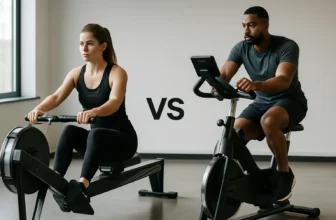
Treadmills are the reliable classic, especially if walking is your non-negotiable habit. They’re also loud and space-hungry, so they’re not for every apartment. Exercise bikes tend to be easier on joints and easier to keep in a corner, and they’re great for steady-state rides or interval work when you want intensity without impact.
Rowing machines are a sneaky full-body play. You get conditioning plus a real pull pattern that hits back and legs. The catch is technique. If you’re willing to learn the stroke, the payoff is huge. Ellipticals sit on the “easy entry” end – comfortable, smooth, and simple for longer sessions, especially for anyone managing knee sensitivity.
A good rule: if your main goal is fat loss, prioritize the machine you can do 20-40 minutes on consistently. If your main goal is performance, pick the one that supports intervals and progression without beating you up.
Strength gear for progress you can measure
Nothing beats the confidence of adding weight and knowing you’re getting stronger. Strength equipment is also where smart shopping matters most, because it’s easy to buy pieces that don’t fit together.
Adjustable dumbbells or a dumbbell set can cover most training plans. They’re versatile for presses, rows, split squats, RDLs, and shoulder work. Pairing dumbbells with a bench opens up your program fast – flat pressing, incline variations, step-ups, and supported rows.
Kettlebells are a different kind of tool. They shine for swings, cleans, goblet squats, and conditioning circuits. If you want strength plus cardio without a machine, kettlebells do that in a small footprint.
Plates and belts come into play when you’re ready to load heavier and protect form under fatigue. A belt can be useful for big lifts, but it’s not a replacement for bracing and good technique. Use it for top sets or heavier days, not as a crutch for every warm-up.
The trade-off: heavier strength gear delivers the fastest measurable progress, but it requires more planning. Consider storage, flooring, and how quickly you can set up. If setup takes 15 minutes, you’ll skip sessions. If setup takes 90 seconds, you’ll train.
Functional tools that keep workouts fun
Functional training equipment is the cheat code for variety. These are the pieces that make a 25-minute session feel fresh instead of repetitive.
Battle ropes are brutal in the best way – high output, low complexity. They’re perfect when you want to finish a strength workout with a short conditioner or replace a full cardio session with something intense.
Agility ladders and balance boards are about coordination and athleticism. They can look “light” until you do them with intention. They’re also great if you’re bored with traditional cardio.
Foam rollers are the quiet workhorse. They’re not magic, and they won’t replace sleep or smart training, but they can make your body feel less stiff and help you move better before lifting. If you’re sore all the time, that’s usually a recovery and volume issue – but rolling can still be a practical part of your routine.
Sports nutrition that supports the plan
Supplements work best when they support a consistent training and eating pattern. They’re not a shortcut, but they can absolutely make your plan easier to follow.
For energy and training drive, pre-workout is a popular pick. Some people love a strong stim formula. Others train better with a smoother option that doesn’t wreck sleep. If you train after work, this matters. Great workouts are nice. Great sleep is non-negotiable.
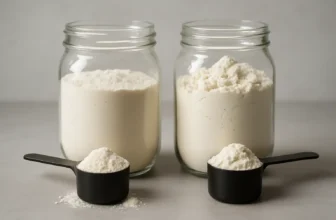
For recovery and body composition goals, protein and weight gainers are about convenience. If you struggle to hit protein, a shake can clean up your day fast. If you’re trying to gain mass and you simply can’t eat enough, a gainer can be helpful – but it depends on your appetite and digestion.
For weight-management stacks, people often explore keto systems, CLA, L-carnitine, and 7-keto. The big trade-off here is expectation. These are best used as support tools alongside a dialed routine. If your nutrition is inconsistent, you’ll feel disappointed. If your routine is consistent, the right stack can help you stick to it.
And don’t ignore the Holistic Health Collection angle: sleep, gut health, and stress management are performance multipliers. If you’re training hard but sleeping poorly, “more stimulants” is rarely the answer.
How to shop without decision fatigue
When everything looks good, it’s easy to buy too much. A smarter approach is to build a tight “progress kit” that matches your goal and constraints.
If you want fat loss and better consistency, think in terms of friction reduction: a cardio option you’ll use, activewear that keeps you comfortable, and recovery support that helps you show up again tomorrow. If you want muscle gain, prioritize load progression: dumbbells, a bench, protein support, and one or two accessories that help you train hard without pain.
And if you’re doing a full lifestyle reset, keep it simple: one strength path, one conditioning path, and one recovery path. You can expand later when your routine proves it can handle more.
If you want a one-stop place to build that cart across apparel, equipment, and nutrition while browsing Today’s Highlights, Trending, and Best Sellers, shop at FitwellGoods.
Limited-time mindset: buy for the next 30 workouts
Deals are exciting. New arrivals are exciting. But the best shopping decisions are the ones you’ll still be happy with after the dopamine fades.
Before you check out, picture the next 30 workouts. Will this gear make them easier to start? Will it remove a pain point or unlock progression? Will it fit your space and schedule without adding stress?
If the answer is yes, you’re not just buying new stuff – you’re buying momentum. And momentum is the one thing every goal has in common.