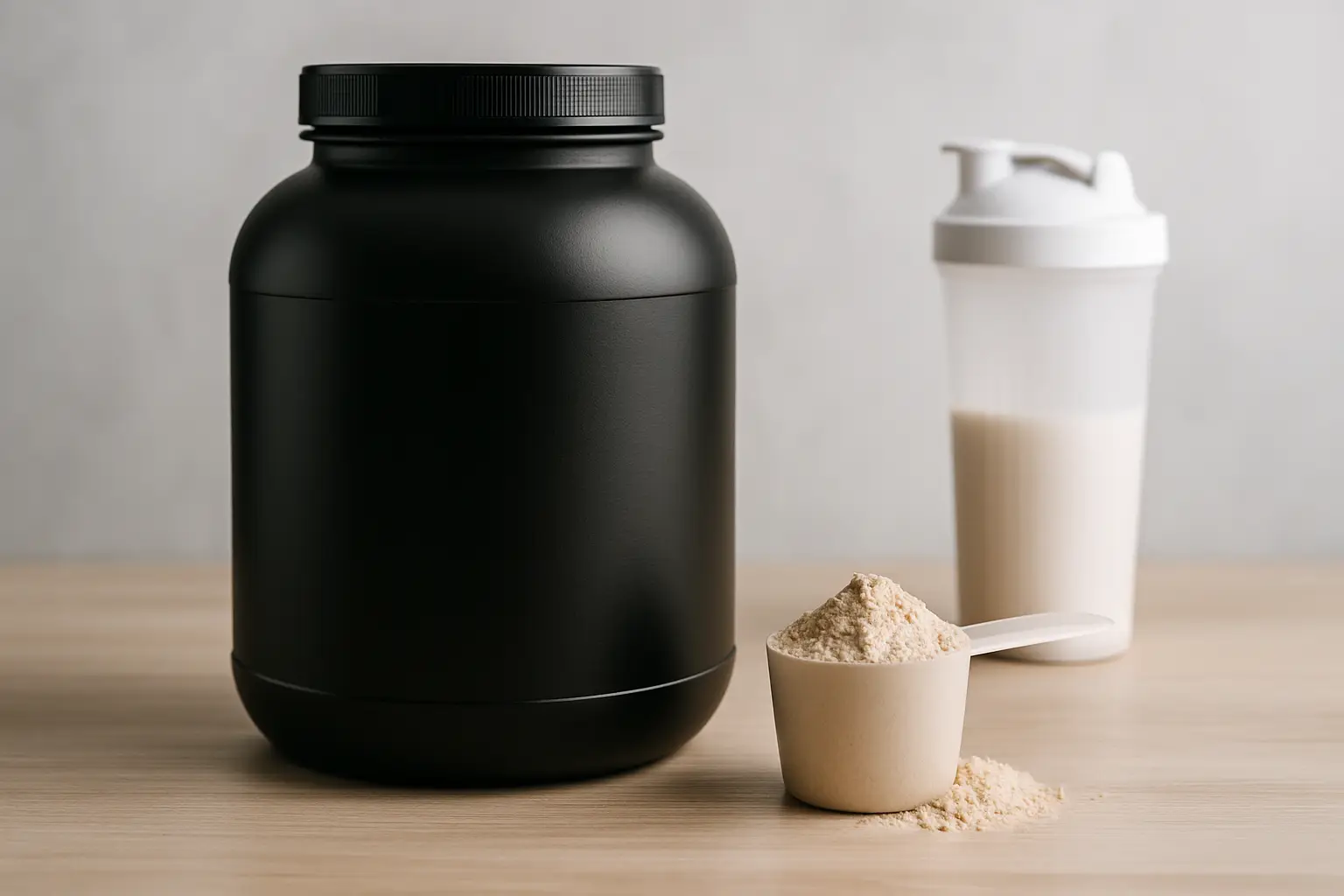
You grab a protein tub because you want results – muscle, better recovery, fewer snack attacks, an easier way to hit your macros. Then you flip the label and it turns into chemistry class: whey isolate, sunflower lecithin, acesulfame potassium, xanthan gum, protease blend. If you have ever thought, “Is this stuff helping me or just padding the scoop?” this is for you.
This protein powder ingredient guide is built for real shopping decisions. Not just what an ingredient is, but why it is there, when it is a win, and when it is a red flag depending on your goal.
Start here: the protein source is the whole game
The first job is picking the right protein base for your body and your routine. Everything else on the label matters less than whether the primary protein fits your digestion, budget, and training style.
Whey concentrate vs whey isolate vs whey hydrolysate
Whey is fast-digesting and classic for post-workout. The differences are mostly filtration level, lactose content, and price.
Whey concentrate usually has a little more lactose and fat, and it is often the best value. If dairy sits fine with you and you want an affordable daily driver, concentrate can be a solid pick.
Whey isolate is more filtered, typically higher protein by weight and lower in lactose. If you are cutting calories, watching carbs, or you get bloated from regular whey, isolate is often the smoother ride.
Whey hydrolysate is pre-broken down for faster digestion. Some people love it for sensitive stomachs, but it tends to cost more and can taste more bitter. The win is usually for athletes who want the easiest-on-the-gut option or who are stacking multiple servings per day.
Casein: slower protein, different use
Casein digests slower and is popular at night or when you want a protein that keeps you full longer. If your biggest challenge is late-night snacking or long gaps between meals, casein can feel like a cheat code. The trade-off is texture – many casein powders mix thicker, and some people do not love that.
Egg, beef, and collagen: know what you are buying
Egg white protein is a legit complete protein and a strong alternative for people avoiding dairy. It can foam and taste “eggy” in some flavors, so it is not always the smoothest shaker option.
Beef protein isolate sounds intense, but many versions are basically hydrolyzed beef protein with minimal fat. It can work for dairy-free shoppers, but check taste and third-party testing reputation when possible.
Collagen is where labels can get sneaky. Collagen can support joints, tendons, and skin, but it is not a complete muscle-building protein on its own. If a tub markets itself like a muscle protein and collagen is the main ingredient, that is a mismatch for hypertrophy goals. Collagen is best as an add-on, not your primary protein.
Plant proteins: blend matters
Plant protein can be fantastic, especially for dairy-free and gut-sensitive shoppers. The label tells you whether it is built for performance or just built to be cheap.
Pea protein is high in leucine relative to many plant options and is commonly the backbone of strong plant blends. It can taste earthy.
Rice protein is often paired with pea to balance amino acids. On its own it may be lower in lysine.
Soy protein isolate is a complete protein with a long track record. If soy works for you, it can be highly effective. Some shoppers prefer to avoid soy for personal reasons, so it is worth knowing when it appears.
Hemp protein brings fiber and minerals, but it is usually lower protein density. It can be great for a “whole-food” vibe, less ideal if you want the most protein per calorie.
The number that matters: protein per scoop vs “fluff”
Do a quick reality check: grams of protein per serving compared to total serving size. If a serving is 40g and protein is 20g, half the scoop is not protein. Sometimes that is fine if it includes carbs for bulking or fiber for fullness. But if you are buying a lean protein powder, you want the protein ratio to look like it means business.
Also look at calories, carbs, and fat as a set. A protein meant for lean gains should not quietly behave like a mass gainer.
Sweeteners and flavor systems: where tolerance varies
Most powders need help tasting like something you want daily. The question is not “are sweeteners bad,” it is “which ones work with your body and your goals.”
Natural and sugar-based options
Cane sugar, coconut sugar, and dextrose are straightforward. They will raise carbs and calories, which can be useful for hard gainers or post-workout carbs, but they are not ideal if you are running a tight cut.
Sugar alcohols like erythritol, xylitol, and sorbitol can lower sugar impact, but they can also cause GI chaos for some people. If you have ever had protein turn your afternoon into a bathroom sprint, sugar alcohols are a prime suspect.
Non-nutritive sweeteners
Sucralose and acesulfame potassium are common because they work in small amounts and keep calories low. Many people tolerate them well, some do not. If you are sensitive, headaches or stomach upset can show up quickly.
Stevia and monk fruit are popular “natural” alternatives, but they can leave a bitter or lingering aftertaste. If you are picky about flavor, this matters because you will not stick with a tub you dread.
Thickeners, gums, and “mixability” ingredients
If you want a powder that blends smoothly, stays creamy, and does not separate, you are going to see functional ingredients. They are not automatically bad – they are usually there so your shaker does not taste like gritty sadness.
Lecithin (soy or sunflower) helps powders mix. Sunflower lecithin is a nice option for shoppers avoiding soy.
Gums like xanthan gum, guar gum, and cellulose gum thicken and stabilize. Small amounts are normal. If you have a sensitive gut or you drink multiple shakes per day, high gum loads can contribute to bloating. It depends on your tolerance.
Inulin or chicory root fiber can boost fiber and improve texture. It can also trigger gas for some people, especially if you are new to higher fiber.
Enzymes and “digestive support” blends
You will often see lactase, protease, bromelain, papain, or multi-enzyme blends. These can help certain people digest protein more comfortably, especially with whey concentrate or higher servings.
Here is the catch: labels rarely tell you the exact dose for proprietary blends. Enzymes can still help, but do not pay a premium expecting a medical-grade digestive solution. If you are consistently uncomfortable with a protein powder, the simplest fix is often switching the protein type (isolate instead of concentrate, or plant instead of dairy) rather than chasing enzyme claims.
Amino acids: the biggest “marketing math” zone
Amino acids are not evil. The issue is how they are used.
BCAAs (leucine, isoleucine, valine) are naturally present in complete proteins. If a label brags about added BCAAs, it may just be highlighting what is already there.
Watch for “amino spiking,” where cheap free-form amino acids are added to inflate the nitrogen reading, making protein content look higher than it really is. You cannot always detect this perfectly as a shopper, but you can be skeptical when you see a long list of free-form amino acids (glycine, taurine, arginine) in a product that is supposed to be a straightforward protein.
If your goal is muscle gain, you generally want the protein to come from high-quality whole proteins first, not a lab-created amino cocktail.
Oils, creamers, and MCTs: useful, but goal-dependent
Some powders include MCT oil powder, coconut oil powder, or non-dairy creamers to improve mouthfeel or support higher calories.
If you are doing keto or you want a more filling shake, MCTs can be a plus. If you are cutting and tracking tightly, added fats can quietly push calories up. Neither is “right” universally – it depends on whether you want a lean protein or a meal-style shake.
Micronutrients and functional add-ons
You may see vitamins and minerals added, especially in “meal replacement” style proteins. That can be helpful for convenience, but remember you are then buying a hybrid product, not a pure protein.
Greens, adaptogens, or “superfood” blends can sound exciting, but they often show up in small amounts that do not move the needle. If you want greens, buy greens. If you want protein, keep your protein simple.
Creatine is the add-on that actually can matter for performance when dosed correctly, but many proteins underdose it. If creatine is a priority, you might be better off taking it separately so you control your daily amount.
Allergens and dietary filters to check fast
If you are scanning quickly, the allergen statement and a few key ingredients can save you from wasting money on a tub you cannot use.
Dairy shows up as whey, casein, milk solids, and sometimes creamers.
Soy can show up as soy protein, soy lecithin, or soybean oil.
Gluten is less common in protein powders, but it can appear through flavor systems or facilities. If you are strict, look for a clear gluten-free statement.
Match the ingredient profile to your goal
If you are cutting, prioritize high protein per calorie, minimal added fats, and sweeteners that you tolerate. Isolate or a clean plant blend usually fits best.
If you are leaning into muscle gain, you can tolerate a little more carb and fat, especially if the shake replaces a snack you would otherwise grab. Concentrate or blended whey can be a budget-friendly way to get extra daily protein.
If you want meal replacement convenience, look for added fiber and micronutrients, but be honest about calories. A “healthy” meal shake can still be 300-500 calories fast.
If digestion is your main issue, simplify the label: fewer gums, fewer sugar alcohols, and a protein type you know you handle well. Sometimes the best “ingredient upgrade” is choosing a product with less going on.
A fast label read that actually works in the aisle
When you are comparing tubs, spend 20 seconds on four spots: the protein source (first ingredient), protein grams vs serving size, sweeteners, and the “extra stuff” section (gums, fibers, amino adds). That is enough to avoid most regrets.
If you want to shop by goal instead of getting stuck in label limbo, FitwellGoods keeps protein categories organized for cutting, bulking, and wellness-focused stacks at https://fitwellgoods.com, which makes it easier to compare options without opening ten tabs.
The best protein powder is the one you can take consistently, that sits well in your stomach, and that supports the numbers you are chasing – strength up, recovery up, cravings down. Pick the cleanest label that still tastes good enough to become routine, because routine is where the progress lives.