
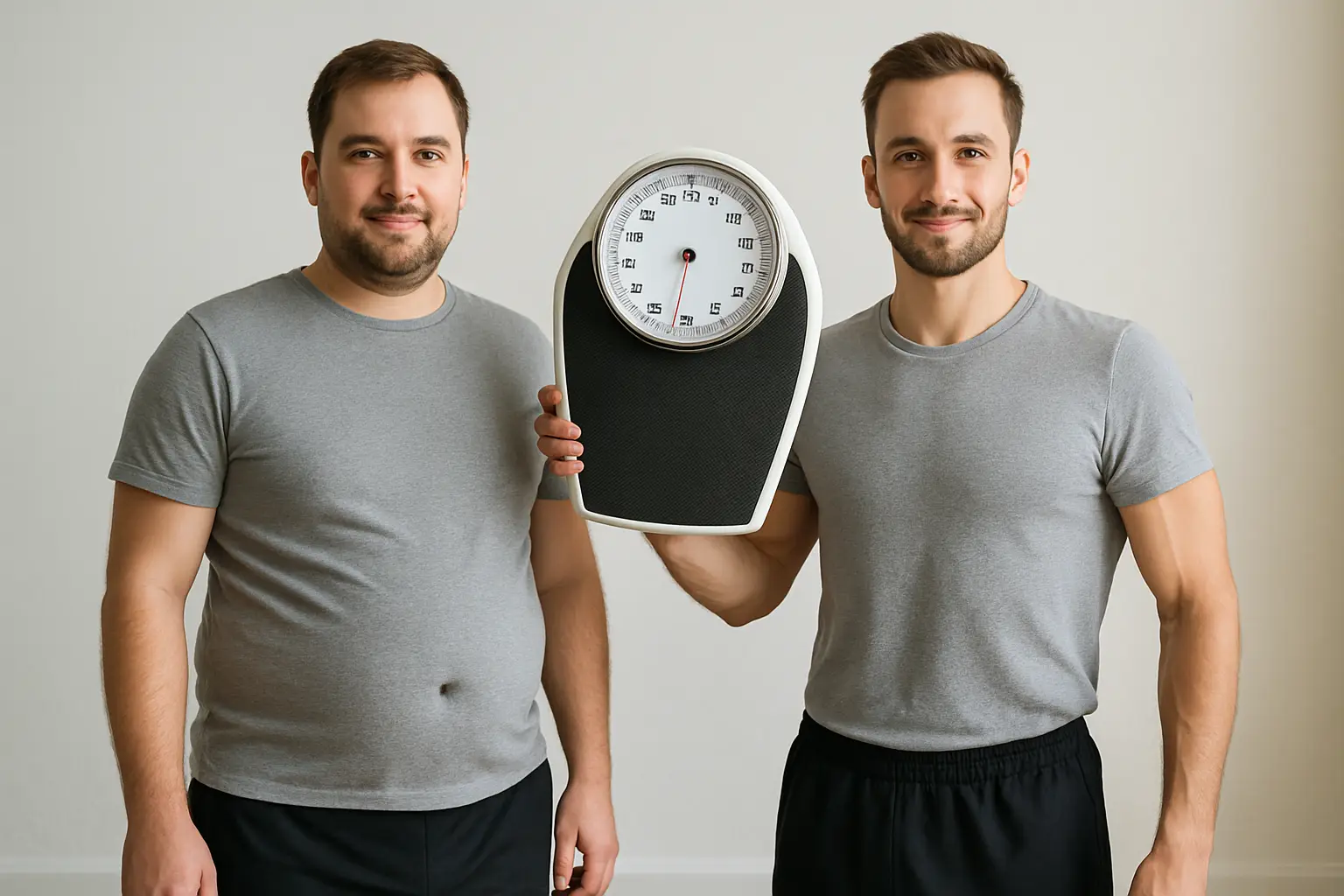
You’re not asking if keto “works.” You’re asking what you’ll actually see on the scale, in the mirror, and in your workouts after 30 days – and whether those changes are real progress or just water weight playing tricks.
That’s the right question. Keto can move the needle quickly, but the fastest results aren’t always the ones that matter most. If you want keto system results 30 days from now that you can keep, you need to understand what your body is doing week by week, where people get stuck, and how to stack your routine so you’re not white-knuckling it.
Keto system results 30 days: the honest timeline
Keto is a low-carb, higher-fat approach that nudges your body toward burning fat and producing ketones for energy. When carbs drop, insulin generally drops too, and your body stops holding as much glycogen – the stored form of carbs in muscle and liver. Glycogen holds water, so when it goes down, water goes with it.
That’s why the first week can feel like a “cheat code.” It’s also why some people panic in week three when the scale slows down. Both experiences are normal.
Days 1-7: the fast drop (mostly water)
Many people see a noticeable scale change in the first week. For a lot of adults, that’s 2-8 pounds, depending on starting weight, prior carb intake, sodium, stress, and even sleep.
What you’ll likely feel: a mix of appetite changes and energy swings. Some people feel mentally sharp by day three. Others get the classic “keto flu” vibe – headaches, fatigue, irritability, and low workout drive. That doesn’t mean keto is failing. It usually means electrolytes and hydration aren’t keeping up with the new reality of lower insulin and higher fluid loss.
Training in this week should be about momentum, not PRs. If your lifts feel heavier and your cardio feels weird, you’re not broken – you’re adapting.
Days 8-14: cravings calm down, routines get easier
Week two is where the plan stops being an experiment and becomes a routine. If you’ve been consistent, cravings typically soften and hunger can become more predictable. This is when a lot of people notice less snacking, easier portion control, and fewer energy crashes.
Scale changes might continue, but they often slow compared to week one. That’s fine. The win here is consistency: hitting your protein target, staying low enough in carbs to maintain ketosis (or close to it), and getting your meals to feel automatic.
If you’re strength training, you may still feel slightly “flat” in the gym. Pump can be reduced because muscle glycogen is lower. The upside is that workouts become more manageable as your body learns to use fat and ketones more efficiently.
Days 15-21: the stall zone (and why it happens)
This is the week when the internet starts yelling “plateau!” and people start carb-cycling randomly or cutting calories too hard.
Here’s what’s happening. Your initial water drop is done, so fat loss is the main driver now, and fat loss is slower. Also, your body can hold water for lots of reasons: soreness from training, higher stress, poor sleep, higher sodium one day and lower the next. If you’ve increased workouts, that inflammation can mask fat loss on the scale.
The move in week three is not panic. It’s tightening the basics: consistent carbs, enough protein, and a calorie level you can live with. If you’re tracking, double-check “keto friendly” extras like sauces, coffee add-ins, and snack bars – they’re common carb creep.
Days 22-30: the compounding effect
If you’ve stayed consistent, the last week tends to feel smoother. Meal decisions are easier, energy is steadier, and you’re less emotionally attached to the scale.
This is also where body composition changes become more noticeable. You might not be down a huge number that week, but jeans fit differently, face looks leaner, and bloat is lower. For many people, this is the first time keto feels like a lifestyle option instead of a 7-day challenge.
What results are realistic in 30 days?
It depends – mostly on starting weight, calorie intake, protein intake, training, sleep, and how aggressively you’re cutting carbs. But a practical expectation for many adults is a mix of early water loss plus a more modest pace of fat loss after.
If you start at a higher body weight, you may see bigger scale changes. If you’re already lean, changes might show more in measurements and definition than in pounds.
Also, 30-day results look different depending on your goal. If you’re chasing fat loss, the best “win” is usually waist measurement and consistency, not just scale weight. If you’re chasing performance, keto can work, but some athletes do better with targeted carbs around training or a slightly higher carb ceiling.
The trade-offs: what keto does well (and where it can bite you)
Keto often shines for appetite control. Many people naturally eat fewer calories because meals are more satiating when protein is solid and carbs are low. It can also reduce swings in hunger and energy that come with high-sugar patterns.
The downside is training output can dip, especially for high-intensity intervals, heavy volume lifting, or sports that rely on quick bursts. That doesn’t mean you can’t train hard – it just means the ramp-up may take longer, and electrolytes become non-negotiable.
There’s also the “hidden restriction” problem. If your food list gets too narrow, adherence drops. Your 30-day success often comes down to variety: rotating proteins, using low-carb veggies, and building meals that don’t feel like punishment.
Make your 30 days count: the stack that helps
You don’t need a complicated setup, but you do need a few pieces working together.
Protein first, always
A lot of “keto fails” are actually low-protein problems. If protein is too low, hunger climbs, recovery suffers, and you risk losing lean mass along with fat. Build each meal around a clear protein anchor, then add fats to satisfaction, not as the main event.
Electrolytes are the quiet difference-maker
When carbs drop, your body sheds water and sodium. If you don’t replace them, you can feel exhausted, headachy, and weak in training.
Most people do better when they consistently get sodium, potassium, and magnesium from food and supplementation as needed. If you’re sweating a lot, this matters even more.
Train for results, not just sweat
For 30-day body composition changes, strength training is the multiplier. Lifting 3-4 days per week protects muscle and improves how your body uses energy. Add cardio based on your recovery and schedule: walking and steady-state cardio are usually easier to sustain early on, and they won’t punish you when adaptation is still happening.
If you’re building a home setup, a simple combination like adjustable dumbbells, a bench, and a few resistance bands can cover a full month of progressive workouts.
Supplement support (smart, not random)
If you’re using a keto system product, read the label and keep your expectations grounded. Supplements can support adherence and energy, but they won’t override inconsistent eating.
Common additions people use during a 30-day keto push include a quality electrolyte mix, magnesium for sleep and muscle relaxation, and protein powders to make hitting protein easier. Some shoppers also build a weight-management stack with ingredients like CLA, L-carnitine, or 7-keto, but results vary widely, and they work best when your training and nutrition are already locked in.
If you want a one-stop place to build your routine – from activewear and training tools to keto and wellness picks – FitwellGoods keeps it simple with deal-forward collections and “Trending” style shopping so you can grab what you’ll actually use without overthinking.
Track the right things for 30 days
If you only track scale weight, you’ll get emotionally whiplashed. Water shifts can hide fat loss for days.
A better approach is pairing the scale with one body measurement (waist at the navel works well), plus progress photos once a week in similar lighting. Add one performance metric like reps on a key lift or your average daily steps. Those four signals together tell a much clearer story.
Common reasons people don’t see results by day 30
Most “no results” situations come down to one of these issues: carbs creeping up higher than you think, calories staying higher than you realize (fat is calorie-dense), protein being too low, or weekends quietly undoing weekdays.
Sleep and stress can also stall things. If you’re sleeping 5 hours, cravings rise and recovery drops. Keto isn’t a shield against biology.
If you’re stuck, don’t immediately slash food. Tighten consistency for 7 days, prioritize protein, and get your steps and strength sessions done. The simplest fix is usually the correct one.
A month from now, you don’t need perfection – you need a routine you can repeat. Keep your meals satisfying, your electrolytes steady, and your training honest, and the results you get in 30 days won’t just show up. They’ll stick around long enough to matter.






[…] Keto products are no longer new, but they are still a strong part of the market. What changed is the customer. Buyers are asking tougher questions now. They want to know whether a keto supplement actually supports their diet strategy, energy needs, and adherence, or if it is just riding the name. […]