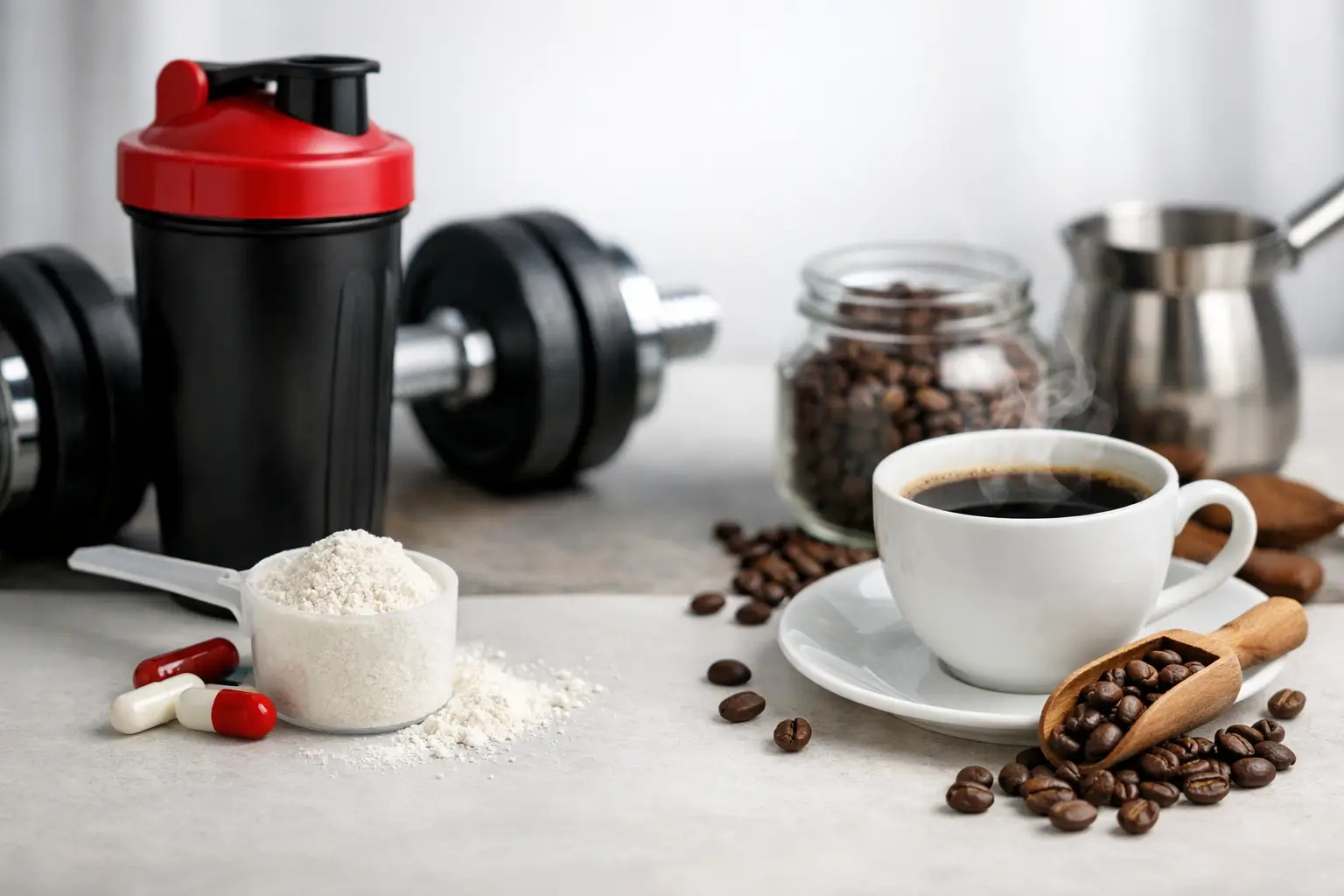
Your 6 a.m. workout does not care whether your caffeine came from a mug or a scoop. Your body does. The pre workout vs coffee decision can affect more than energy: it can change your focus, training output, stomach comfort, sleep, and even whether you look forward to training tomorrow.
Coffee is simple, familiar, and budget-friendly. Pre-workout formulas are built for a bigger training experience, often pairing caffeine with performance ingredients such as citrulline, beta-alanine, electrolytes, or creatine. Neither is automatically better. The smart choice is the one that matches your workout, caffeine tolerance, and schedule.
Pre Workout vs Coffee: The Core Difference
At the center of the debate is caffeine. A standard 8-ounce cup of brewed coffee commonly contains about 80 to 100 milligrams, though the actual amount varies widely by bean, roast, brewing method, and serving size. A large coffee shop drink can deliver far more than you expect.
Pre-workout supplements often provide a more predictable caffeine dose per serving, commonly ranging from 150 to 300 milligrams. Some stimulant-heavy formulas go beyond that range. They may also include ingredients intended to support blood flow, endurance, hydration, or mental drive.
That makes coffee a straightforward caffeine tool. Pre-workout is a targeted training formula. If you only need enough energy to get moving, coffee may do the job. If you are planning hard sets, demanding intervals, or a long training session where focus starts slipping, a well-chosen pre-workout may offer more than caffeine alone.
The catch is that more ingredients do not always mean more value. Your training, nutrition, and recovery create the foundation. A supplement can support that work, but it cannot replace sleep or turn an under-fueled body into a high-performance machine.
When Coffee Is the Better Workout Pick
Coffee earns its place in plenty of training routines. It is quick, affordable, and easy to tailor. Drink a smaller cup before an easy walk, a steady cardio session, mobility work, or a lighter strength day, and you can get a useful lift without turning your routine into a chemistry project.
It also works well for athletes who already know their caffeine sweet spot. If 100 to 150 milligrams helps you feel alert without jitters, there is no rule saying you need a multi-ingredient formula to train effectively. Black coffee is especially convenient for people training early who do not want extra calories, sweeteners, or a full meal before exercise.
Coffee can be the cleaner option if you are sensitive to common pre-workout ingredients. Some people dislike the tingling sensation from beta-alanine, while others find certain sweeteners or flavor systems hard on their stomach. Coffee is not always gentle either, especially on an empty stomach, but it is easier to identify and control what you are consuming.
Timing matters. Give coffee roughly 30 to 60 minutes before training so the caffeine has time to kick in. Pair it with a small carb source when your workout calls for real output. A banana, toast, or a small serving of oats can make a bigger difference for hard training than adding another cup.
When Pre-Workout Is Worth It
Pre-workout makes the most sense when your workout demands more focus and intention than a casual caffeine boost. Think heavy lower-body training, high-volume hypertrophy sessions, challenging conditioning, or days when you are juggling work, family, and a narrow window to train.
A quality formula can be useful because it places several common workout-support ingredients in one consistent serving. Citrulline is often included to support nitric oxide production and blood flow. Beta-alanine may support performance during repeated, high-intensity efforts. Electrolytes can be helpful if you train in the heat or sweat heavily. Creatine, when included at an effective daily amount, supports strength and power over time, not as an instant jolt.
The biggest advantage is convenience. Rather than measuring separate powders or guessing your caffeine amount from a coffee order, you know what you are taking before each session. That consistency helps when you are trying to identify what improves your training and what only adds noise.
Still, read the label instead of buying based on the loudest packaging. Look at the actual caffeine amount and whether key ingredients are transparently dosed. Be cautious with proprietary blends that list ingredients without telling you how much of each is included. A flashy tub is not automatically a better fit for your goals.
Choose Based on Your Training Goal
For fat-loss-focused workouts, either option can fit. Caffeine may improve alertness and make a tough session feel more manageable, but it is not a substitute for a calorie plan, protein intake, and a repeatable training schedule. Coffee can be a cost-effective choice for easy-to-moderate workouts. A pre-workout may be useful when you need to preserve strength training intensity while dieting.
For muscle gain, prioritize total food intake, protein, progressive overload, and recovery. Pre-workout can help you attack demanding sessions with more focus, particularly if you train after a long workday. Coffee can work just as well if caffeine is all you need. If your formula includes creatine, remember that daily consistency matters more than whether you take it immediately before lifting.
For cardio, your choice depends on the session. A moderate coffee dose is often enough for steady-state runs, rides, or treadmill walks. For hard intervals, long endurance sessions, or intense circuit work, a pre-workout with a known caffeine dose and electrolytes may be more practical. Hydration remains non-negotiable, especially in hot weather or home gyms without much airflow.
For evening training, less is usually more. Caffeine can stay active in your system for hours, so a late scoop with 300 milligrams may turn a productive workout into a restless night. Choose decaf coffee, a non-stim pre-workout, or a lower-caffeine option if sleep is on the line. Better sleep supports better body composition, recovery, and training performance.
Avoid the Common Energy Mistakes
The most common mistake is stacking caffeine without tracking it. Coffee at breakfast, an energy drink at lunch, and pre-workout after work can push your daily intake higher than intended. For most healthy adults, 400 milligrams of caffeine per day is commonly cited as an upper limit, but individual tolerance varies. Some people feel anxious, shaky, or wired well below that number.
Do not use pre-workout or coffee to cover up chronic exhaustion. If you need escalating doses just to complete normal training, look at sleep quality, meal timing, hydration, stress, and whether your program is demanding more recovery than you can provide.
It also pays to avoid a first-time pre-workout test before your hardest workout, competition, or long run. Start with a half serving when possible, assess your response, and do not mix it with other stimulant products. Anyone who is pregnant, nursing, managing a medical condition, taking medication, or concerned about heart-related symptoms should check with a qualified healthcare professional before using stimulant supplements.
Build an Energy Routine You Can Repeat
The best pre-training boost is the one you can use without wrecking your sleep, stomach, or budget. Start by deciding what you actually need. If you want simple alertness for a morning session, coffee may be your go-to. If you want a measured formula for high-output days, pre-workout can earn a place in your gym bag.
You do not have to choose one forever. Many lifters use coffee for regular training days and reserve pre-workout for heavy lifts, tough circuits, or days when motivation is low but the plan still matters. That approach can also keep your caffeine tolerance from climbing too fast.
FitwellGoods shoppers can make the decision easier by comparing pre-workout labels against their usual coffee habit, then building a routine around the equipment, nutrition, and recovery tools that support the bigger goal. Pick the option that helps you train with purpose today and still sleep well enough to show up stronger next session.